
International Shipping Cost Calculator
Calculate Your Shipping Costs
Cost Comparison
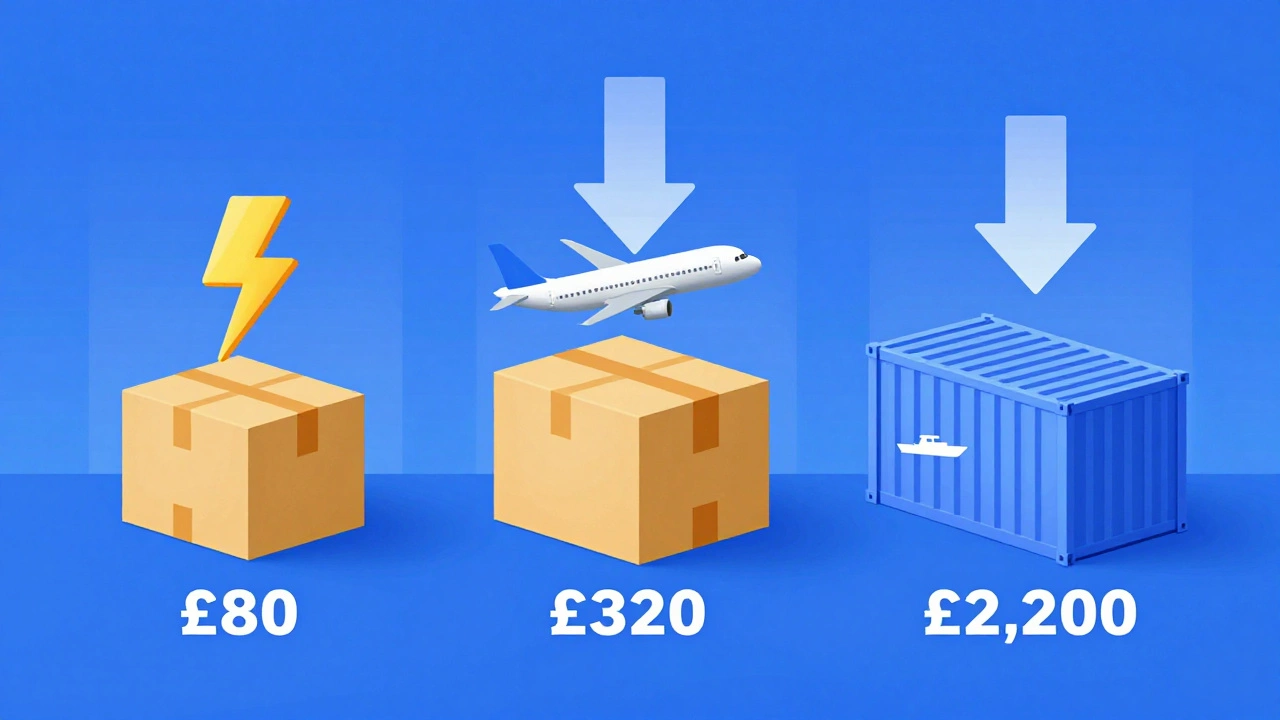
If you’re shipping goods overseas, you know how quickly costs add up. A single pallet to Australia can cost more than £500. A small parcel to Brazil? Try £80. And that’s before customs, taxes, or surprise fees. The good news? You don’t have to pay these prices. Many businesses slash their overseas shipping bills by 30-60% without sacrificing speed or reliability. Here’s how.
Choose the Right Shipping Method
Not all international shipping is created equal. You’ve got three main options: express couriers, air freight, and sea freight. Each has a different price tag and timeline.Express couriers like DHL, FedEx, or UPS are fast-3 to 7 days-but expensive. They charge by weight and volume, and add fuel surcharges, handling fees, and customs clearance costs on top. These work for urgent, low-weight items under 2kg. For anything heavier, you’re overpaying.
Air freight is cheaper than express for larger shipments (20kg-500kg). You’re not paying for door-to-door speed, just the flight. Transit time: 7-14 days. You’ll need to handle customs yourself or hire a local agent. This cuts out courier markups.
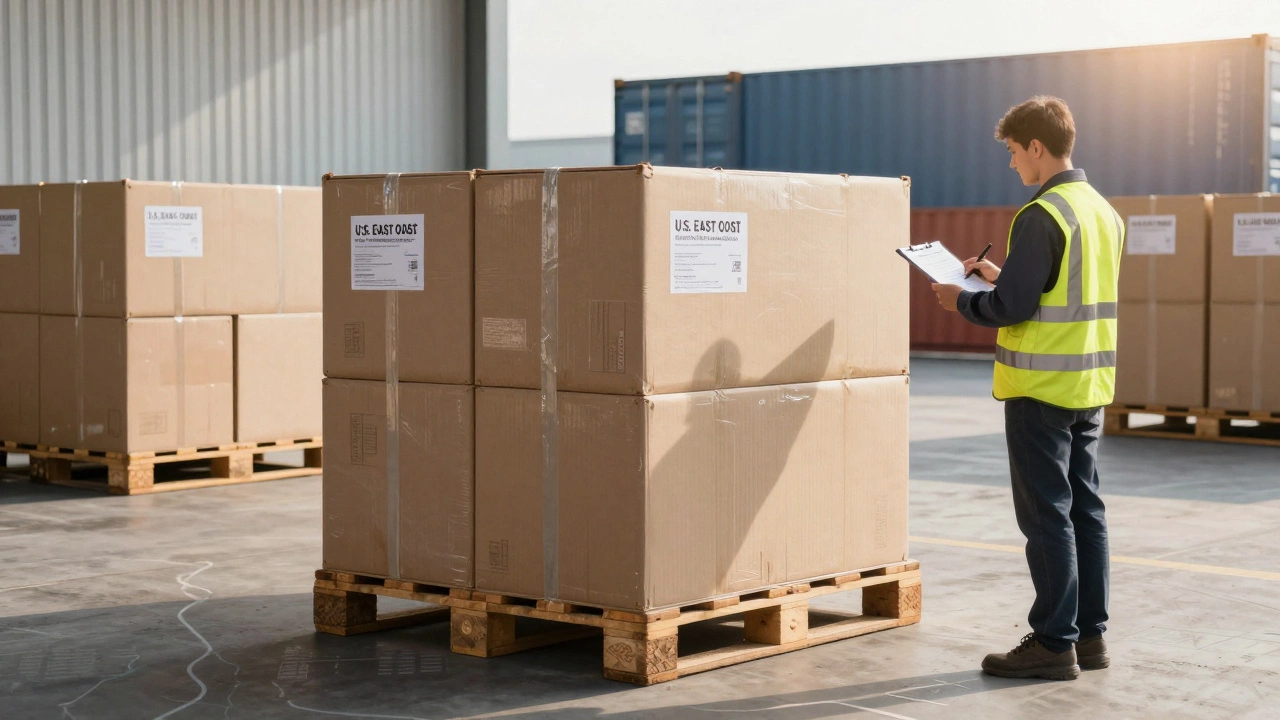
Sea freight is the cheapest by far. A 20-foot container to the U.S. East Coast costs around £2,200. That’s less than £110 per 100kg. For shipments over 500kg, sea freight is almost always the smart move. Transit time: 20-45 days. If you can wait, this is where the real savings happen.
Consolidate Shipments
Shipping three separate 10kg parcels to Germany? That’s three times the handling fees, three times the customs paperwork, and three times the fuel surcharges.Instead, combine them into one 30kg box. Many freight forwarders offer consolidation services-especially for small businesses. You ship all your items to a warehouse in Liverpool, they pack them together, and send one shipment overseas. You pay one base rate, not three. Some forwarders even offer weekly group shipments to popular routes like the U.S., EU, or Australia, cutting costs even further.
One UK-based Etsy seller reduced her monthly shipping bill from £1,200 to £480 by consolidating 15 small orders into three larger boxes each week. Her customers got their items in the same time frame, and she kept the savings.
Negotiate with Freight Forwarders
Most businesses think they have to accept the rates on a carrier’s website. That’s a myth. Freight forwarders expect negotiation, especially if you’re shipping regularly.Start by asking: “Can you give me a volume discount if I ship 10+ pallets a month?” Many will drop their rates by 15-30% just for that. Don’t be afraid to say, “I’m also talking to [Competitor Name]. Can you match or beat their quote?”
Forwarders like DHL Global Forwarding, Kuehne + Nagel, or even smaller local firms in Liverpool have pricing tiers. They don’t advertise them. You have to ask. Keep a spreadsheet of quotes. Track what each company charges per kg, per cubic meter, and for customs clearance. Use that data to push for better rates.
Optimize Packaging
Shipping costs aren’t just about weight. They’re also about volume. Carriers charge based on dimensional weight-also called volumetric weight. That’s the space your package takes up in a truck or plane, not just how heavy it is.Example: A box that’s 50cm x 50cm x 50cm weighs 3kg but has a dimensional weight of 21kg. You’ll be charged for 21kg, even if the contents are light.
Solution? Pack smarter. Use boxes that fit your product snugly. Remove excess air. Switch from bulky polybags to rigid, compact boxes. If you ship fragile items, use void fill instead of oversized packaging. Many businesses save 10-20% on shipping just by optimizing box sizes.
One UK electronics seller switched from 15cm x 15cm x 10cm boxes to 12cm x 12cm x 8cm for the same product. The dimensional weight dropped from 12kg to 7kg. Monthly savings: £370.
Use Duty and Tax Exemptions
You’re paying customs duties and VAT on every shipment? That’s not always necessary.Many countries have de minimis thresholds-values below which no duties or taxes are charged. For example:
- United States: $800 per shipment (no duty or tax)
- Canada: CAD $20 (no duty), CAD $40 (no GST/HST)
- Australia: AUD $1,000
- EU: €150 (VAT applies, but no customs duty)
If your shipment is under the limit, you can avoid big fees. That means splitting large orders into smaller ones-within legal limits. Don’t falsify invoices. But if you ship 10 items worth £85 each to the U.S., you’re under the $800 threshold. Ship them separately. You’ll save on duties, and your customers won’t face surprise charges on delivery.
Always declare accurate values. Under-declaring can lead to fines or seized goods. But staying just under the threshold? That’s legal and smart.
Ship During Off-Peak Seasons
Shipping costs spike during holidays. Black Friday, Christmas, Chinese New Year-these are peak times. Carriers raise rates. Space fills up. Delays happen.Plan ahead. If you can ship your holiday inventory in September or October, you’ll pay 20-40% less than if you wait until November. Same goes for back-to-school season or summer sales. Forwarders offer off-season discounts because they have spare capacity.
One UK fashion brand shifted its main overseas launch from October to August. They saved £4,200 on shipping for 1,200 units and still met their sales targets. Their customers got their orders faster, too, because there was less congestion at ports.
Work With a Local Customs Broker
When you ship internationally, customs clearance is a black box. Mess it up, and your goods sit in a port for weeks. Pay a broker to handle it.Many freight forwarders offer this as a service. But if you’re shipping regularly, hire a dedicated broker in the destination country. They know local rules, paperwork, and how to avoid delays. A good broker can cut your clearance time from 7 days to 2-and reduce unexpected fees.
For example, a Liverpool-based company shipping to Brazil was getting hit with £150 in “documentation fees” every time. A local broker in São Paulo found out the issue was a missing field on the commercial invoice. One fix, zero extra cost. They now save £1,800 a year just on clearance.

Track and Audit Every Shipment
You can’t reduce what you don’t measure. Keep a log of every international shipment: weight, dimensions, carrier, cost, transit time, and any extra fees.After 3 months, you’ll see patterns. Maybe DHL charges £25 more than FedEx for the same route. Or maybe your shipments to Japan always get hit with a £60 “fuel surcharge” that others don’t. Use this data to switch carriers or renegotiate.
Use free tools like ShipStation or Easyship to auto-track costs. Or just use a Google Sheet. The goal isn’t perfection-it’s awareness. Most businesses discover they’re overpaying by 25% or more just by looking at their records.
Consider Local Warehousing
If you ship the same products to the same countries month after month, storing stock locally makes sense.Set up a small warehouse in the EU, U.S., or Australia. Ship bulk quantities there once every 2-3 months via sea freight. Then, use local couriers for final delivery. You’re no longer paying international rates for each small order.
One UK home goods seller started storing 500 units in a warehouse in Poland. Shipping to Germany, France, and the Netherlands went from £12 per parcel to £3.50. Their delivery time dropped from 10 days to 2. Their customer satisfaction scores jumped. The warehouse cost £400/month. They broke even in 3 weeks.
Final Tip: Always Compare Before You Ship
Never assume your usual carrier is the cheapest. Even if you’ve used them for years, prices change. Use a comparison tool like Parcel Monkey, Freightos, or ShipBob. They show real-time quotes from multiple carriers. You can filter by price, speed, and service level.One small business in Manchester compared 5 quotes for a 15kg shipment to Canada. The cheapest was a lesser-known forwarder offering sea freight with a 21-day transit. It cost £48. The carrier they’d always used charged £112. That’s a 57% saving. They’ve used the new carrier ever since.
Reducing overseas shipping costs isn’t about cutting corners. It’s about working smarter. Choose the right method. Consolidate. Optimize packaging. Negotiate. Track your spend. And never ship without checking the alternatives. Do this, and you’ll cut your international shipping bill without hurting your customers-or your bottom line.