
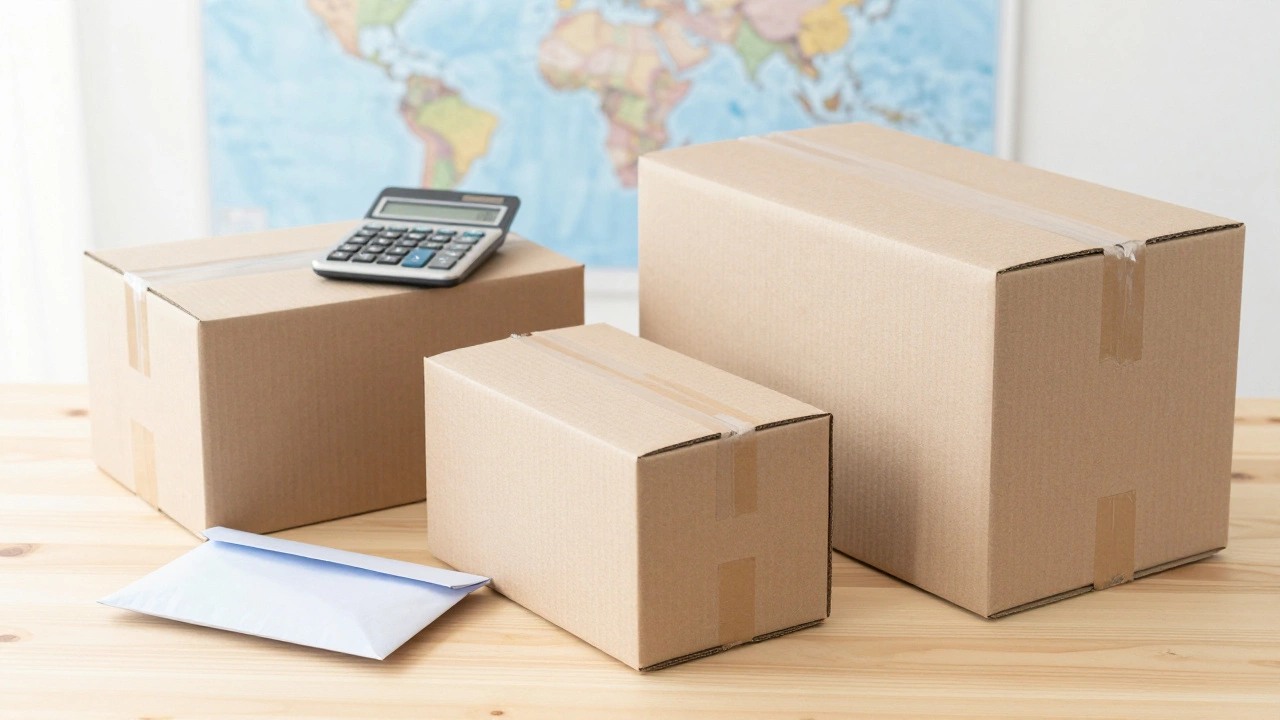
Quick Cost Guide for International Shipping
- Small, light items (under 2kg): Postal services like USPS or Royal Mail are usually the cheapest.
- Medium parcels (2kg - 10kg): Aggregators and discount brokers often beat direct carrier rates.
- Heavy shipments (10kg+): Freight forwarders or DHL's bulk rates provide the most value.
- Urgent deliveries: FedEx and UPS are pricier but offer predictable, fast timelines.
The Battle of the Giants: Courier Pros and Cons
When you look at the big names, you're choosing between speed, reliability, and price. FedEx is a global courier service known for its robust air network and precise tracking. While they aren't the cheapest for a small envelope, they dominate in reliability for business-critical documents. If you use their Economy options, you can save a significant chunk compared to their Priority services, but you'll still pay a premium for the brand trust.
UPS, or United Parcel Service, operates similarly. They are often more competitive than FedEx on ground shipping within North America and to Canada, but their international air rates can be steep. The real way to save with UPS is through a business account, which unlocks negotiated rates that aren't available to the casual sender.
Then there is DHL. In many parts of the world, especially Europe, Asia, and Africa, DHL is the gold standard. Because they own so much of the infrastructure in emerging markets, they can sometimes be cheaper than US-based carriers for deliveries to remote regions. Their "Express Worldwide" is fast, but for those watching their budget, their freight services for larger loads are where the real savings happen.
| Carrier | Best For | Price Point | Speed |
|---|---|---|---|
| Postal Services | Lightweight/Casual | Low | Slow to Medium |
| DHL | Global Reach/Business | Medium-High | Fast |
| FedEx | Urgency/Precision | High | Very Fast |
| UPS | North American Trade | Medium-High | Fast |
Why Your Local Post Office is Still the Budget King
If you aren't in a rush, your national postal service-like the USPS (United States Postal Service) or the Royal Mail in the UK-is almost always the cheapest international shipping option for small parcels. This is because they utilize the Universal Postal Union, a global network that allows different countries' postal systems to hand off packages to one another.
For example, if you send a 500g parcel from London to Madrid via Royal Mail, it's far cheaper than using a courier. The trade-off? You lose granular tracking. Once a package leaves your country and enters the destination country's postal system, the tracking often becomes vague or stops entirely until the item is delivered. You're trading visibility for a lower price tag. If you're sending a t-shirt to a friend, this is a fine trade. If you're sending a high-value electronic device, it's a risky move.

The Secret Weapon: Shipping Aggregators
Most people book shipping by going directly to the carrier's website. That's actually the most expensive way to do it. Shipping aggregators are platforms that buy shipping labels in massive bulk and sell them to you at a discount. Think of it like a group-buying club for postage.
Platforms like Pirate Ship or ShipStation allow you to compare rates across multiple carriers on a single screen. By using these, you can often find "Commercial Plus" pricing, which is the discounted rate usually reserved for companies shipping thousands of packages a month. For a small business owner, this can reduce costs by 20% to 40% instantly. Instead of guessing which carrier is cheaper, you enter your weight and destination, and the software gives you a sorted list from cheapest to most expensive.
Hidden Costs That Kill Your Budget
The number you see on the checkout screen isn't always what you actually pay. To find the truly cheapest option, you have to look at the "invisible" fees. The biggest one is Customs Duties. These are taxes imposed by the destination country's government. If you choose a cheap carrier that doesn't handle customs well, your customer might get a surprise bill for $50 before they can collect their package. This doesn't make the shipping more expensive for you, but it ruins the customer experience.
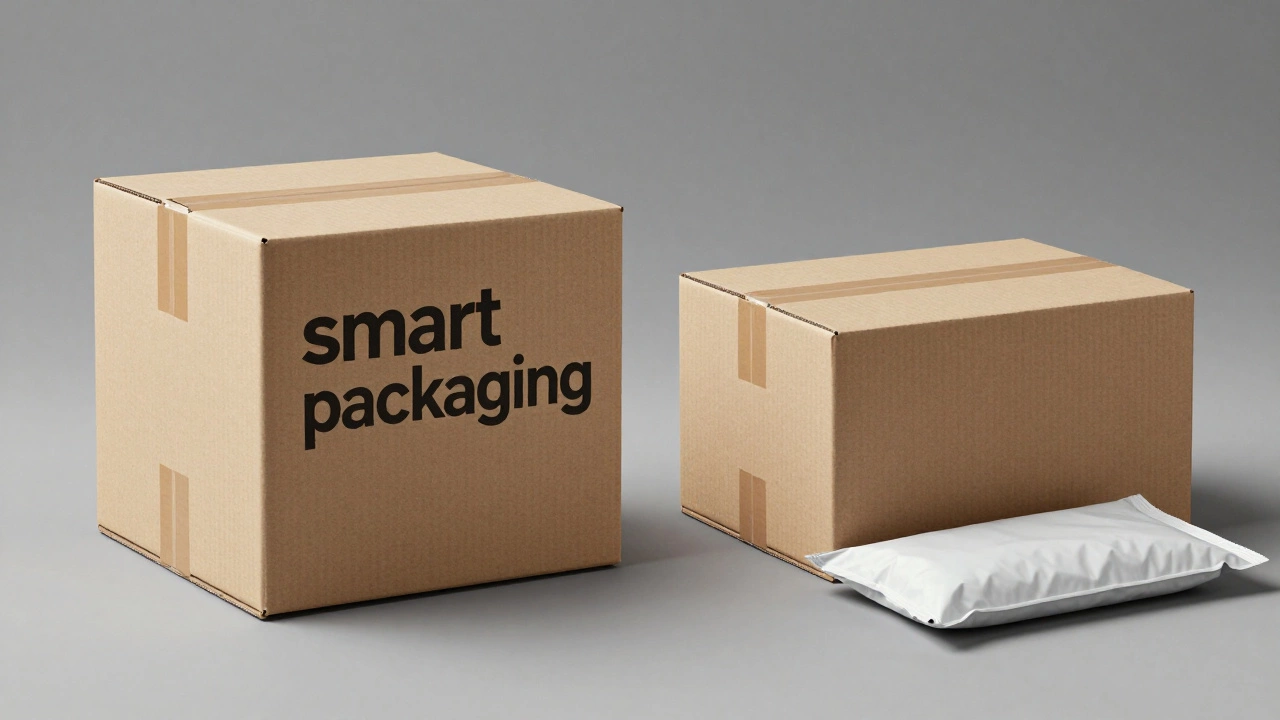
Then there are dimensional weight charges. Carriers don't just look at how much a box weighs on a scale; they look at how much space it takes up in the plane. If you put a small, light item in a huge box, you'll be charged for the volume of the box, not the weight of the item. This is called Dimensional Weight (DIM Weight). To keep costs low, use the smallest box possible. Even an inch of extra foam or cardboard can push your package into a higher price bracket.
Choosing the Right Strategy Based on Your Goal
How you choose your carrier depends on what you're trying to achieve. Let's look at three common scenarios:
Scenario A: The Casual Sender. You're sending a few photos and a gift to family overseas. You don't need it there tomorrow, and you aren't worried about millisecond-accurate tracking. The Play: Go to your local post office. Use a standard international flat rate envelope. It's the least amount of friction and the lowest cost.
Scenario B: The E-commerce Side-Hustle. You sell handmade jewelry on Etsy and ship globally. You need to keep costs low to remain competitive, but you need the customer to know where their package is. The Play: Use a shipping aggregator. Compare DHL eCommerce (which is a hybrid of courier speed and postal cost) against UPS. Always use the smallest packaging possible to avoid DIM weight penalties.
Scenario C: The High-Value Business Shipment. You're sending a prototype or a legal contract that must arrive by Tuesday. The Play: Forget the "cheapest" options. Go with FedEx or DHL Express. The cost of the shipment is negligible compared to the cost of the shipment arriving late or getting lost in a foreign postal system.
Is DHL cheaper than FedEx for international shipping?
It depends on the destination. DHL often has a stronger presence and better rates in Europe, Asia, and Africa because they own more of the local infrastructure. FedEx is often more competitive for shipments within the Americas. For the best price, it is always better to use a comparison tool rather than assuming one is always cheaper.
What is the absolute cheapest way to send a small package abroad?
The cheapest method is almost always your national postal service (like USPS or Royal Mail) using their standard or economy international mail options. These services are slower and have limited tracking, but they avoid the high overhead costs of private couriers.
What is dimensional weight and how does it affect the price?
Dimensional weight is a calculation based on the volume of a package (Length x Width x Height) divided by a shipping factor. Carriers charge you for whichever is greater: the actual weight or the dimensional weight. This prevents people from sending large, lightweight boxes that take up too much room in a plane or truck.
Do shipping aggregators actually save money?
Yes, significantly. Aggregators use their massive volume of shipments to negotiate deep discounts with carriers. They pass these savings on to the user. You can often get commercial rates even if you only ship one package a month, which is impossible if you walk into a retail store.
How do customs and duties impact the final cost?
While customs duties aren't part of the shipping fee, they are part of the total cost of delivery. Depending on the destination country, the receiver may have to pay import taxes (VAT or GST). If you choose "DDP" (Delivered Duty Paid), you pay these upfront; if you choose "DDU" (Delivered Duty Unpaid), the customer pays upon arrival.
Next Steps for Lowering Your Shipping Bill
If you're looking to cut costs today, start by auditing your packaging. Stop using oversized boxes and fill them with air bubbles; instead, switch to poly mailers for non-fragile items. Then, sign up for a free account with a shipping aggregator to see how your current rates compare to commercial discounts. If you're shipping to a specific country frequently, look for specialized "zone" carriers that only operate in that region, as they often undercut the global giants.