
Logistics System Health Checker
Evaluate Your Logistics Health
Rate each core logistics activity on a scale of 1-10 to see how well your system is balanced. Your scores will be combined into a single health score.
Your Logistics Health Score
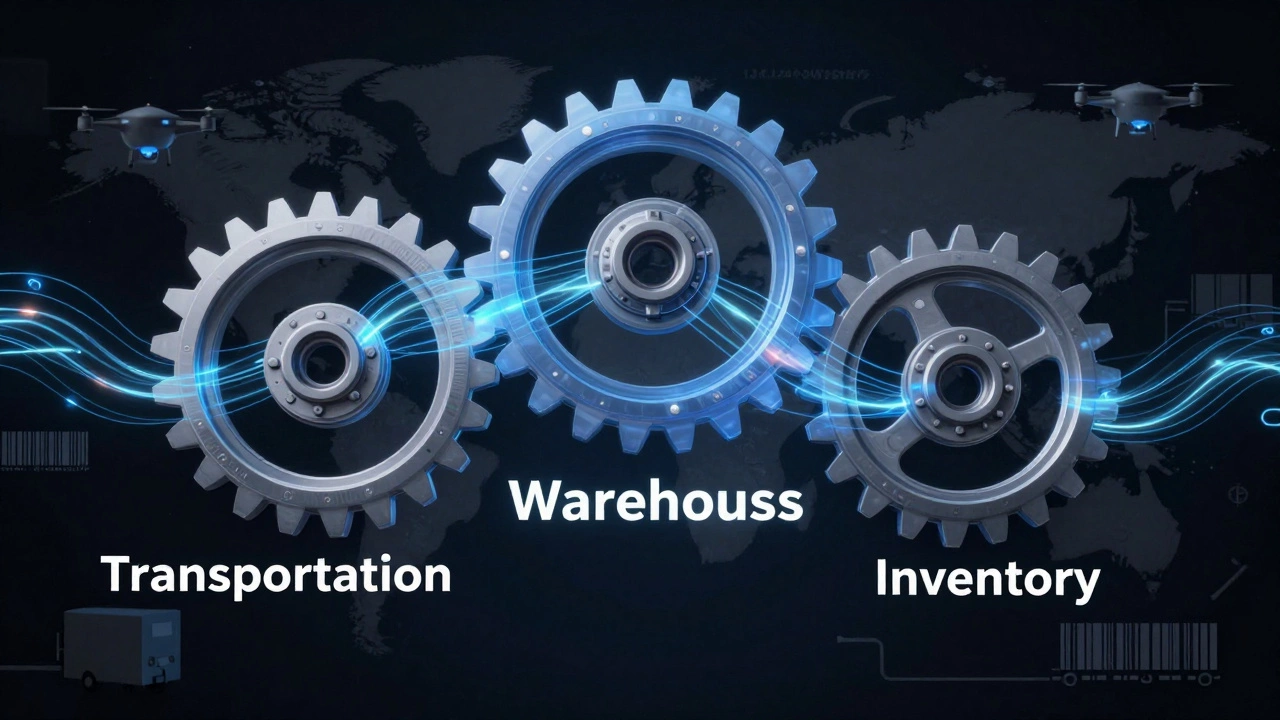
When you order something online and it shows up at your door in two days, that’s not magic. It’s logistics. But most people think logistics is just about delivery trucks. The truth is, logistics systems are complex machines made up of three core activities that work together like gears in a clock. If one gear stalls, the whole system slows down. These aren’t just buzzwords - they’re the backbone of every package, every warehouse, every shipment moving across the globe.
Transportation Management
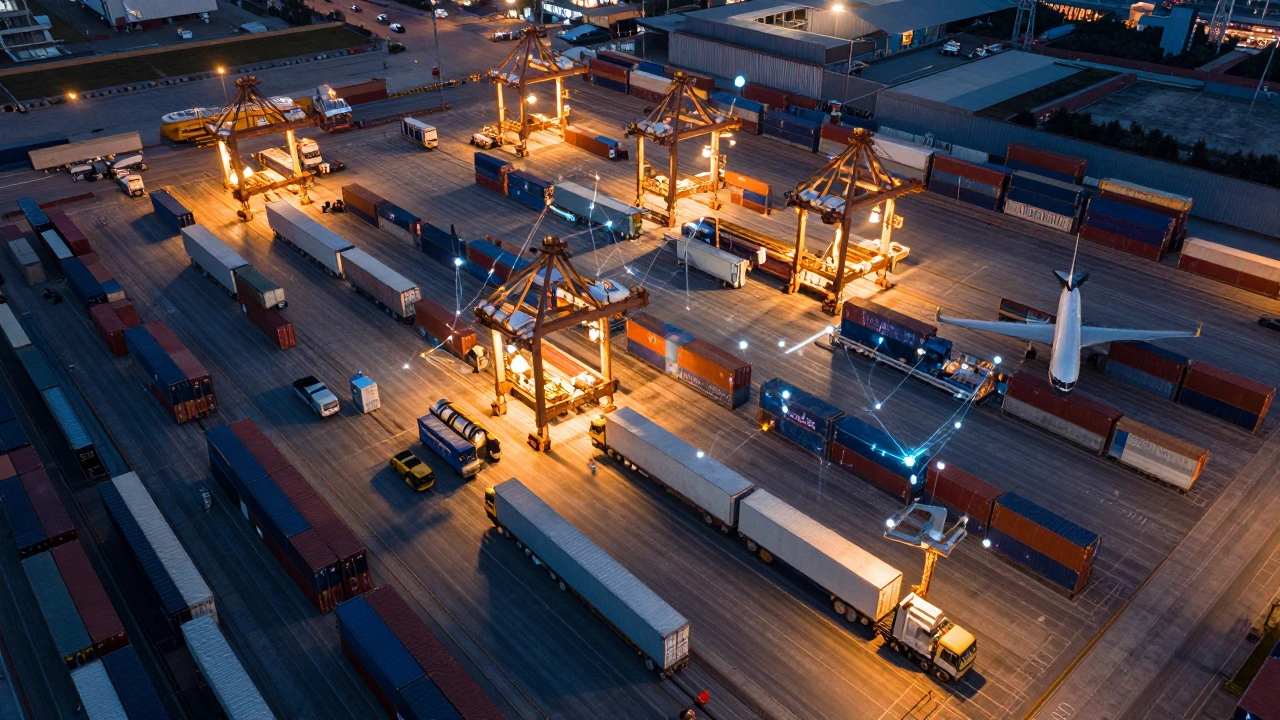
This is what most people picture when they hear "logistics" - trucks, ships, planes, and trains moving goods from point A to point B. But transportation management is far more than routing. It’s about choosing the right mode, timing, and carrier for each shipment based on cost, speed, and risk. A high-value electronics shipment might fly via air freight to avoid delays, while bulk furniture might ship by ocean to cut costs. Modern logistics software tracks every vehicle in real time, predicts delays using weather and traffic data, and automatically reroutes shipments when something goes wrong. Companies like DHL and FedEx don’t just move boxes - they run networks that process millions of decisions every day. Without smart transportation management, inventory sits idle, customers get angry, and businesses lose money.
Warehouse Operations
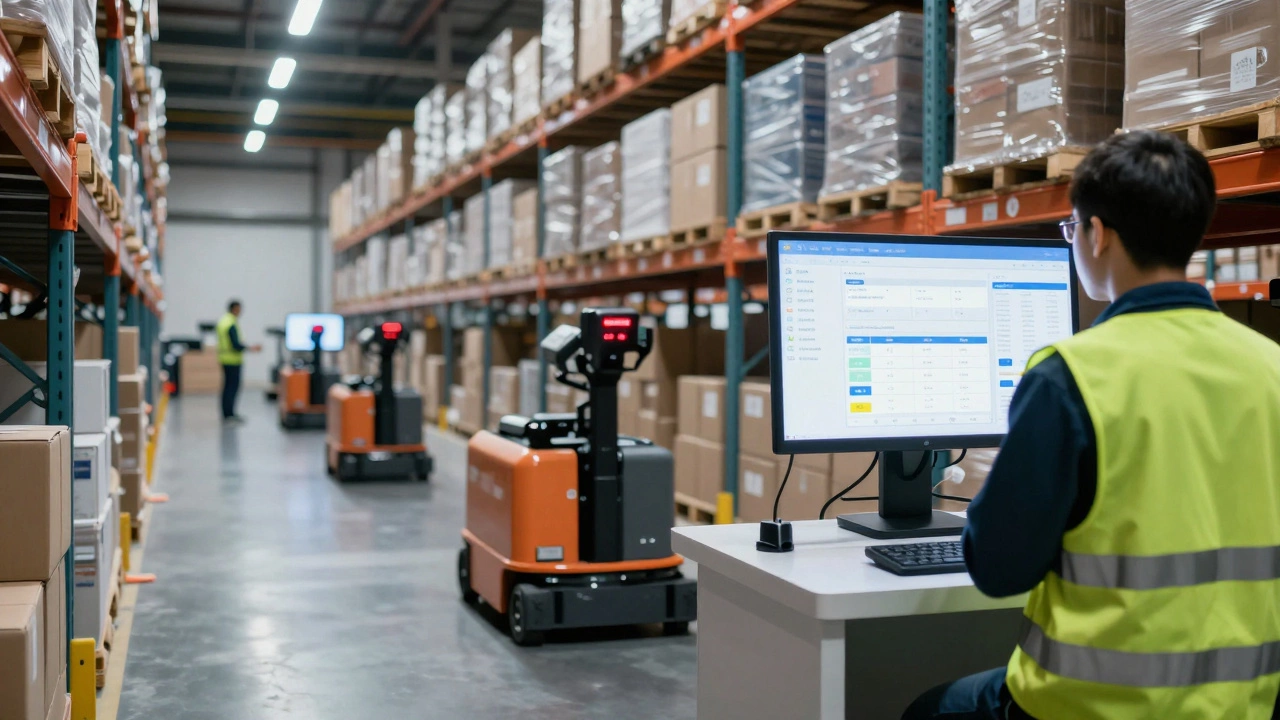
Before anything gets shipped, it has to be stored. And storage isn’t just putting boxes on shelves. Warehouse operations include receiving goods, inspecting them, organizing them for fast retrieval, packing orders, and preparing them for outbound transport. Think of a warehouse as a puzzle. If items are stored randomly, workers waste hours searching for a single product. But with barcode scanners, automated storage systems, and warehouse management software (WMS), every item has a precise digital location. In modern fulfillment centers, robots move shelves to workers instead of the other way around. This cuts picking time from 15 minutes per order to under 2 minutes. The best warehouses don’t just store inventory - they turn it into a responsive, on-demand asset. Without efficient warehouse operations, even the fastest delivery service can’t deliver on time.
Inventory Control
Here’s the silent killer of logistics: too much stock or too little. Holding excess inventory ties up cash, eats up warehouse space, and risks products becoming obsolete or damaged. Running out of stock means lost sales and angry customers. Inventory control is the balancing act between these two extremes. It uses data from sales trends, lead times, supplier reliability, and even seasonal demand to predict exactly how much to order and when. Advanced logistics systems integrate with point-of-sale data and supplier portals to trigger automatic reorders before stock runs low. For example, a retailer selling winter coats in the UK will use historical sales data from the past five years to forecast demand for November. If a sudden cold snap hits, the system adjusts orders in real time. This isn’t guesswork - it’s predictive analytics powered by logistics software. Without precise inventory control, logistics becomes a game of chance instead of a science.
How These Three Activities Connect
These three activities don’t work in isolation. They’re linked by data. Transportation management needs to know what’s in the warehouse to plan shipments. Warehouse operations need inventory data to know what to pick and pack. Inventory control depends on real-time tracking from both transportation and warehouse systems. When these systems talk to each other - through integrated logistics software - you get a responsive, self-correcting network. A delay in shipping? The system automatically adjusts inventory forecasts and notifies customers. A warehouse worker picks the wrong item? The system flags the error and updates stock levels instantly. This integration is what separates companies that just move goods from those that build reliable, customer-focused supply chains.
Why Logistics Software Makes the Difference
Manual spreadsheets and paper logs can’t handle the speed and precision modern logistics demands. That’s why logistics software isn’t a luxury - it’s the central nervous system. Tools like SAP Integrated Logistics, Oracle Warehouse Management, and even cloud-based platforms like ShipBob or Flexe connect transportation, warehousing, and inventory into one dashboard. They give you visibility into every step: where your goods are, how long they’ve been there, what’s coming next, and what might go wrong. Smaller businesses used to rely on third-party logistics providers just to access these tools. Now, affordable SaaS platforms let even single-location retailers run enterprise-grade logistics. The result? Faster deliveries, lower costs, fewer errors, and happier customers.
What Happens When One Activity Fails
Imagine a warehouse with perfect inventory tracking but no transportation plan. Orders pile up, and customers wait weeks. Or picture a delivery network that’s lightning-fast, but the warehouse is a mess - orders get mixed up, and returns skyrocket. Or consider a company that orders too much stock because inventory data is outdated - now they’re stuck with $200,000 in unsold winter gear in April. Each activity depends on the others. A failure in one doesn’t just cause a delay - it creates a chain reaction that damages customer trust and eats into profits. That’s why successful logistics isn’t about doing one thing well. It’s about making all three work together.
Real-World Example: How a UK Online Retailer Fixed Its Logistics
A Liverpool-based home goods store was losing 12% of its monthly sales to late deliveries and wrong orders. They had three separate systems: one for inventory, one for shipping labels, and one for order entry. No communication between them. After switching to an integrated logistics platform, they automated inventory updates from sales, optimized warehouse pick paths using AI, and partnered with local couriers for same-day delivery in the North West. Within six months, delivery errors dropped by 89%, customer complaints fell by 76%, and their return rate shrank by 31%. The fix wasn’t hiring more staff. It was aligning the three core activities.
| Activity | Primary Goal | Key Tools Used | Common Failure Point |
|---|---|---|---|
| Transportation Management | Move goods efficiently and on time | TMS, GPS tracking, route optimization software | Delays due to poor carrier selection or traffic |
| Warehouse Operations | Store and retrieve goods quickly and accurately | WMS, barcode scanners, automated guided vehicles | Misplaced items or slow picking times |
| Inventory Control | Maintain optimal stock levels | Forecasting tools, demand planning software, ERP integration | Overstocking or stockouts due to poor data |
What’s Next for Logistics Systems
The future isn’t just faster delivery. It’s smarter logistics. AI is now predicting demand down to the zip code. Drones and autonomous vehicles are testing in controlled zones. Blockchain is being used to verify shipments without paper trails. But none of this matters if the three core activities aren’t solid. No matter how fancy the tech gets, logistics still comes down to moving the right thing, to the right place, at the right time - and knowing exactly how much you have in between. The companies that win will be the ones who keep those three activities tightly connected.
Are the three main activities of logistics systems the same for all industries?
Yes, the core activities - transportation, warehouse operations, and inventory control - apply to every industry that moves physical goods. Whether you’re shipping pharmaceuticals, groceries, or heavy machinery, these three functions are universal. What changes is how they’re executed. A hospital’s logistics system prioritizes temperature control and traceability, while a retail warehouse focuses on speed and volume. The framework stays the same; the execution adapts to the product and customer needs.
Can small businesses handle these three activities without expensive software?
They can, but it’s risky. Many small businesses start with spreadsheets and manual tracking. But as order volume grows, errors multiply. A single misplaced item or delayed shipment can cost more than the price of monthly logistics software. Affordable platforms like Sortly, Zoho Inventory, or ShipStation offer basic versions under £30/month. For a small business, that’s cheaper than paying one employee to fix mistakes every week. The real question isn’t whether you can afford software - it’s whether you can afford not to use it.
How do weather and global events affect these three activities?
Weather and global disruptions hit all three areas hard. A storm can delay a ship, causing inventory shortages. A port strike can clog transportation routes. A political crisis can halt raw material shipments, forcing warehouses to scramble for alternatives. Smart logistics systems use real-time data feeds to anticipate these events. For example, if a hurricane is predicted in the Gulf of Mexico, the system might reroute shipments from Houston to Savannah before the storm hits. It doesn’t prevent the disruption - but it minimizes the damage.
Is inventory control really that important if I have plenty of warehouse space?
Space is cheap. Cash is not. Holding too much inventory ties up money that could be used to pay staff, invest in marketing, or upgrade equipment. It also increases risk: products expire, become outdated, or get damaged. A warehouse full of unsold winter coats in June isn’t storage - it’s a financial drain. Inventory control isn’t about minimizing space. It’s about optimizing cash flow and reducing waste. Even with lots of room, overstocking is one of the most common reasons small logistics operations fail.
What’s the biggest mistake companies make when setting up logistics systems?
They treat transportation, warehousing, and inventory as separate projects. Many companies buy a new trucking system, then a warehouse management tool, then an inventory app - and expect them to work together. They don’t. Without integration, data gets stuck in silos. Orders get lost. Stock counts become wrong. The result? More manual work, more errors, and more frustration. The best approach is to start with a single platform that connects all three. If you’re building from scratch, choose software designed to handle all three activities together from day one.