Courier Package Cost & Type Estimator
Enter your package details to estimate shipping costs and determine the appropriate courier service level.
Your package is light but bulky. Couriers charge by dimensional weight (Volume/5000) because it takes up more space than its actual weight suggests.
You’ve probably seen the term "courier package" pop up in your tracking notifications or on a shipping label. But have you ever stopped to wonder what actually separates a standard postal letter from a courier package? It’s not just about size. The distinction lies in speed, handling, and the level of service you’re paying for. If you’re an online seller trying to choose the right shipping method, or a buyer confused by why your parcel took two days instead of twenty, understanding this concept saves you money and stress.
| Feature | Courier Package | Standard Postal Mail |
|---|---|---|
| Speed | Same-day to 2-3 days | 3-10+ business days |
| Tracking | Real-time, granular updates | Milestone-based (scanned at key points) |
| Handling | Individual care, signature required | Bulk sorting, left in mailbox |
| Cost | Premium pricing based on weight/volume | Flat rate or low incremental cost |
The Core Definition: More Than Just a Box
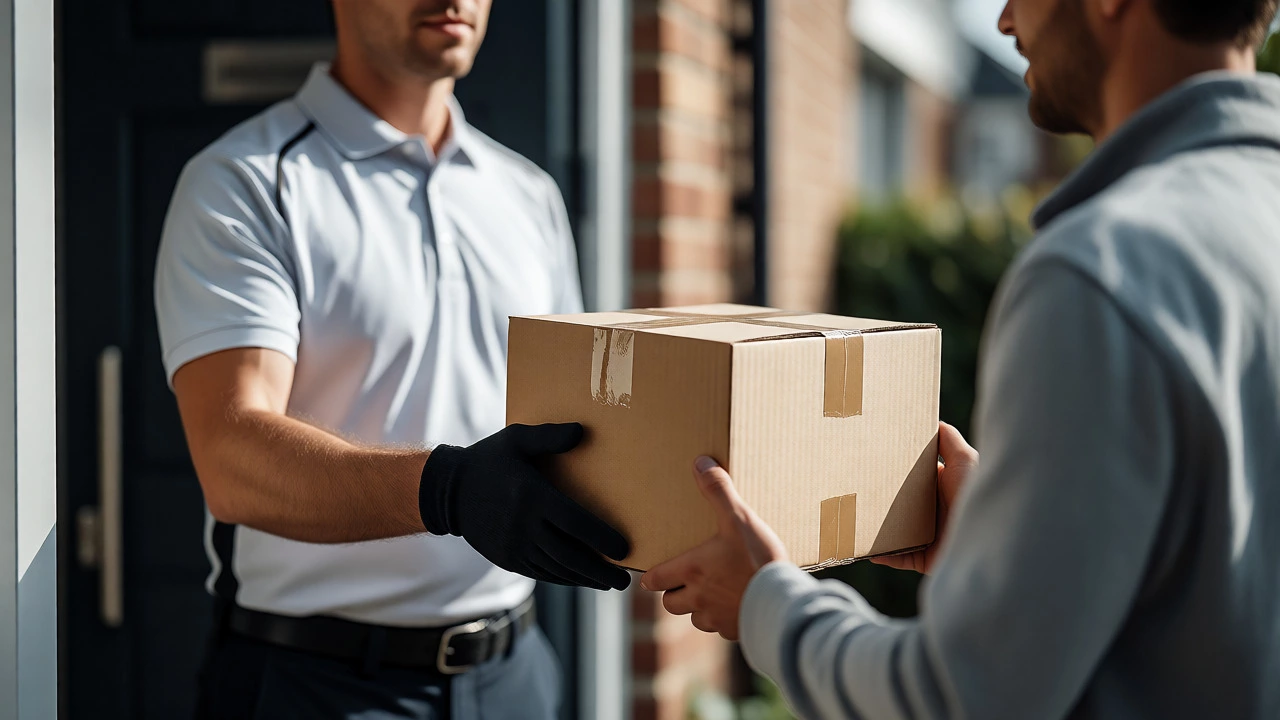
At its simplest, a courier package is a physical item transported by a private logistics company that offers expedited, tracked, and secure delivery services distinct from national postal systems. Unlike sending a letter through the Royal Mail or USPS, which often relies on shared infrastructure and batch processing, courier services operate their own dedicated networks. This means they control every step from pickup to drop-off.
Think of it like taking a taxi versus riding the bus. The bus (postal service) follows a fixed route, stops frequently, and shares space with everyone else. A taxi (courier) goes directly where you need it to go, often faster, but you pay for that exclusivity. When you ship a courier package, you are buying certainty. You know exactly when it will arrive, who handled it, and where it is at any given moment.
How Courier Packages Differ from Standard Parcels
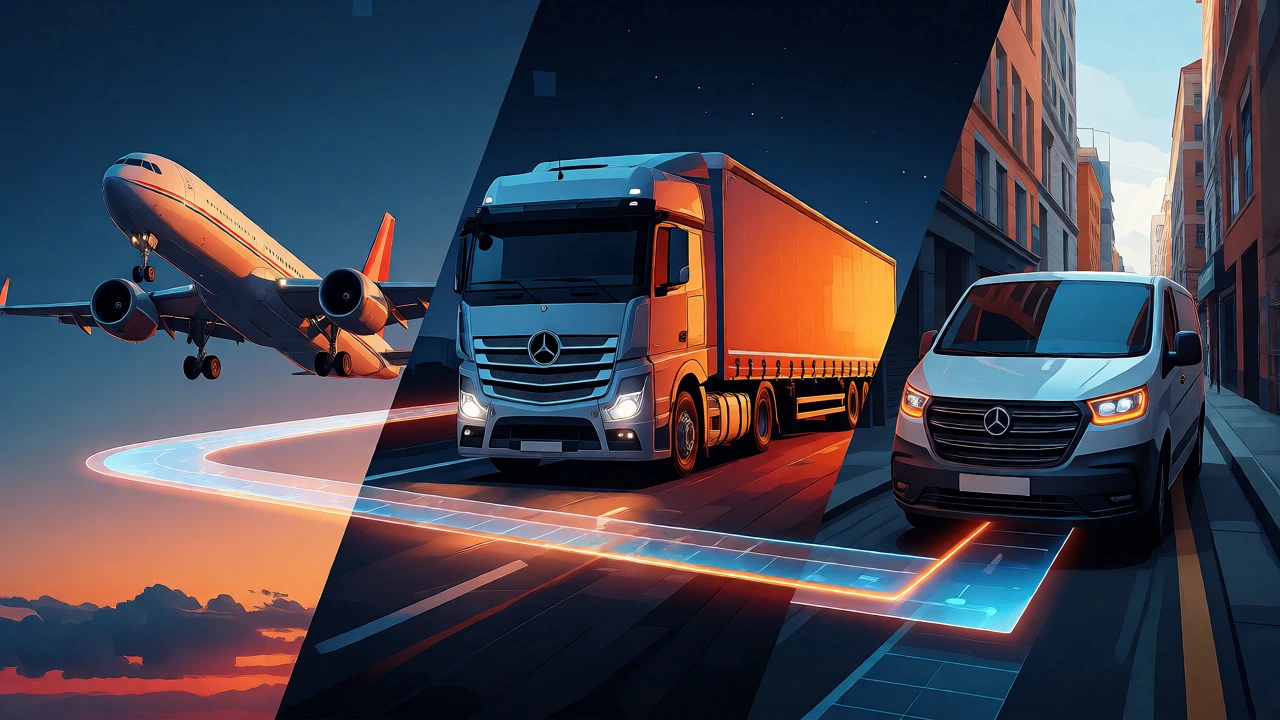
People often use "parcel" and "package" interchangeably, but in the logistics world, context matters. A standard parcel might travel via ground transport in a large truck mixed with hundreds of other boxes. A courier package usually travels in smaller vehicles, vans, or even motorbikes in urban areas, allowing for last-mile agility.
The biggest differentiator is the chain of custody. With a national postal service, your item might pass through multiple regional hubs over several days. Scans happen, but gaps can occur. With a courier, the handover is strictly logged. If you’re shipping something valuable, like electronics or legal documents, this accountability is crucial. Companies like DHL or FedEx build their brand reputation on this reliability. They aren’t just moving boxes; they are managing risk.
Another factor is customization. Postal services generally offer one-size-fits-all solutions. Couriers allow you to pick specific time windows, request signature confirmation, or even arrange for same-day delivery within city limits. This flexibility makes them indispensable for businesses that need to meet tight customer expectations.
Types of Courier Packages You’ll Encounter
Not all courier packages look the same. Depending on what you’re shipping and how fast you need it there, you’ll likely encounter these main categories:
- Express Envelopes: These are lightweight documents or small items shipped via air freight. They’re ideal for contracts, passports, or blueprints that need to cross countries overnight.
- Small Parcels: Typically under 5kg, these fit into standard courier vans. Most e-commerce orders fall here. Think phone cases, clothing, or cosmetics.
- Heavy Freight: Once you exceed certain weight thresholds (often around 20-30kg), the item moves from standard courier networks to palletized freight. This requires lift-gate trucks and sometimes pallet jacks for unloading.
- Temperature-Controlled Units: For pharmaceuticals or fresh food, these packages ride in insulated containers with active cooling. This is common in medical supply chains.
Choosing the wrong type can lead to delays. If you try to send a heavy box via an express envelope service, it will be rejected or surcharged. Always check the volumetric weight-couriers charge based on whichever is higher: actual weight or dimensional weight. A big, light pillow costs more to ship than a dense brick because it takes up valuable van space.
The Journey: From Pickup to Doorstep
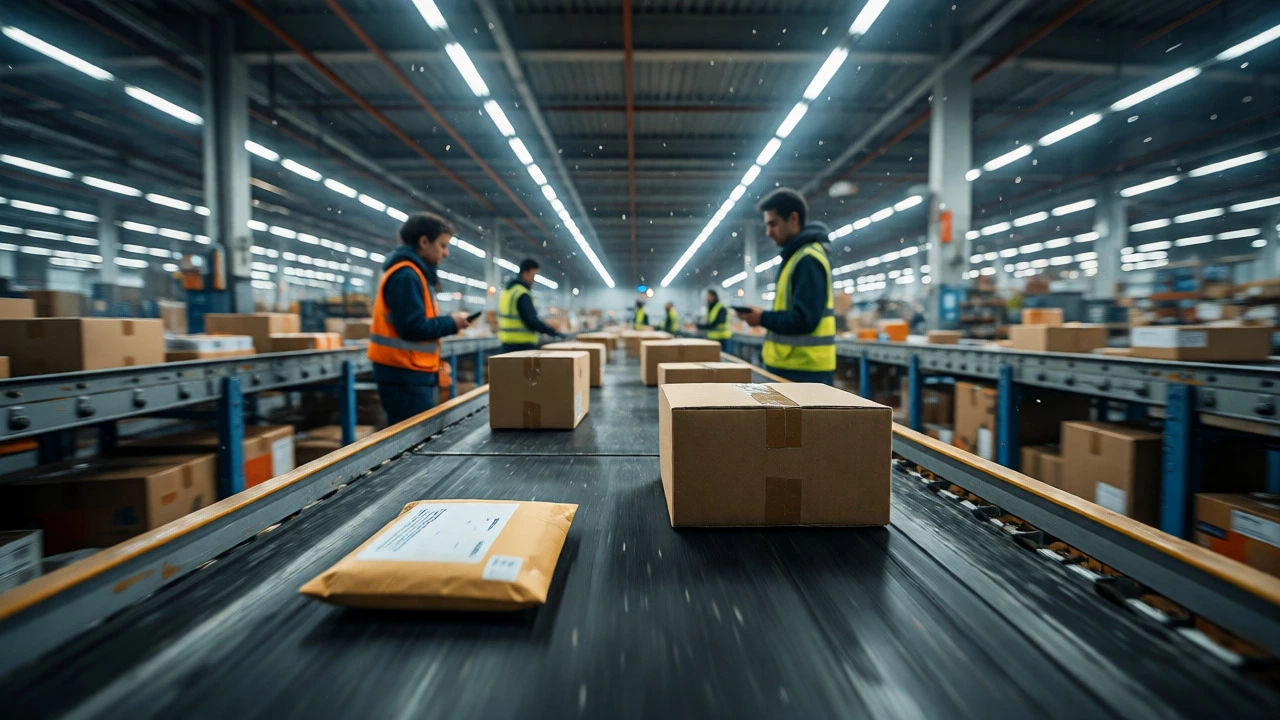
Understanding the lifecycle helps you troubleshoot issues. Here’s the typical path a courier package takes:
- Booking and Label Generation: You create a shipment online. The system calculates rates based on destination and dimensions.
- Pickup: A driver collects the item. This scan marks the start of the official transit clock.
- Local Hub Sorting: The package goes to a nearby depot. It’s scanned again, confirming it’s entered the network.
- Line-Haul Transport: For long distances, it moves via plane or intercity truck. This is the fastest leg.
- Destination Hub Processing: Upon arrival in the recipient’s region, it’s sorted onto a local delivery van.
- Last-Mile Delivery: The final driver delivers it. A proof-of-delivery photo or signature completes the loop.
If a package gets stuck, it’s usually at one of these handoff points. Knowing this helps you ask better questions when contacting support. Instead of saying "it’s late," you can say, "It hasn’t updated since arriving at the London hub yesterday." That specificity speeds up resolution.
Why Businesses Prefer Courier Services
For retailers, the choice between postal and courier isn’t just about cost-it’s about customer retention. Studies suggest that delayed deliveries significantly increase return rates. If a customer expects a product for a birthday party next week and it arrives after the event, they won’t just be annoyed; they’ll likely shop elsewhere next time.
Couriers offer integration with e-commerce platforms. Tools like Shopify or WooCommerce connect directly to APIs from carriers like UPS. This automates label printing and tracking emails. Without this automation, small business owners spend hours manually updating customers. The efficiency gain alone often justifies the higher shipping fees.
Moreover, international trade relies heavily on couriers. Customs clearance is complex. Major couriers have dedicated teams to handle paperwork, reducing the chance of your package getting held at borders. Postal services often lack this proactive customs support, leaving recipients to deal with unexpected duties and delays.
Common Pitfalls and How to Avoid Them
Even experienced shippers make mistakes. Here are the most frequent issues with courier packages:
- Under-declaring Value: Lying about the contents’ worth to save on insurance can backfire. If the package is lost, you’ll only get reimbursed for the declared amount.
- Poor Packaging: Couriers toss boxes. If your item breaks because you didn’t use enough bubble wrap, the carrier isn’t liable. Use sturdy boxes and fill voids.
- Inaccurate Addresses: One missing apartment number can cause a failed delivery. Double-check details before printing labels.
- Ignoring Cut-off Times: Booking a next-day service at 4 PM might mean it doesn’t leave until the next morning. Always book early in the day.
Insurance is another area people overlook. Basic coverage is minimal. If you’re shipping a £500 laptop, buy additional cover. It’s a few pounds well spent compared to losing thousands.
Frequently Asked Questions
Is a courier package the same as a parcel?
While often used interchangeably, they differ in service level. A parcel refers to the physical object itself, regardless of how it's shipped. A courier package implies the item is being moved via a private, expedited, and tracked logistics network, rather than a public postal system. All courier shipments are parcels, but not all parcels are sent via courier.
How much does it cost to send a courier package?
Costs vary widely based on weight, dimensions, distance, and speed. Domestic next-day delivery might cost £10-£20, while international express could range from £30 to £60+. Volumetric weight (size) often impacts price more than actual weight for bulky, light items.
Do I need to print my own label?
Most modern courier services require you to generate and print a label at home using a standard printer. Some offer QR code options where the driver prints the label upon pickup, but this is less common and may incur extra fees.
What happens if the recipient isn't home?
Courier drivers typically attempt delivery once. If no one answers, they leave a card and take the package to a local depot for collection. Some services allow you to reschedule delivery online or authorize a safe place drop-off (like behind a bin) in advance.
Can I track a courier package in real-time?
Yes, real-time tracking is a hallmark of courier services. You receive updates at each scan point (pickup, hub, out-for-delivery). While not always live GPS location, the status changes provide high visibility into the package's progress.