
UPS Freight Class & Density Calculator
Shipment Details
Enter your total shipment weight and outer dimensions (including wrapping) to calculate density.
Results
Enter your shipment details to see your estimated Freight Class and density.
Calculated Density
Estimated Freight Class
Class 50- Denser items generally have lower classes (cheaper).
- This is an estimate based on density alone.
- Handling, stowability, and liability can adjust the final class.
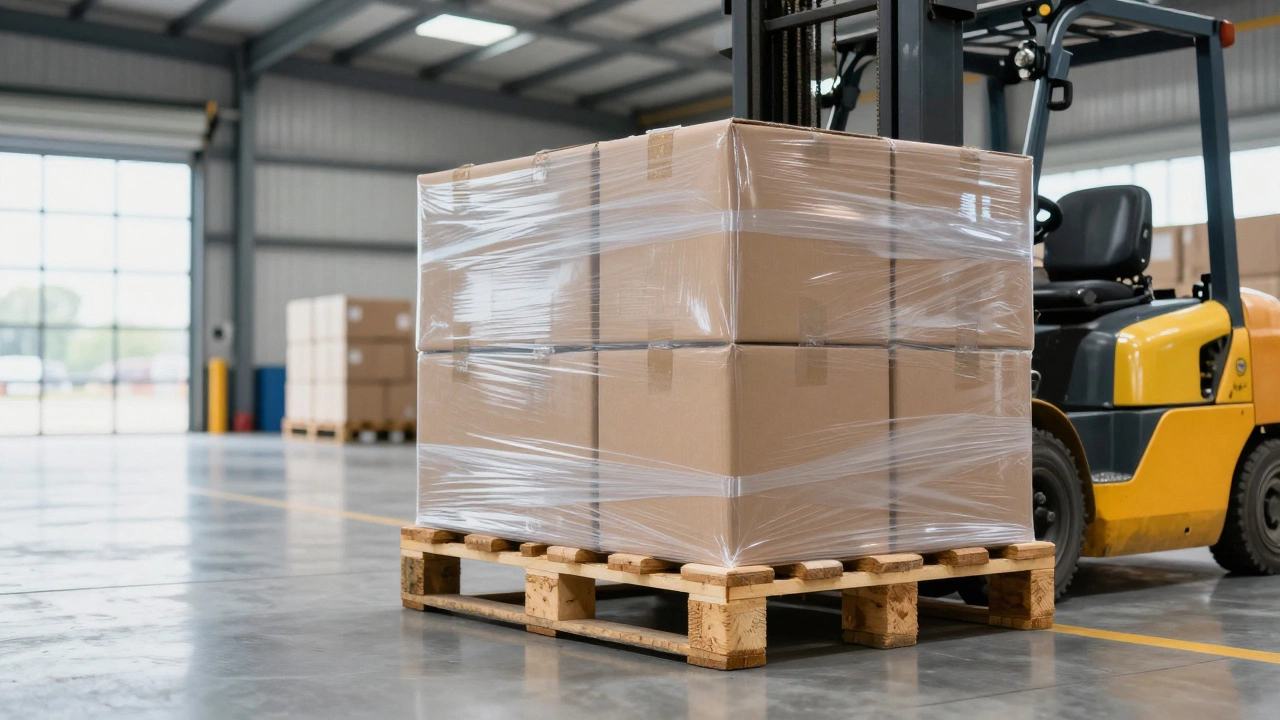
Picture this: you have a stack of heavy boxes wrapped in plastic, sitting on a wooden platform. You need them moved across the country. Your first thought is probably to call the same courier who handles your small packages. But here is the catch-standard couriers like UPS Ground often won't touch a pallet unless it meets very specific criteria. If you are wondering if UPS delivers pallets, the short answer is yes, but it gets complicated fast. You aren't just mailing a letter; you are entering the world of Less-Than-Truckload (LTL) shipping.
Most people assume that because UPS has trucks everywhere, they will pick up any size load. That assumption can cost you money or cause your shipment to get rejected at the dock. Understanding how UPS handles palletized goods requires knowing the difference between their standard ground service and their dedicated freight division. Let's break down exactly what you can ship, how much it costs, and what rules you need to follow to keep your cargo moving smoothly.
The Difference Between UPS Ground and UPS Freight
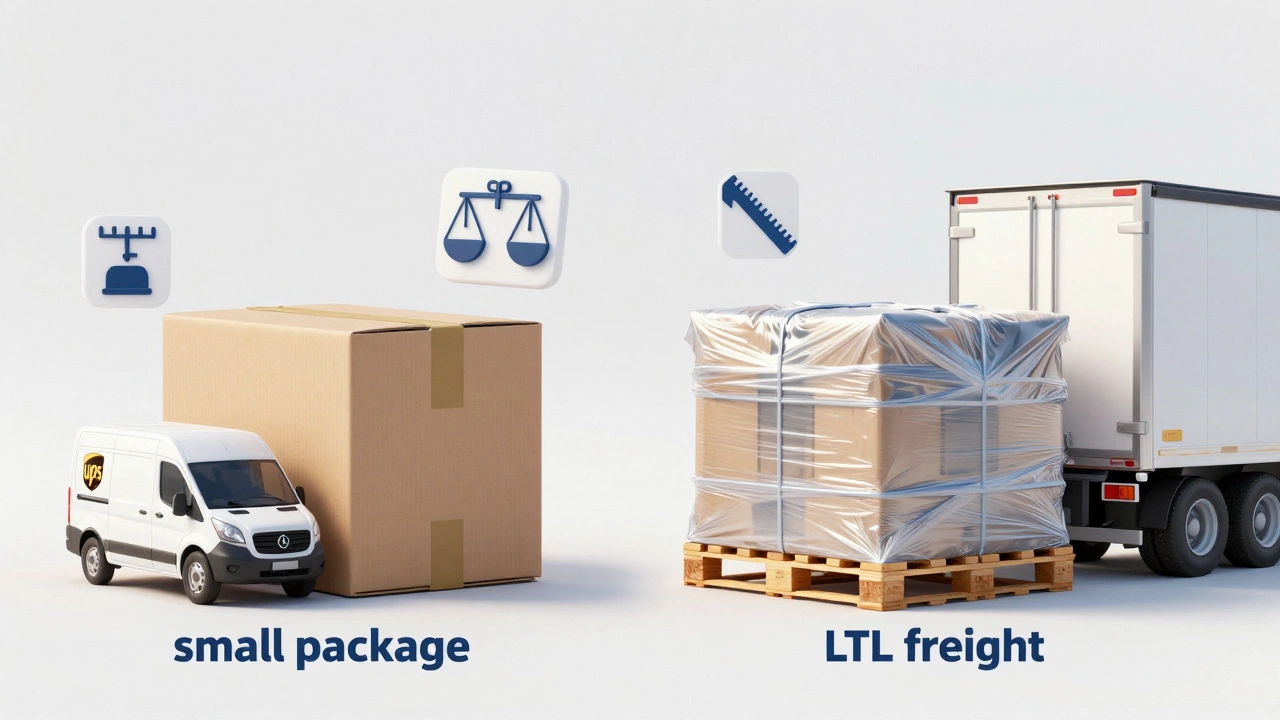
To understand pallet delivery, you first need to separate two distinct parts of the UPS business. There is UPS Ground, which is the standard parcel delivery service for smaller packages. Then there is UPS Freight, which is the division handling large, heavy shipments via Less-Than-Truckload (LTL) methods.
UPS Ground does accept pallets, but only under strict conditions. The pallet must weigh less than 150 pounds and fit within standard dimensional limits. Think of this as a "small pallet" exception. If your load exceeds these limits, UPS Ground will likely reject it, or worse, charge you massive oversize fees that make no sense compared to using the right service from the start.
For anything heavier, bulkier, or requiring a forklift to move, you need UPS Freight. This service is designed for shipments that don't fill an entire truck but are too big for a van. It operates differently from the door-to-door convenience of package delivery. Instead of a driver dropping it on your porch, UPS Freight typically delivers to a dock or a loading zone where you can unload it yourself or with equipment. This distinction is crucial for planning your receiving process.
Can You Ship Any Pallet on UPS?
Not every pallet qualifies for easy shipping. UPS has specific requirements regarding weight, dimensions, and preparation. Ignoring these rules leads to delays, extra charges, or returned goods. Here is what you need to know before you wrap your load.
- Weight Limits: For UPS Ground, the maximum weight per piece is 150 lbs. For UPS Freight, pieces can weigh significantly more, up to 25,000 lbs per shipment, but individual pieces over 70 lbs usually require special handling notes.
- Dimensions: Standard pallet sizes are preferred. A common standard is 48 inches by 40 inches. Oversized pallets (e.g., 96 inches long) incur additional charges. UPS Freight accepts lengths up to 12 feet without major issues, but anything longer may be treated as irregular freight.
- Preparation: Your pallet must be stable. Shrink-wrapping is not just a suggestion; it is a requirement for most commercial accounts. Loose items fall off during transit, causing damage to other loads and liability issues for you.
If your pallet is odd-shaped, fragile, or hazardous, you need to declare that upfront. UPS Freight has specialized lanes for high-value or sensitive goods, but they come with higher price tags. Always measure your pallet including the wrapping and any protruding materials. The carrier measures the outside dimensions, not just the wood base.
Understanding LTL Shipping and Freight Classes
This is where many shippers get confused. Unlike sending a box where the price depends mostly on weight and distance, LTL shipping uses a system called Freight Class, which is a classification system based on density, stowability, handling, and liability.
When you ship a pallet via UPS Freight, they assign it a class ranging from 50 to 500. Class 50 is the cheapest, reserved for dense, easy-to-handle items like bricks or books. Class 500 is the most expensive, covering low-density, fragile, or hard-to-handle items like foam insulation or large electronics.
| Freight Class | Density (lbs/cu ft) | Example Items |
|---|---|---|
| Class 50 | 50+ lbs | Bricks, concrete, heavy machinery parts |
| Class 70 | 30-50 lbs | Canned goods, bottled water, some furniture |
| Class 85 | 20-30 lbs | Clothing, paper products, standard appliances |
| Class 150 | 10-20 lbs | Furniture, mattresses, some plastics |
| Class 250+ | Less than 10 lbs | Foam, pillows, lightweight bulky items |
Misclassifying your freight is a common mistake. If you say your load is Class 85 but UPS determines it is actually Class 150 upon inspection, they will bill you the difference plus a reclassification fee. To avoid this, calculate your density accurately. Divide the total weight by the cubic volume of the pallet. Use online freight class calculators provided by UPS or third-party logistics providers to double-check your work before booking.
How Much Does UPS Pallet Delivery Cost?
Pricing for UPS pallet delivery is not fixed like a stamp. It fluctuates based on several variables. In 2026, fuel surcharges remain a significant part of the final invoice. These surcharges change weekly based on national fuel prices. Even if the base rate looks good, the fuel add-on can spike your total cost unexpectedly.
Other factors influencing your bill include:
- Accessorial Charges: These are extra fees for services beyond basic pickup and delivery. Liftgate service (if you don't have a dock), inside delivery, residential delivery, and notification fees all add up quickly.
- Distance and Lane: Shipping from New York to Boston is cheaper than shipping from Seattle to Miami. UPS has different rate tiers for different geographic zones.
- Market Conditions: During peak seasons like holidays, capacity tightens, and rates often increase. Booking early secures better rates and ensures space on the truck.
Getting an accurate quote requires providing precise details. Vague estimates lead to surprise bills. When requesting a quote, specify the exact weight, dimensions, freight class, origin and destination zip codes, and whether you need liftgate or inside delivery. Many businesses use third-party shipping software to compare UPS Freight rates against competitors like FedEx Freight or Old Dominion to find the best deal.
Pickup and Delivery Requirements
One of the biggest shocks for new shippers is the delivery window. UPS Freight does not guarantee next-day delivery for most LTL shipments. Standard transit times range from 2 to 5 days depending on distance. If you need faster service, you must pay for expedited options, which are limited and costly.
At the destination, someone must be available to receive the freight. UPS Freight drivers do not wait indefinitely. They typically allow a short window for unloading. If no one is there, the driver leaves a notice, and you must schedule a redelivery, which incurs another fee. Make sure your receiving team knows when the truck is coming. Most UPS Freight deliveries require a signature from an adult at the business address.
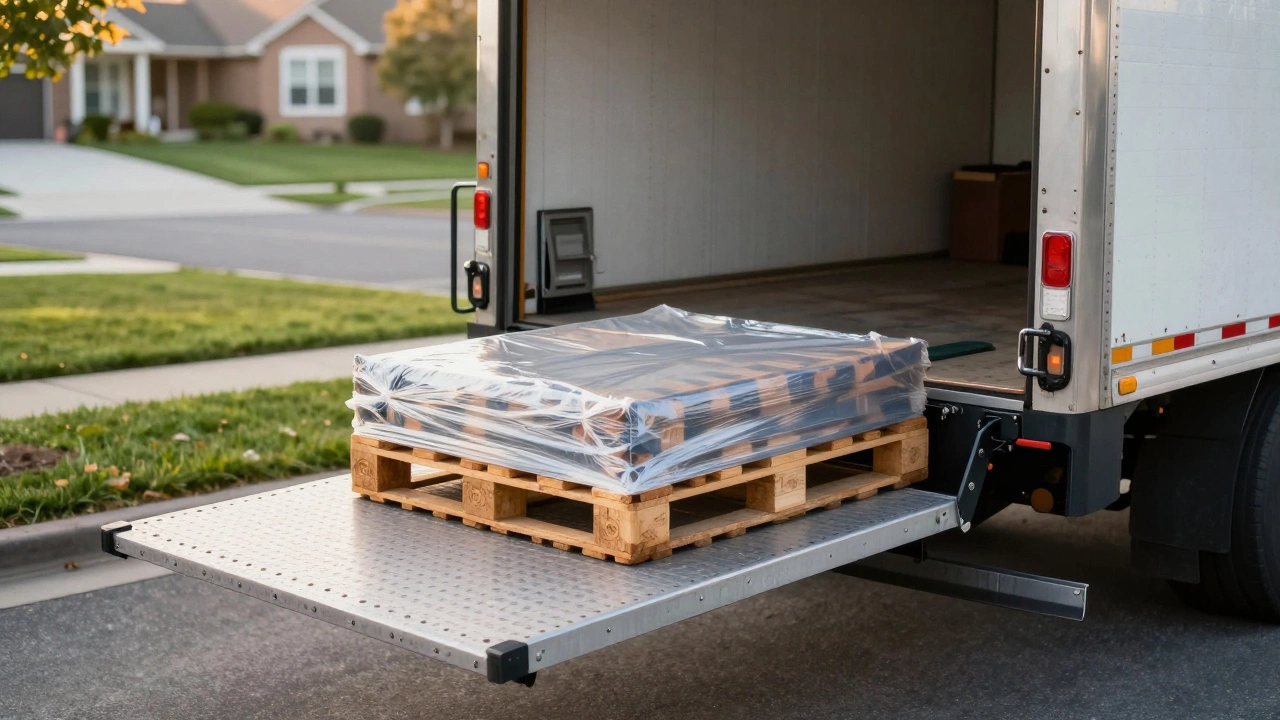
If your location lacks a loading dock, you must request a liftgate service. A liftgate is a hydraulic platform that lowers the pallet to the ground. Without it, the driver cannot legally or safely unload the freight onto a sidewalk or parking lot. Failing to request this service results in the driver refusing delivery until you arrange for alternative unloading methods, such as renting a forklift or hiring movers.
Alternatives to UPS for Pallet Shipping
While UPS is a reliable giant, it isn't always the best choice for every pallet. Depending on your needs, other carriers might offer better rates or service levels. FedEx Freight is a direct competitor with similar LTL capabilities. Regional carriers often provide faster, more personalized service for shorter distances. Companies like XPO Logistics or Estes Express specialize solely in LTL and may have better pricing for high-volume shippers.
For smaller pallets under 150 lbs, comparing UPS Ground with regional parcel carriers or even USPS Parcel Select (for very light loads) can save money. However, for true freight loads, sticking to major LTL providers ensures your goods are handled with appropriate equipment and care. Always shop around. Rates vary daily, and loyalty doesn't always equal savings.
Does UPS deliver pallets to residential addresses?
Yes, UPS Freight delivers to residential addresses, but it comes with extra costs. You will likely face a residential delivery surcharge and possibly a liftgate fee if there is no driveway suitable for a large truck. Ensure the address is accessible for a semi-truck, as narrow streets or HOA restrictions can block delivery.
What happens if my pallet is damaged during UPS transport?
If your pallet is damaged, you must file a claim immediately. Document the damage with photos before signing for the delivery if possible. Note the damage on the proof of delivery. UPS has a claims process, but it requires detailed documentation of the item's value and the extent of the damage. Insurance is recommended for high-value freight.
Can I track my UPS pallet shipment?
Yes, UPS provides tracking for all freight shipments. You will receive a pro number instead of a standard tracking number. You can track the status online or via phone. Updates include pickup confirmation, departure from facilities, arrival at destination terminal, and out-for-delivery status.
Is UPS Freight cheaper than UPS Ground for pallets?
For pallets over 150 lbs or those exceeding dimensional limits, UPS Freight is almost always cheaper and more appropriate. UPS Ground charges excessive oversize and overweight fees for large pallets. For pallets under 150 lbs, compare both quotes, as Ground might be simpler despite potentially higher per-pound costs due to ease of handling.
Do I need a forklift to receive a UPS Freight delivery?
Not necessarily, but it helps. If you have a loading dock, you can use a dock leveler. If you are delivering to ground level, you must request a liftgate service. Without a liftgate or dock, the driver cannot unload the pallet. Plan your receiving area accordingly to avoid missed deliveries.