
Logistics Salary Calculator
Estimate UK salary ranges for logistics roles based on your job title, location and experience level.
Results will appear here after calculation
Ever watched a package move from an online store to your doorstep and wondered who actually makes it happen? It’s not magic. It’s people. But what do you call them? The term "logistics person" isn’t a real job title - it’s just a casual way to describe someone who keeps the supply chain moving. In reality, logistics is made up of dozens of specific roles, each with clear responsibilities, skills, and career paths.
Logistics Isn’t One Job - It’s a System of Roles
If you think logistics is just about driving trucks or packing boxes, you’re missing half the picture. Logistics is the invisible backbone of everything you buy online, from your morning coffee beans to the new phone you ordered. Behind every delivery is a network of people working in different roles - warehouse staff, planners, coordinators, analysts, and managers. Each one plays a part in making sure the right thing gets to the right place at the right time.
Think of it like a football team. You don’t just have players - you have quarterbacks, linemen, coaches, and scouts. Logistics works the same way. Calling someone a "logistics person" is like calling a football player a "team member." It’s true, but it doesn’t tell you anything useful.
Common Logistics Job Titles and What They Actually Do
Here are the most common roles you’ll find in logistics companies today - and what each one really means on the ground.
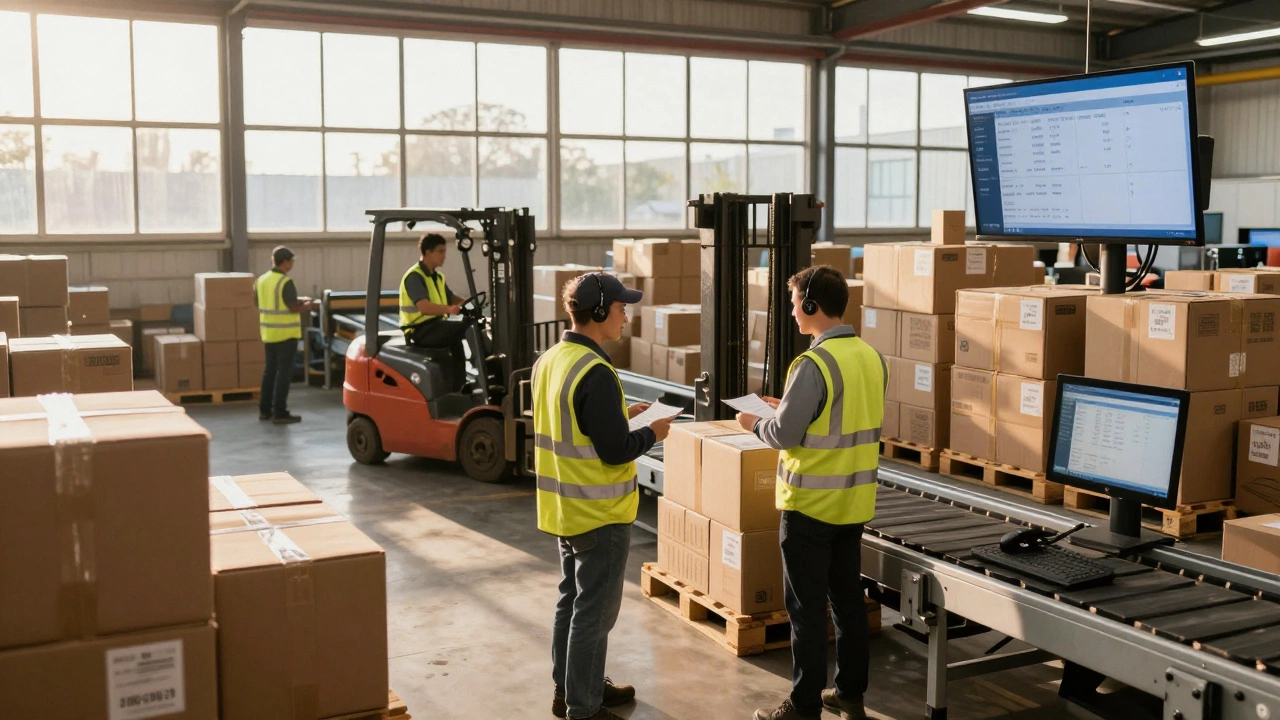
- Warehouse Coordinator: This person runs the day-to-day operations inside a distribution center. They schedule staff, track inventory, make sure orders are picked and packed correctly, and fix delays before they become problems. In a busy warehouse, this role is the glue holding everything together.
- Logistics Coordinator: Often the first point of contact between a company and its carriers. They book shipments, track deliveries, handle customs paperwork for international moves, and communicate with drivers and customers. They’re the ones answering emails at 8 p.m. because a truck got stuck in traffic.
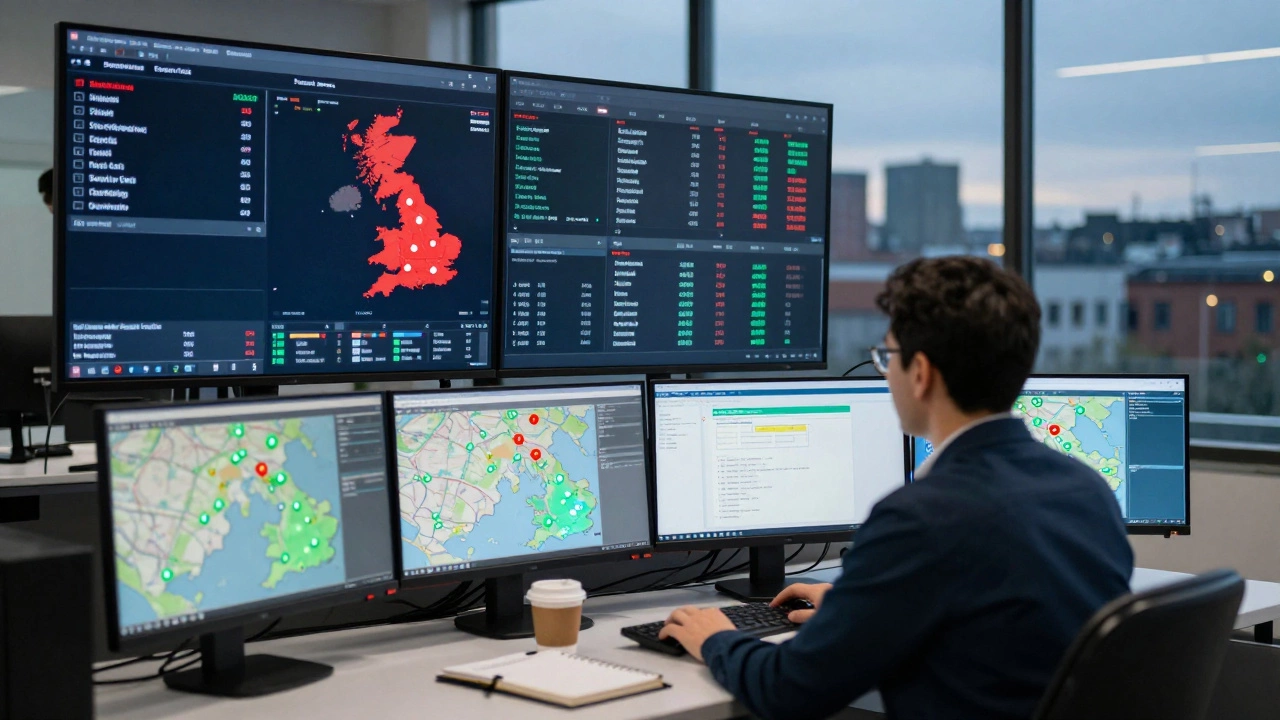
- Supply Chain Analyst: These are the data detectives. They use software to track delivery times, fuel costs, warehouse capacity, and delays. Their job is to spot patterns - like why shipments to Manchester always take two days longer - and recommend fixes. Many start as coordinators and move into this role after learning the systems.
- Transportation Manager: Responsible for all movement of goods by road, rail, sea, or air. They negotiate contracts with freight carriers, manage fleet maintenance, and ensure compliance with safety and environmental rules. In the UK, this includes knowing the rules around HGV licensing and low-emission zones in cities like London and Birmingham.
- Logistics Manager: The boss of the whole operation. They oversee multiple teams - warehouse, transport, planning - and report to senior leadership. They set KPIs, manage budgets, and make sure the company meets its delivery promises. A good logistics manager doesn’t just react to problems - they prevent them.
- Procurement Specialist: Often overlooked, but vital. They choose suppliers, negotiate bulk pricing for packaging materials, and ensure raw materials arrive on time for manufacturing. In e-commerce, this might mean securing enough boxes and tape for a holiday sales spike.
These roles aren’t just titles on a job board. They’re real, hands-on positions with clear daily tasks. A warehouse coordinator doesn’t sit at a desk all day - they’re on their feet, scanning barcodes, loading pallets, and talking to drivers. A logistics analyst doesn’t just run reports - they sit with warehouse teams to figure out why pick rates dropped last week.
How These Roles Fit Into Logistics Companies
Large logistics firms like DHL, FedEx, or UK-based companies like DX Logistics and XPO Logistics have entire departments built around these roles. But even small local couriers need them. A small delivery company in Liverpool might only have five employees - but one of them is still doing the job of a logistics coordinator, another is managing the van schedule like a transportation manager.
Many people start in entry-level roles - like warehouse operative or delivery driver - and work their way up. It’s not uncommon to see someone who began as a packer become a logistics manager within five to seven years. The key is learning the systems, understanding the data, and showing you can solve problems before they escalate.
What Skills Do You Need?
There’s no single path into logistics, but certain skills show up again and again:
- Organisation: You’re juggling dozens of shipments, deadlines, and people. If you’re disorganized, things fall through the cracks.
- Communication: You’ll talk to warehouse staff, drivers, customers, and suppliers - often under pressure. Clear, calm communication keeps things running.
- Problem-solving: A truck breaks down. A customs form is missing. A warehouse scanner fails. You fix it. Fast.
- Attention to detail: One wrong address, one missed label, and a £2,000 order goes to the wrong town.
- Basic tech skills: Most companies use software like SAP, Oracle, or cloud-based tools like ShipStation or Fishbowl. You don’t need to be a coder, but you need to be comfortable using them.
Many people think you need a degree to get into logistics. You don’t. Certifications like the CILT (Chartered Institute of Logistics and Transport) Level 2 or 3 are more valuable than a degree for hands-on roles. Some companies even pay for training while you work.
Where Are These Jobs Located?
Logistics jobs aren’t just in big cities. The UK has major logistics hubs near motorways and ports: the Midlands (near M1 and M6), the North West (Manchester, Liverpool), and the Southeast (near the Channel Tunnel and Thames Estuary). But you’ll also find warehouses and distribution centers in towns like Stoke-on-Trent, Derby, and even rural areas where land is cheaper and transport links are good.
With the rise of same-day delivery and online shopping, logistics jobs are growing. In 2024, the UK added over 65,000 new logistics roles, according to the Office for National Statistics. That’s more than construction and twice as many as hospitality.

What’s the Pay Like?
Salaries vary by role, location, and experience:
- Warehouse Operative: £11-£14/hour
- Logistics Coordinator: £24,000-£30,000/year
- Supply Chain Analyst: £30,000-£40,000/year
- Transportation Manager: £40,000-£55,000/year
- Logistics Manager: £50,000-£75,000/year
Many roles offer overtime, shift bonuses, and pension contributions. In high-demand areas like London or near major ports, pay can be 10-15% higher.
Is Logistics a Good Career?
Yes - if you like structure, action, and solving real problems. Unlike office jobs where you might spend hours in meetings, logistics is hands-on. You see the results of your work every day. A shipment goes out. It arrives on time. A customer is happy. That’s rare in today’s economy.
It’s also stable. No matter what happens with the economy, people still need food, medicine, clothes, and gadgets. Logistics keeps those things moving. Even during the pandemic, logistics workers were classified as essential. That says something.
And there’s room to grow. Many logistics managers started as drivers. Many analysts started as data entry clerks. The door is open if you’re willing to learn.
What’s Next for Logistics Jobs?
Automation is changing the field - but not replacing people. Robots now pick items in warehouses, but humans still manage the robots, fix breakdowns, and handle exceptions. AI helps forecast demand, but people still decide how to respond.
Green logistics is growing fast. Companies are switching to electric vans, using biofuels, and optimizing routes to cut emissions. That means new roles are popping up - like Sustainability Coordinator in Logistics - and existing roles are adding new responsibilities.
If you’re looking for a job that’s practical, well-paid, and never boring, logistics has more than enough room for you.
Is "logistics person" a real job title?
No, "logistics person" isn’t a formal job title. It’s a casual phrase people use when they don’t know the specific role. In professional settings, you’ll hear titles like Logistics Coordinator, Warehouse Supervisor, or Transportation Manager. Each has defined duties and career paths.
What’s the difference between a logistics coordinator and a logistics manager?
A logistics coordinator handles the day-to-day tasks: booking shipments, tracking deliveries, fixing delays. A logistics manager oversees multiple coordinators and teams, sets goals, manages budgets, and makes strategic decisions. The coordinator executes; the manager plans and leads.
Can you get into logistics without a degree?
Absolutely. Many people enter logistics through entry-level roles like warehouse operative or delivery driver. Certifications from CILT or NVQs in Supply Chain Operations are more valued than degrees for hands-on roles. On-the-job training and experience matter more than a university diploma.
Do logistics jobs pay well?
Yes, especially as you gain experience. Entry-level roles start around £11-£14/hour. Coordinators earn £24K-£30K annually. Managers can earn £50K-£75K. Pay is higher in London and near major ports. Many roles also include overtime, shift bonuses, and pensions.
Are logistics jobs in demand in the UK?
Very much so. The UK added over 65,000 logistics jobs in 2024. E-commerce growth, same-day delivery expectations, and supply chain reshoring are driving demand. There’s a shortage of skilled workers, especially in transport and warehouse management. If you’re willing to learn, opportunities are plentiful.