
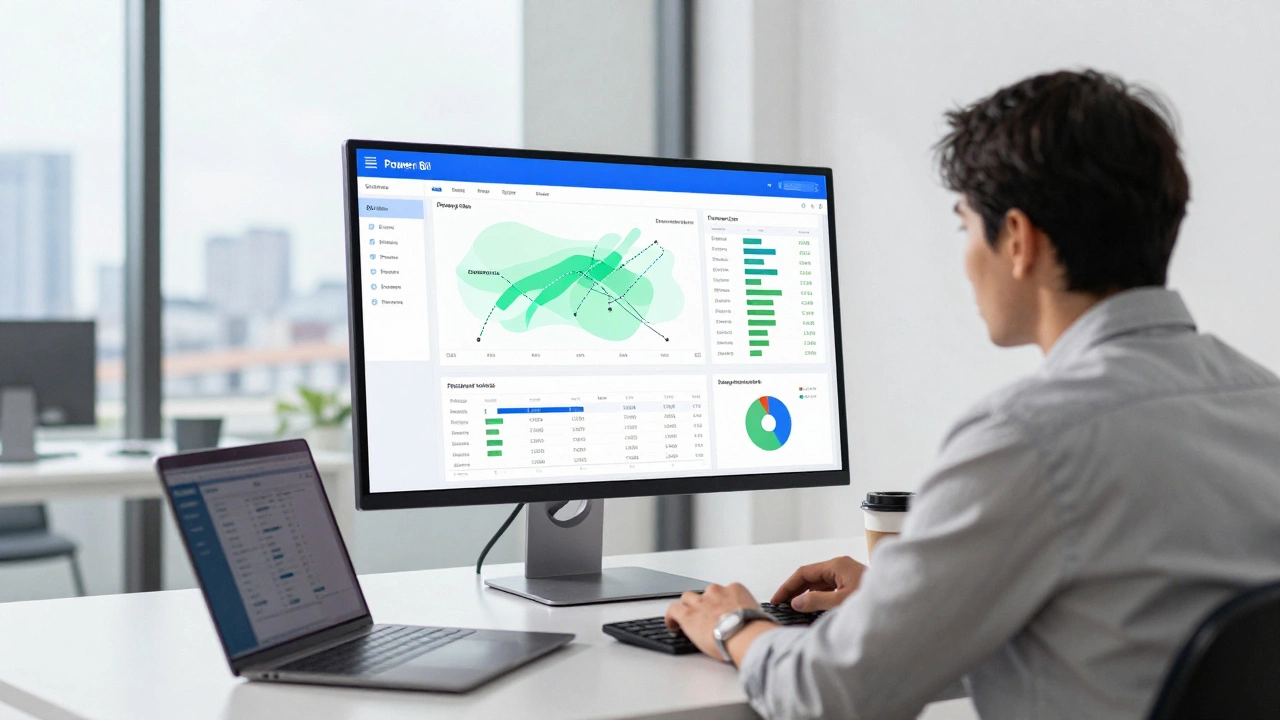
There’s no single "best" career in logistics - but if you’re looking at e-commerce, some roles pay better, grow faster, and give you more control over your future than others. The truth is, the old image of a warehouse worker stacking boxes all day is fading. Today’s e-commerce logistics is powered by data, automation, and smart decision-making. And the people who thrive aren’t just doing jobs - they’re building systems that move millions of packages every hour.
Supply Chain Analyst - The Hidden Engine of E-commerce
If you like numbers, patterns, and fixing problems before they happen, supply chain analyst is the most valuable role in e-commerce logistics right now. Companies like Amazon, ASOS, and Zalando don’t just need people to pack orders - they need people who can predict when a product will sell out, why a delivery route is slowing down, or how to cut shipping costs by 15% without hurting delivery speed.
This job uses tools like Power BI, Tableau, and SAP IBP. You don’t need a PhD. Most analysts start with a degree in business, economics, or even math - then learn the software on the job. Salaries in the UK start around £32,000 and jump to £55,000+ within five years. The best part? You’re not stuck in a warehouse. You’re in an office, on Zoom calls with suppliers, or working remotely from Liverpool while managing stock across Europe.
One analyst I know reduced returns by 22% just by fixing how product descriptions matched warehouse inventory. That’s not luck - that’s analysis.
Warehouse Operations Manager - Running the Machine
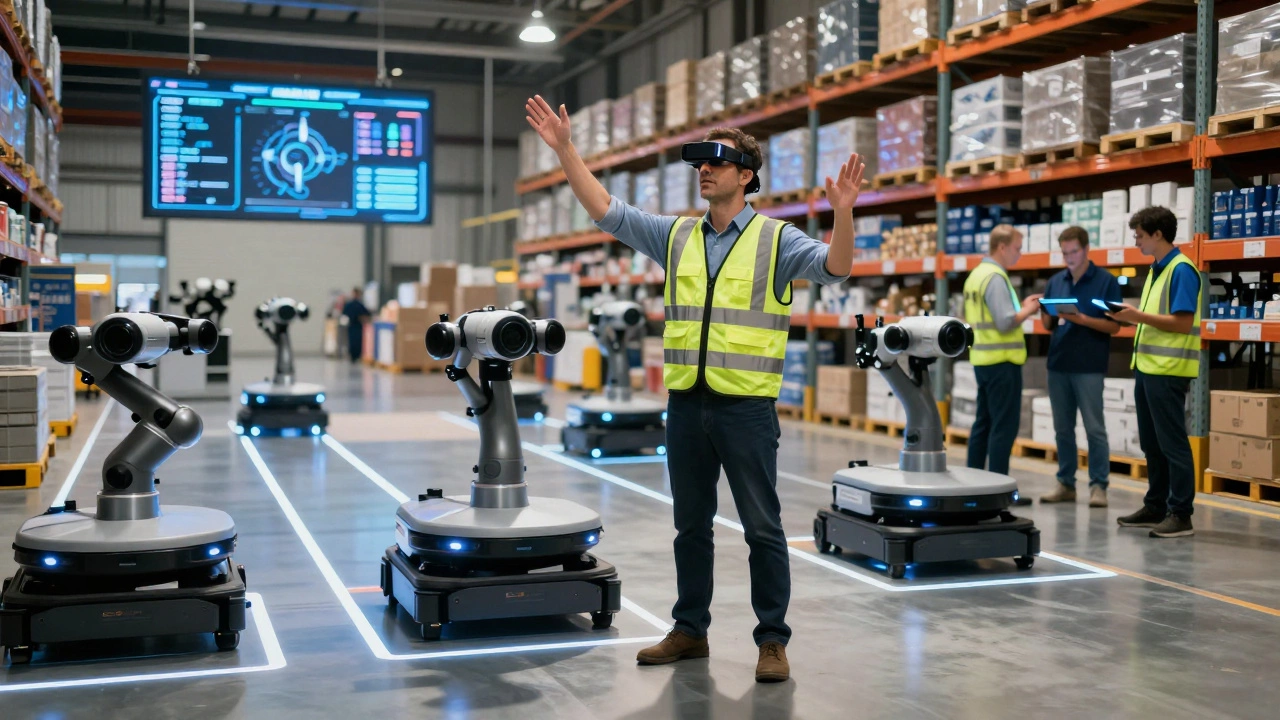
Every single online order starts here. And if the warehouse doesn’t work, nothing else does. Warehouse operations managers don’t just supervise staff - they design workflows, manage robotics, and handle peak season chaos like Black Friday or Christmas.
Modern warehouses use automated guided vehicles (AGVs), voice-picking systems, and real-time inventory tracking. A good manager knows how to train staff on these tools, reduce errors, and keep throughput high. In 2026, the average UK warehouse manager earns £42,000 to £60,000. Some earn more if they manage multi-site operations.
One manager in Manchester cut picking errors by 40% in six months by switching from barcode scanners to AR glasses. That’s the kind of innovation that gets you promoted fast.
Logistics Data Specialist - The New Oil
Every time you click "Buy Now," your order generates data: where you live, what you bought, how long it took to ship, if you returned it, and even how the delivery driver interacted with your doorbell. Logistics data specialists collect, clean, and turn that raw data into decisions.
They work with Python, SQL, and machine learning models to predict delivery delays, optimize last-mile routes, or flag fraudulent orders. This isn’t IT - it’s logistics with code. Entry-level roles start at £35,000. With experience, you can earn £70,000+ and work for tech-driven logistics firms like DHL Supply Chain or FedEx Trade Networks.
One specialist in Birmingham built a model that cut failed deliveries by 31% by predicting which addresses were most likely to have no one home. That saved the company £2.3 million a year.
Customer Experience (CX) Specialist in Logistics
Most people think logistics is about moving boxes. But in e-commerce, it’s about managing expectations. If your order is late, you don’t call the warehouse - you call customer service. That’s where CX specialists come in.
They design automated updates, handle delivery complaints, train support teams, and work with logistics partners to fix recurring issues. A good CX specialist reduces refund requests by making customers feel heard - even when things go wrong.
Companies like Ocado and Very.com now tie CX scores directly to logistics KPIs. Salaries range from £30,000 to £48,000. And because this role sits between operations and customers, it’s one of the fastest paths to leadership.
Procurement and Vendor Manager - The Negotiator
E-commerce brands don’t own warehouses or delivery fleets. They rent them. That’s where procurement managers shine. They negotiate contracts with 3PLs (third-party logistics providers), carrier rates, packaging suppliers, and return handling services.
In 2026, fuel surcharges, carbon taxes, and driver shortages are pushing costs up. A smart procurement manager doesn’t just pick the cheapest option - they pick the most reliable one with room to scale. One manager in Leeds saved £1.8 million a year by switching from national couriers to regional hubs for rural deliveries.
Skills needed: negotiation, contract law basics, Excel modeling, and supplier relationship management. Pay starts at £38,000 and hits £65,000+ with experience.
What Doesn’t Work Anymore
Some roles still exist - but they’re shrinking fast. Traditional freight forwarders, manual inventory clerks, and paper-based dispatchers are being replaced by software and automation. If you’re considering a career in logistics, avoid jobs that rely on repetitive manual tasks. Look for roles that require problem-solving, tech fluency, or customer insight.
For example: a job posting that says "must have experience with Excel" is outdated. A better one says "must use data to reduce delivery costs by 10%" - that’s the future.
How to Start - Even Without Experience
You don’t need a logistics degree. Here’s how real people break in:
- Start in a warehouse or delivery role - even part-time. You’ll learn how orders move from shelf to doorstep.
- Learn free tools: Google Sheets, Power BI (free version), or Microsoft Learn’s logistics modules.
- Take a short course in supply chain basics - Coursera and FutureLearn offer UK-recognized ones for under £50.
- Ask your manager if you can help with a small data project. Even tracking delivery times for a single product line counts.
- Apply for junior analyst or operations coordinator roles. Many companies hire from within.
I’ve seen a warehouse picker become a supply chain analyst in 18 months by learning SQL during lunch breaks and asking to join a process improvement meeting.

Future-Proofing Your Career
By 2030, 70% of e-commerce logistics decisions will be made by AI. But AI doesn’t set goals - people do. The best careers in logistics will be those that combine human judgment with tech tools.
Focus on skills that machines can’t replicate:
- Understanding customer frustration and turning it into a solution
- Reading between the lines of data to spot hidden problems
- Managing teams through change
- Negotiating with suppliers under pressure
These aren’t just skills - they’re career insurance.
Which Role Is Right for You?
Ask yourself:
- Do you love numbers and spotting trends? → Supply chain analyst or logistics data specialist
- Do you like leading people and solving daily chaos? → Warehouse operations manager
- Do you enjoy talking to customers and calming them down? → CX specialist
- Do you like negotiating and saving money? → Procurement and vendor manager
There’s no "best" role - only the best fit for your strengths.
Is logistics a good career in 2026?
Yes - especially in e-commerce. Demand for skilled logistics professionals is growing faster than supply. Salaries are rising, automation is creating new roles, and companies are investing heavily in supply chain resilience. If you’re willing to learn tech tools and think strategically, logistics offers stability, growth, and good pay.
Do I need a degree to work in e-commerce logistics?
No. Many logistics managers started in warehouses. What matters more is experience, problem-solving skills, and familiarity with tools like Excel, Power BI, or ERP systems. A degree helps for analyst or procurement roles, but it’s not a requirement. Employers care more about what you’ve done than what diploma you hold.
What’s the highest-paying job in logistics?
Senior supply chain analysts and logistics data specialists with AI and machine learning skills earn the most - often over £70,000 in the UK. Procurement managers at large e-commerce firms can also hit that range. But these roles require 5+ years of experience and proven results, not just titles.
Can I work remotely in logistics?
Some roles can - especially analysts, data specialists, procurement managers, and CX coordinators. You can manage supplier contracts or analyse delivery data from anywhere. But warehouse operations and frontline roles require being on-site. Hybrid setups are common: 2-3 days in the office, 2-3 remote.
Is automation killing logistics jobs?
It’s replacing repetitive tasks, not people. Robots handle picking and sorting, but humans still design the systems, fix breakdowns, interpret data, and manage customer expectations. In fact, automation has created more jobs than it’s taken - especially in tech-support, maintenance, and data roles. The key is adapting to work with machines, not against them.
Next Steps
If you’re serious about a logistics career, start today:
- Find a logistics job - even entry-level - at a company like Amazon, DPD, or a local e-commerce warehouse.
- Ask to shadow someone in planning or data analysis.
- Complete a free 2-hour course on supply chain basics on Coursera or LinkedIn Learning.
- Track one metric for a week: How many orders were delayed? Why? Write it down.
- Apply for a junior coordinator role in 6 months.
Logistics isn’t about moving boxes. It’s about moving possibilities. The best careers aren’t the ones with the most hours - they’re the ones where your work makes a real difference.