
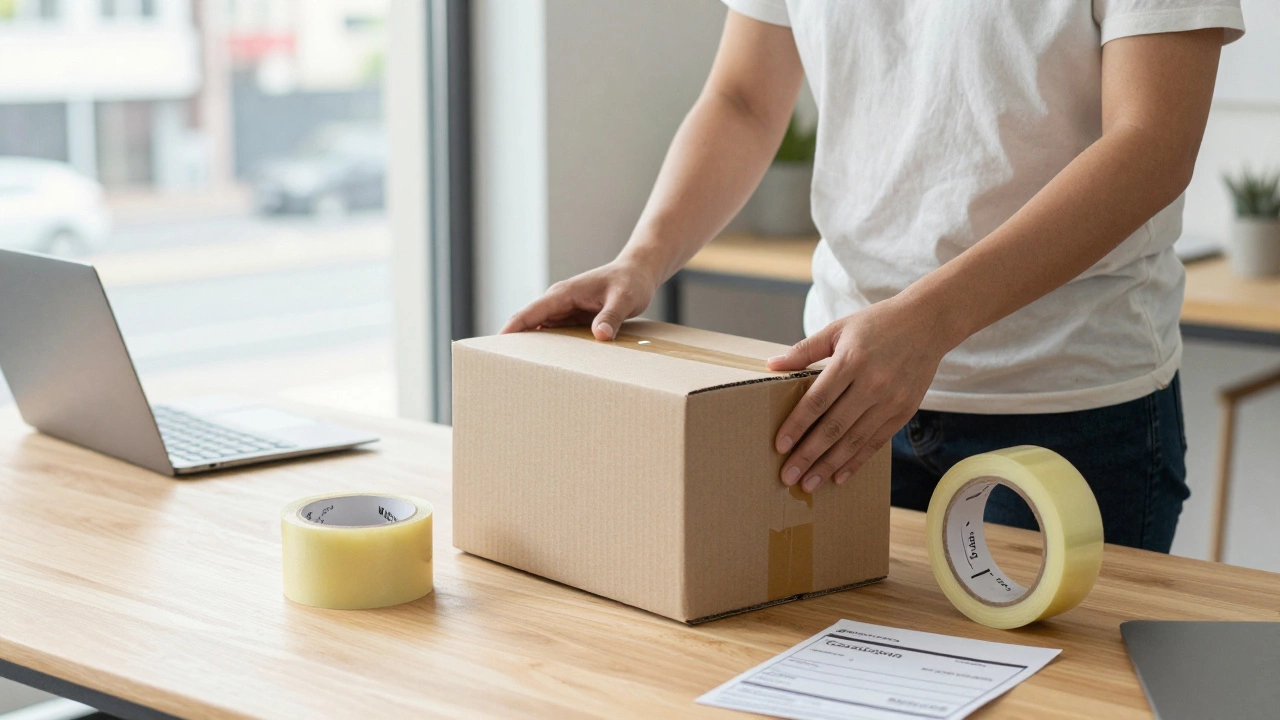
USPS International Shipping Helper
Recommended Service: -
Pro Tip:
The short answer is yes, but there is a catch
If you are staring at a package and wondering if the USPS is a viable option to get it across the ocean, the answer is a resounding yes. The United States Postal Service is actually one of the most accessible ways to send items globally because they have a massive network of partnerships with other national postal services. However, just dropping a box in a blue bin isn't enough. International shipping comes with a layer of bureaucracy-think customs forms, varying delivery speeds, and pricing that can swing wildly depending on the destination.
For most people, the biggest hurdle isn't whether they can ship internationally, but how to do it without the package getting stuck in a customs warehouse for three weeks or costing more than the item inside. You need to know which service level fits your budget and how to handle the paperwork so your recipient doesn't get hit with a surprise bill upon delivery.
Quick Summary of USPS International Options
- Priority Mail Express International: The fastest choice, usually arriving in 3-5 business days.
- Priority Mail International: The balanced choice, typically taking 6-10 business days.
- First-Class Package International Service: The budget choice for small, light items (up to 4 lbs).
Choosing the right shipping method for your gear
Not all international shipments are created equal. If you are sending a handmade gift to a friend in France, you have different needs than someone shipping a high-value prototype to a business in Tokyo. The USPS offers a tiered system that lets you trade speed for money.
If you are in a rush, Priority Mail Express International is the way to go. It provides the fastest delivery and includes tracking and insurance. It's the "premium" lane. But if you can wait a week or two, Priority Mail International is significantly cheaper while still offering a decent tracking experience. Then there is the First-Class Package International Service. This is the gold standard for lightweight items. If your package is under 4 pounds and doesn't need a strict deadline, this is where you save the most money. Just be aware that tracking on First-Class is often limited once the package leaves the US.
| Service | Max Weight | Estimated Speed | Tracking |
|---|---|---|---|
| Priority Mail Express International | 70 lbs | 3-5 Business Days | Full End-to-End |
| Priority Mail International | 70 lbs | 6-10 Business Days | Full End-to-End |
| First-Class Package International | 4 lbs | 7-21 Business Days | Limited/Destination Dependent |
Dealing with the dread of Customs Forms
This is where most people get tripped up. You can't just put a name and address on a box and hope for the best. Every single international shipment requires a customs declaration. This is essentially a manifesto telling the destination country's government what is inside, how much it's worth, and why it's being sent.
You will likely encounter the PS Form 2976-R (or the digital equivalent via the USPS website). When filling this out, be specific. Don't write "Gift" or "Clothes." Instead, write "Cotton T-shirt" or "Plastic Toy Car." Customs agents hate vague descriptions; if they can't tell what it is, they might open the package or send it back to you. Also, be honest about the value. If you undervalue a luxury watch to help your friend avoid taxes, and the package is lost or damaged, the insurance company will only pay out the amount you listed on that form.
Keep in mind that Customs Duties are the responsibility of the receiver. Depending on the country-for instance, shipments entering the European Union often trigger VAT (Value Added Tax) charges. If your recipient isn't expecting to pay $20 to the mail carrier before they can take their package inside, it might lead to an awkward conversation.
Packaging for a long-haul journey
A package going from New York to New Jersey is handled gently. A package going from New York to Sydney is tossed around, stacked under heavy crates, and shifted between planes and trucks. You need to over-pack.
Use a double-walled corrugated box if the item is fragile. Don't rely on a single layer of bubble wrap. Use "void fill"-like packing peanuts or crumpled kraft paper-to ensure the item doesn't shift. If the item can move even an inch inside the box, it's not packed tight enough. Also, use heavy-duty packing tape. The cheap, thin tape often peels off in the humid holds of cargo planes, leading to "open-box" disasters where your contents end up scattered across a sorting facility in Germany.
The hidden pitfalls of international shipping
One of the biggest mistakes people make is ignoring the "Prohibited Items" list. The USPS has its own rules, but the destination country has its own rules too. For example, shipping certain food products or plants into Australia is almost impossible due to their incredibly strict biosecurity laws. You might think a jar of honey is a nice gift, but Australian customs might destroy it and fine the recipient.
Another issue is the "Last Mile" problem. Once a package leaves the US, it is handed over to the local postal service (like Royal Mail in the UK or Canada Post in Canada). Your USPS tracking number might stop updating, or it might lead you to a different tracking website. Don't panic if the status says "Arrived at Destination Post" and doesn't move for three days; it's often just waiting for the local customs agent to clear it.
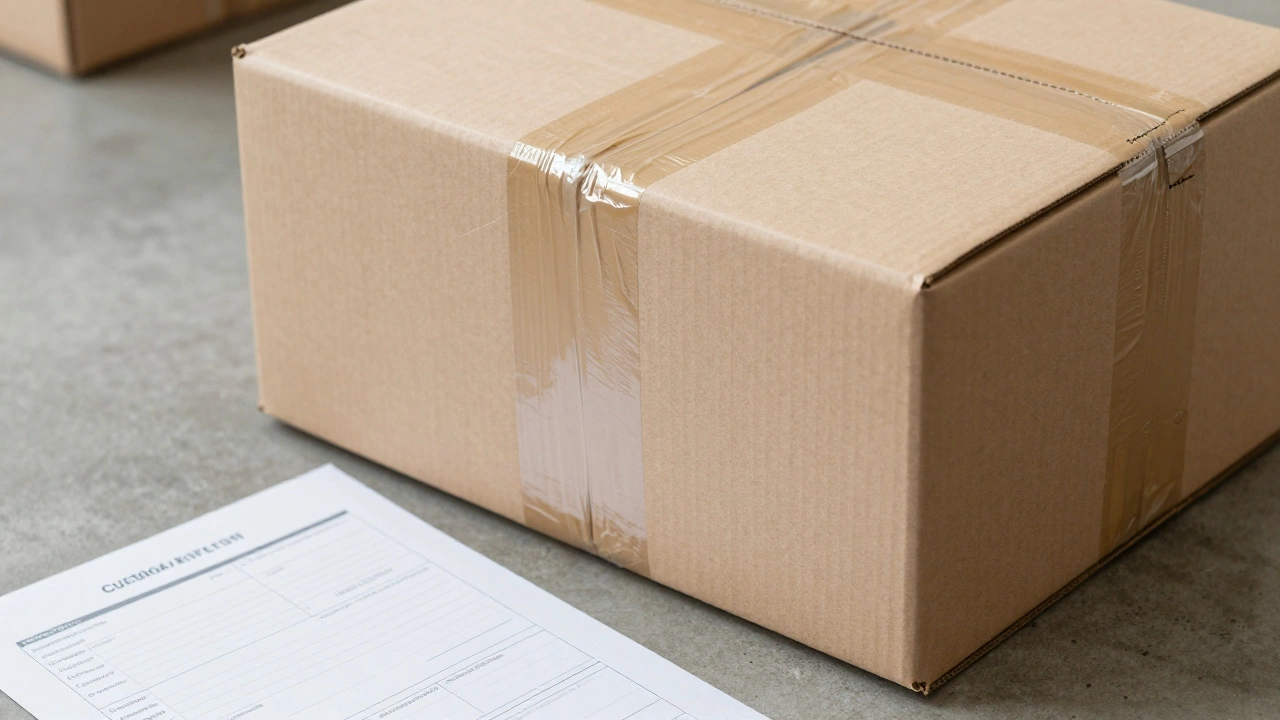
How to save money on global shipping
Shipping internationally is expensive, but you can trim the cost if you are strategic. First, use the USPS Click-N-Ship tool. Printing your labels at home is not only faster, but it sometimes offers a slightly better rate than paying at the counter. Second, be mindful of the weight. Crossing the 1lb threshold can jump your price significantly in First-Class shipping. If you are just over the limit, see if you can remove some excess packaging or split the shipment into two smaller, lighter envelopes.
Lastly, consider the Customs Value carefully. While you shouldn't lie, you should categorize the item accurately. Marking something as a "Sample" or "Document" (if it actually is one) can sometimes bypass certain tariffs, though this is strictly for non-commercial shipments. If you are running a business, you might want to look into a shipping aggregator that provides discounted commercial rates for USPS services.
How long does it take for USPS to deliver internationally?
It depends entirely on the service you choose. Priority Mail Express International usually arrives in 3-5 business days. Priority Mail International typically takes 6-10 business days. First-Class Package International is the slowest and can take anywhere from 7 to 21 business days, or even longer depending on the destination's customs efficiency.
Can I track my USPS package once it leaves the US?
Yes, if you used Priority Mail or Priority Mail Express. However, the level of detail depends on the destination country. Some countries provide granular tracking, while others only update the status when the package is "Out for Delivery." First-Class packages have very limited tracking and often stop updating once they leave the US border.
Who pays the customs fees and taxes?
By default, the recipient (the person receiving the package) is responsible for paying any import duties, taxes, or VAT charges. If they refuse to pay, the package may be returned to the sender, and you may be charged for the return shipping costs.
What happens if my international package is lost?
If you purchased insurance (which is included in some Priority levels), you can file a claim through the USPS website. You will need the tracking number and proof of the item's value (like a receipt). Be aware that claims for international shipments can take longer to process than domestic ones.
Can I send liquids or food internationally via USPS?
It is possible, but highly risky. Many countries ban the import of perishables, seeds, and certain liquids. You must check the specific customs regulations of the destination country. If you do send food, ensure it is commercially packaged, sealed, and clearly labeled in English and the destination language.
Next steps for a smooth shipment
If you are ready to ship, start by visiting the USPS "Price Calculator" online. This gives you a ballpark figure so you aren't shocked at the counter. Next, double-check the prohibited items list for the specific country you are targeting. Finally, gather your materials-heavy tape, a sturdy box, and plenty of padding-to ensure your package survives the trip. If you are shipping something extremely high-value (over $400), consider whether the postal service is enough, or if a private courier with higher insurance limits might be a safer bet for your peace of mind.