
Courier Earnings Calculator
Calculate Your Courier Earnings
Ever wonder how much a courier actually takes home after dropping off your online order? The simple answer is: yes, most couriers get paid per parcel-but it’s not as straightforward as it sounds. Pay isn’t just a flat rate per package. It’s shaped by distance, time, location, fuel costs, and even the company you work for. If you’re thinking about becoming a courier or you’re one and wondering if you’re being paid fairly, here’s how it really works in 2025.
How Pay Per Parcel Actually Works
Most major courier companies in the UK-like DPD, Hermes, Yodel, and DHL-use a piece-rate system. That means you earn a set amount for each parcel you deliver. But here’s the catch: that amount varies wildly. In London, you might get £1.80 per delivery. In rural Lancashire or North Wales, it could drop to £1.10. Why? Because urban routes are denser. You can drop off 40-50 parcels in a single morning. In the countryside, you might only hit 20, even if you drive twice as far.
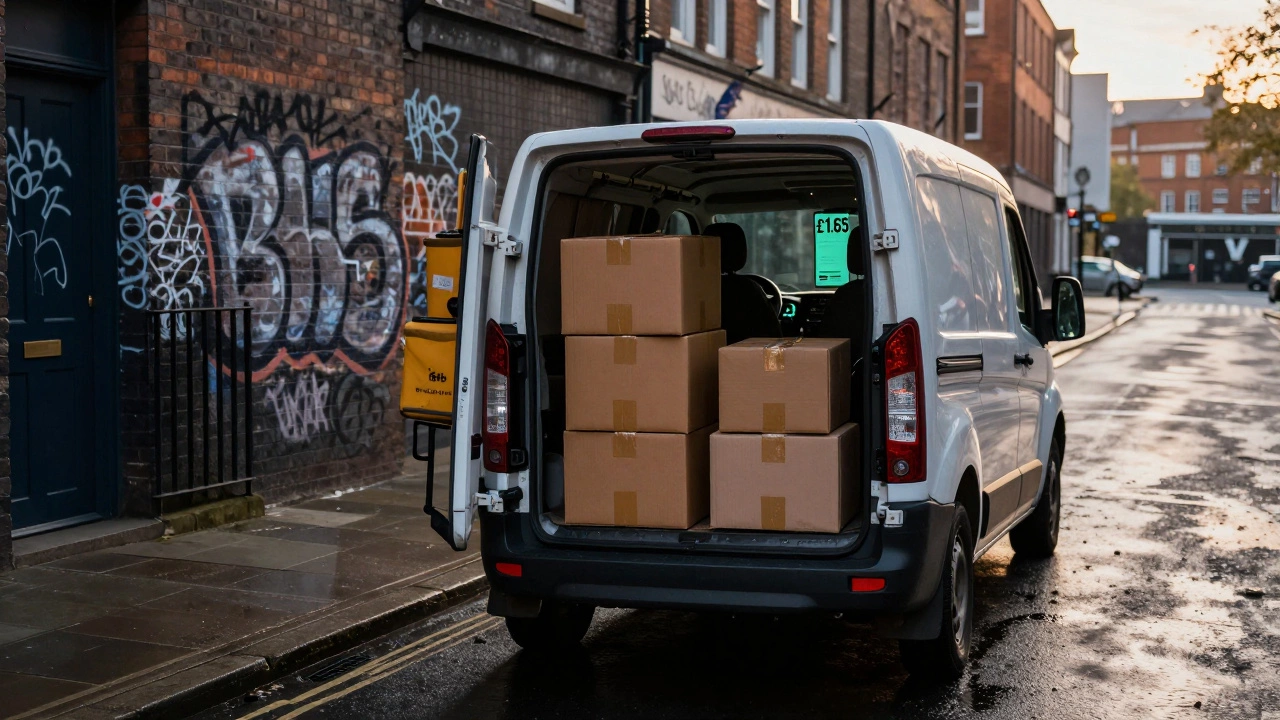
Some drivers report earning between £1.00 and £2.50 per parcel, depending on the contract. DPD drivers in the North West average £1.65 per parcel. Hermes drivers in Manchester report £1.40. But these numbers don’t tell the full story. You’re not paid for waiting at a doorstep, for failed deliveries, or for driving between drop-off points. You’re paid for the moment the scan confirms delivery.
What’s Not Included in Per-Parcel Pay
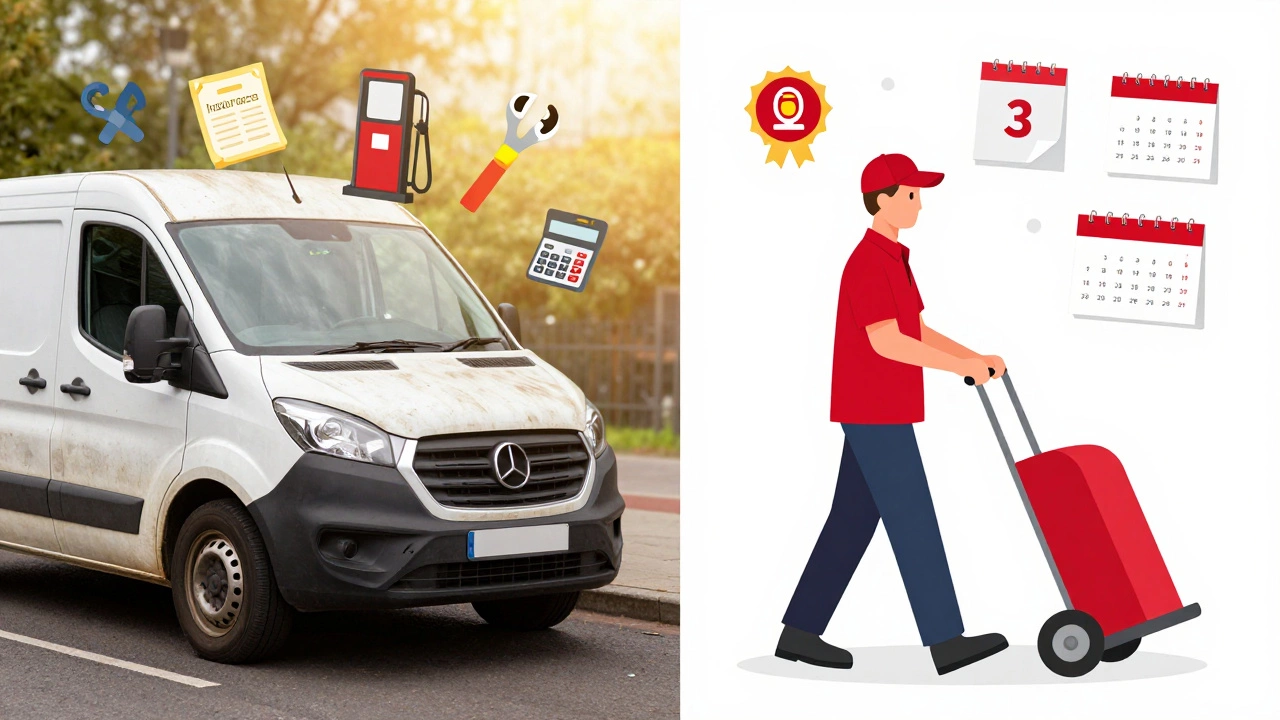
Many new couriers assume they’re getting paid for their time. They’re not. If you spend 45 minutes trying to deliver one package because no one’s home, you’re not getting extra. If you have to return to a depot to re-route, you’re not paid for that. If your van breaks down, you’re out of pocket for repairs. You’re also responsible for fuel, insurance, maintenance, and vehicle depreciation.
A 2024 survey by the Independent Courier Association found that after deducting all expenses, the average net pay per parcel was just £0.72. That’s down from £0.90 in 2022. Fuel prices jumped 18% last year. Insurance for delivery vans rose 22%. Yet parcel rates barely budged.
Some drivers use apps like Fuelio or MileIQ to track every mile and expense. One Liverpool-based courier, Mark, told me he spent £1,100 on diesel and repairs last month. He delivered 1,800 parcels. That’s £0.61 net per parcel after costs. He works 10 hours a day, six days a week. He makes £1,100 a month after everything. That’s below the UK minimum wage when you calculate it properly.
Company Contracts and Pay Tiers
Not all courier roles are the same. There are three main types:
- Self-employed contractors - You rent or own your van, handle your own insurance, and are paid per parcel. Most common with Hermes, DPD, and Yodel.
- Employed drivers - You’re on a salary or hourly wage with benefits. Common with Royal Mail, Amazon Logistics, and some NHS parcel services.
- Franchise owners - You run your own delivery zone. You hire drivers, pay them per parcel, and keep the profit margin. Rare, but high-reward if you scale.
Employed drivers make more in stability, not per parcel. A Royal Mail driver in Liverpool earns £28,000 a year. That’s about £10.75 an hour. But they deliver 150-200 parcels a day. That’s £0.14 to £0.19 per parcel. Sounds low? But they don’t pay for fuel, insurance, or van repairs. Their pension and holiday pay are included.
Contractors earn more per parcel, but they carry all the risk. One franchise owner in Birmingham told me he pays his drivers £1.30 per parcel, keeps £0.40, and nets £2,100 a month after overhead. He works 12-hour days. He’s not rich-but he’s in control.
Peak Season Pay Bonuses
December is the biggest month of the year for couriers. Christmas, Black Friday, and Cyber Monday mean double the parcels. Most companies offer temporary bonuses.
In 2024, DPD paid a £0.30 bonus per parcel between December 1 and December 24. Hermes added £0.25. Some local firms offered £100 cash bonuses for hitting 500 deliveries in a week. That’s not enough to offset the 16-hour days, but it helps.
Drivers who work 60+ hours a week in December can earn £1,500 to £2,000. But come January, the bonuses vanish. The pay drops back to £1.10-£1.60. Many drivers quit after the holidays. Companies struggle to keep staff through the slow months.
How to Maximize Your Earnings
If you’re a courier, here’s how to make more:
- Choose your route wisely - Urban areas with high-density housing (like Manchester city centre or Birmingham’s suburbs) pay better than scattered villages.
- Use the right van - A small van with low fuel consumption (like a Ford Transit Custom or VW Caddy) cuts costs. A large van eats diesel and eats your profit.
- Track every expense - Use HMRC-approved apps to log mileage and repairs. You can claim tax back on 45p per mile for the first 10,000 miles.
- Get insured for failed deliveries - Some insurers offer policies that cover lost parcels or customer claims. It’s £150 a year. Worth it if you deliver 100+ parcels daily.
- Work for multiple platforms - Some drivers split time between DPD and Amazon Flex. You get paid per job, not per parcel. Amazon pays £12-£18 per 2-hour slot. That’s better than £1.20 per parcel if you’re efficient.
Is It Worth It?
Is being a courier a good job? It depends on your goals.
If you want flexibility, control over your schedule, and don’t mind working hard for low margins-yes. You can start tomorrow. No degree needed. No experience required.
If you want security, steady income, or benefits like sick pay and holidays-no. You’re better off applying to Royal Mail or Amazon Logistics as a direct employee.
There’s no shame in either path. But if you’re signing up as a contractor, you need to know the math. A courier who delivers 100 parcels a day at £1.50 each earns £150. That sounds good. But after £60 for fuel, £20 for insurance, £15 for maintenance, and £10 for phone and app fees, you’re left with £45. That’s £7.50 an hour if you work 6 hours. That’s below minimum wage.
Most couriers don’t realize they’re being underpaid until they’ve been doing it for six months. Then they’re stuck-because they’ve bought the van, paid the insurance, and signed the contract. The system is designed to make you think you’re an entrepreneur. Most of you are just low-paid delivery workers with a van.
What’s Changing in 2025?
Pressure is building. The UK government is reviewing gig economy pay standards. The Independent Workers’ Union of Great Britain (IWGB) is pushing for a minimum £1.80 per parcel rate nationwide. Some councils, including Liverpool, are starting to require courier companies to disclose pay rates before hiring.
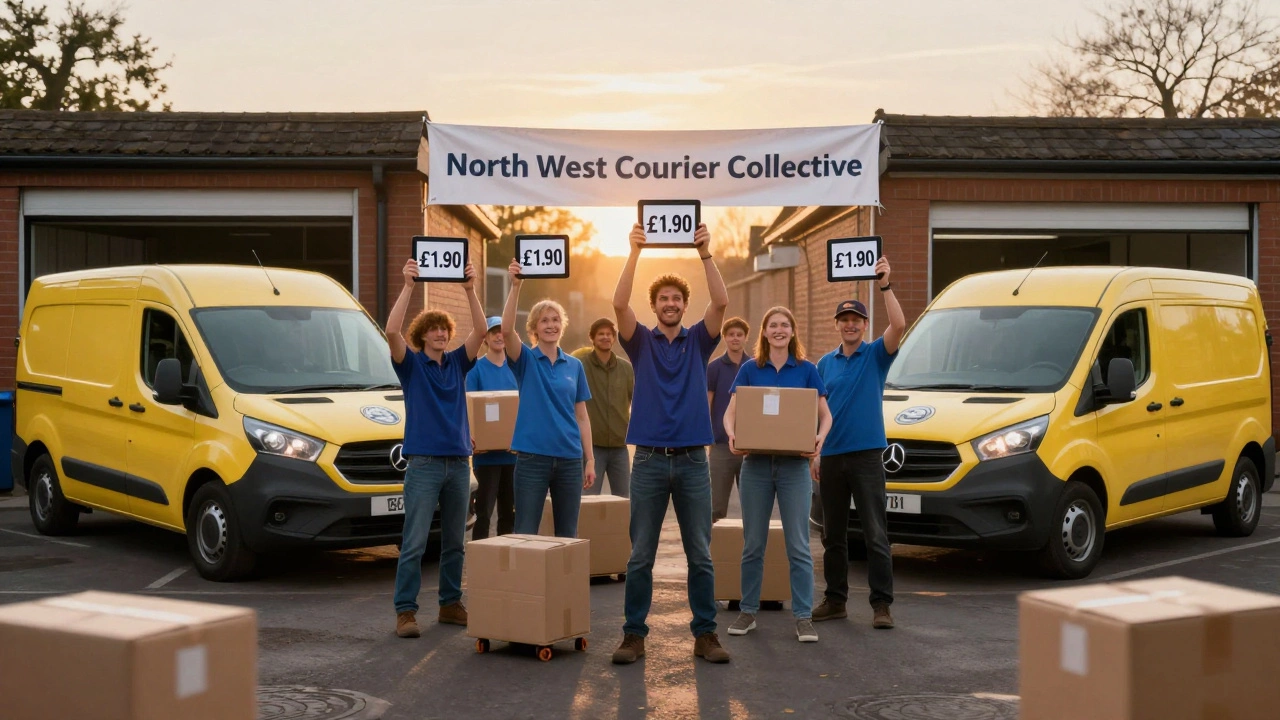
More drivers are banding together. There are now 17 local courier cooperatives across the UK. In Leeds, 42 drivers pooled their vans and started their own delivery service. They pay each other £1.90 per parcel and split marketing costs. They make more. And they’re happy.
Technology is also changing things. Apps like ParcelHero and GoParcel let you compare daily pay rates across companies. You can see which one pays best in your area today. It’s like Uber for couriers.
So yes-couriers get paid per parcel. But the real question isn’t whether you’re paid per parcel. It’s whether you’re paid enough to survive.
Do couriers get paid hourly or per parcel?
Most couriers in the UK are paid per parcel, especially those working for companies like DPD, Hermes, and Yodel. These are usually self-employed contractors. A few, like Royal Mail or Amazon Logistics drivers, are employed on hourly or daily wages with benefits. Pay per parcel is the norm for gig economy delivery roles.
How much do couriers earn per parcel in 2025?
In 2025, couriers typically earn between £1.10 and £2.50 per parcel, depending on location and company. Urban areas like London and Manchester pay more-around £1.60-£2.20. Rural areas pay less, often £1.10-£1.40. After fuel, insurance, and maintenance, net pay often drops to £0.60-£1.00 per parcel.
Are courier pay rates increasing?
Pay rates have barely increased since 2022, even as fuel, insurance, and van maintenance costs have risen sharply. Some companies added temporary Christmas bonuses in 2024, but these were removed in January. Pressure from unions and local councils is pushing for a minimum rate of £1.80 per parcel in 2025, but no national change has been made yet.
Can you make a living as a courier?
Yes, but only if you’re efficient, work long hours, and keep costs low. A courier delivering 120 parcels a day at £1.50 each makes £180 daily. After expenses, that’s around £80-£100 net. To earn £1,500 a month, you’d need to work 6-7 days a week. Many drivers supplement income with side gigs or leave after the holiday rush.
What’s better: employed driver or self-employed courier?
Employed drivers get a steady wage, holiday pay, sick leave, and no van costs-but they earn less per parcel and have less freedom. Self-employed couriers earn more per parcel but pay for everything themselves and risk income drops. Choose employed if you want stability. Choose self-employed if you want control and can handle the financial risk.
Next Steps for Couriers
If you’re already delivering and feel underpaid, start tracking your expenses. Use HMRC’s mileage tracker. Calculate your real net pay per hour. If it’s below £10, you’re working for less than minimum wage.
Look into joining a local courier co-op. They’re growing fast. In Liverpool, the North West Courier Collective now has 63 members. They negotiate better rates and share repair costs.
If you’re thinking of starting, don’t buy a van right away. Test the waters with Amazon Flex or DPD’s driver app. Work a few shifts. See how much you actually take home after fuel and time. Don’t sign a contract until you’ve done the math.
Being a courier isn’t a bad job. But it’s not the free-living gig some ads make it out to be. It’s hard work. And if you’re not careful, it’s easy to end up working 60 hours a week for less than you’d make at a supermarket checkout.