
Online Shopping vs E-Commerce Comparison
Understand the distinction between the consumer experience (Online Shopping) and the broader business ecosystem (E-Commerce).
| Aspect | Online Shopping | E-Commerce |
|---|---|---|
| Primary Focus | User experience and conversion | End-to-end business operations |
| Key Participants | Consumers, retailers | Retailers, suppliers, logistics providers, payment gateways |
| Scope | Narrow (transaction only) | Broad (supply chain, marketing, IT, support) |
| Metrics of Success | Cart abandonment rate, click-through rate | Order accuracy, shipping cost per unit, return rate |
| Technology Used | Websites, apps, payment processors | ERP systems, WMS (Warehouse Management Systems), TMS (Transportation Management Systems) |
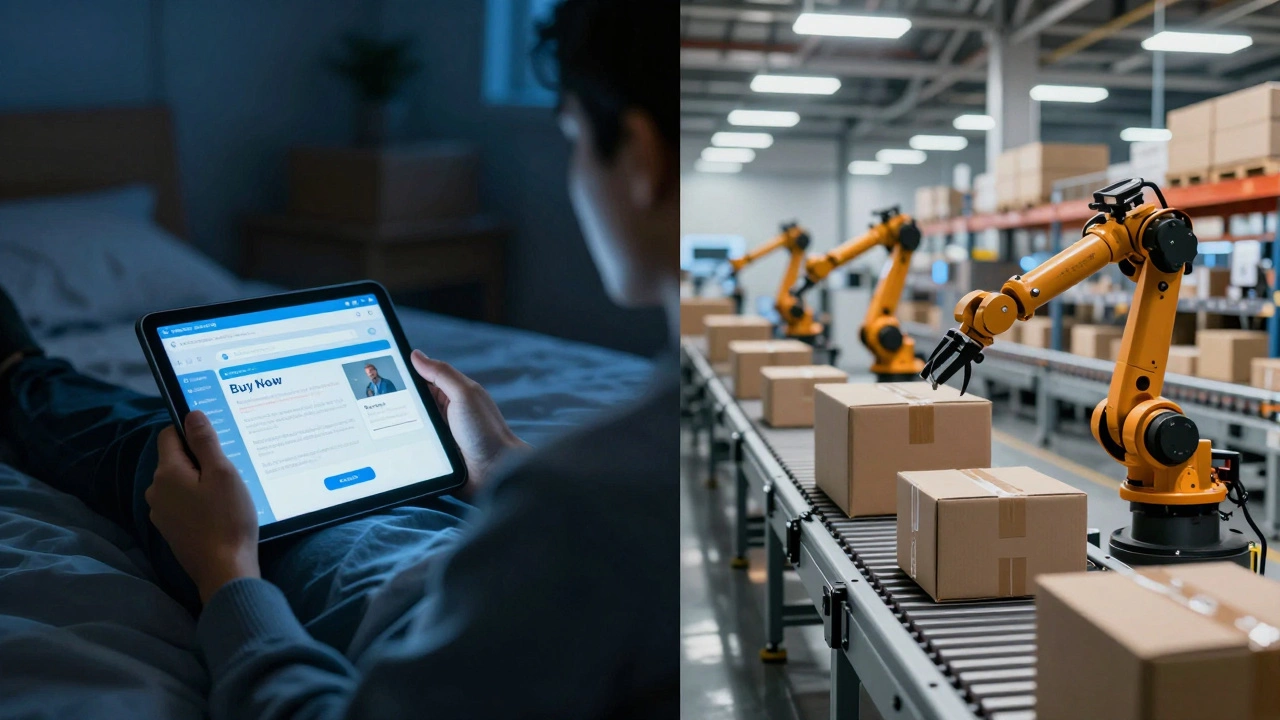
You click "Buy Now" on a laptop at midnight. You get a confirmation email. Two days later, a box arrives at your door. That experience is what most people call online shopping. But behind that simple transaction sits a massive, complex machine known as e-commerce the broader ecosystem of buying and selling goods and services electronically, including the infrastructure, payments, and logistics networks. While we use these terms interchangeably in casual conversation, they represent two very different sides of the same coin. One is the customer experience; the other is the business engine.
If you are trying to understand how products move from warehouses to doorsteps, or if you are building a brand and need to know where to invest your resources, knowing the distinction is crucial. It changes how you look at costs, technology, and customer satisfaction. Let’s break down exactly where one ends and the other begins.
The Customer Viewpoint: Online Shopping Defined
Online shopping is purely a consumer activity. It is the act of purchasing physical goods or digital services through an internet-connected device. When you browse Amazon, check out on Shopify, or order groceries via Instacart, you are online shopping. The focus here is entirely on the user interface, the browsing experience, and the checkout process.
For the shopper, the metrics that matter are speed, price, and convenience. They care about:
- Searchability: Can I find the exact blue sneakers I want?
- Trust signals: Are there reviews? Is the site secure?
- Checkout friction: How many clicks does it take to pay?
- Delivery promises: Will it arrive by Friday?
Online shopping is the tip of the iceberg. It is visible, tangible, and immediate. If the website crashes or the payment gateway fails, the shopping experience stops. There is no product movement because the transaction never completed. In this sense, online shopping is a subset of e-commerce, specifically focused on the B2C (business-to-consumer) retail interaction.
The Business Engine: E-Commerce Explained
E-commerce is the umbrella term. It includes online shopping, but it also encompasses everything that happens before and after the credit card is charged. E-commerce logistics the management of the flow of goods, information, and finances required to deliver products from seller to buyer is the backbone of this model. Without logistics, e-commerce is just a digital catalog with no way to fulfill orders.
Consider the scope. E-commerce includes:
- B2B transactions: A manufacturer ordering raw materials from a supplier online.
- Digital products: Selling software licenses, e-books, or streaming subscriptions.
- Marketplace operations: The algorithms that rank products and handle disputes between buyers and sellers.
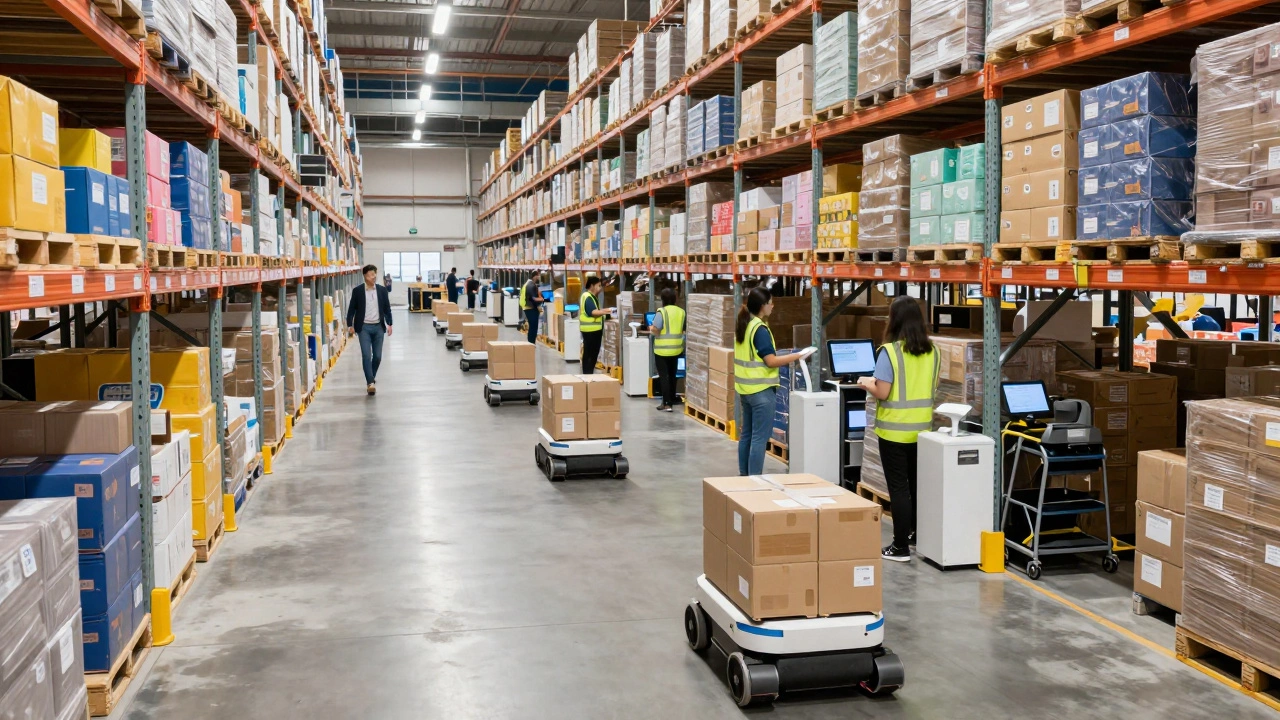
- Fulfillment centers: The warehouses where inventory is stored, picked, packed, and shipped.
When we talk about e-commerce in a professional context, especially regarding logistics, we are talking about the entire supply chain. It involves inventory management systems, last-mile delivery partners, return processing centers, and cross-border customs clearance. The goal of e-commerce is not just to make a sale, but to ensure the product reaches the customer efficiently and cost-effectively.
Where the Lines Blur: The Logistics Connection
This is where the confusion usually starts. For the average person, "online shopping" feels like magic. You click, and it appears. For the business owner, "e-commerce" is a logistical puzzle. The difference lies in visibility. Online shoppers see the result; e-commerce operators manage the process.
Let’s look at a specific example. Imagine you run a small brand selling handmade candles. You set up a website. This is your e-commerce platform. A customer visits and buys three candles. This is online shopping. Now, the real work begins. Your system must update inventory levels, print a packing slip, notify your courier service, and track the shipment. This entire workflow is e-commerce logistics.
If your warehouse runs out of stock, the online shopping experience might still look perfect-the product is listed, the price is clear-but the e-commerce operation has failed because it cannot fulfill the promise. Conversely, if your logistics are flawless but your website is slow and confusing, customers won’t even start the shopping process. Both elements must work in tandem.
| Aspect | Online Shopping | E-Commerce |
|---|---|---|
| Primary Focus | User experience and conversion | End-to-end business operations |
| Key Participants | Consumers, retailers | Retailers, suppliers, logistics providers, payment gateways |
| Scope | Narrow (transaction only) | Broad (supply chain, marketing, IT, support) |
| Metrics of Success | Cart abandonment rate, click-through rate | Order accuracy, shipping cost per unit, return rate |
| Technology Used | Websites, apps, payment processors | ERP systems, WMS (Warehouse Management Systems), TMS (Transportation Management Systems) |
Why the Distinction Matters for Growth
Understanding this difference helps you allocate resources correctly. Many new businesses fail because they focus too much on the "shopping" part-designing beautiful websites-and neglect the "e-commerce" part-building robust logistics.
In 2025 and 2026, consumer expectations have shifted dramatically. Free next-day delivery is no longer a luxury; it is often a baseline expectation. This puts immense pressure on the e-commerce infrastructure. If you treat your business as just an "online store," you might underestimate the complexity of managing returns, which can account for up to 30% of operational costs in fashion e-commerce. Returns are not just a customer service issue; they are a logistics nightmare involving reverse transportation, quality inspection, and restocking.
Furthermore, the rise of social commerce-buying directly through Instagram or TikTok-blurs the line further. The shopping experience happens in a feed, but the e-commerce backend must still handle inventory sync across multiple channels. If your social media post sells out 100 units, but your warehouse system hasn’t updated, you risk overselling and damaging your brand reputation.
The Role of Technology in Bridging the Gap
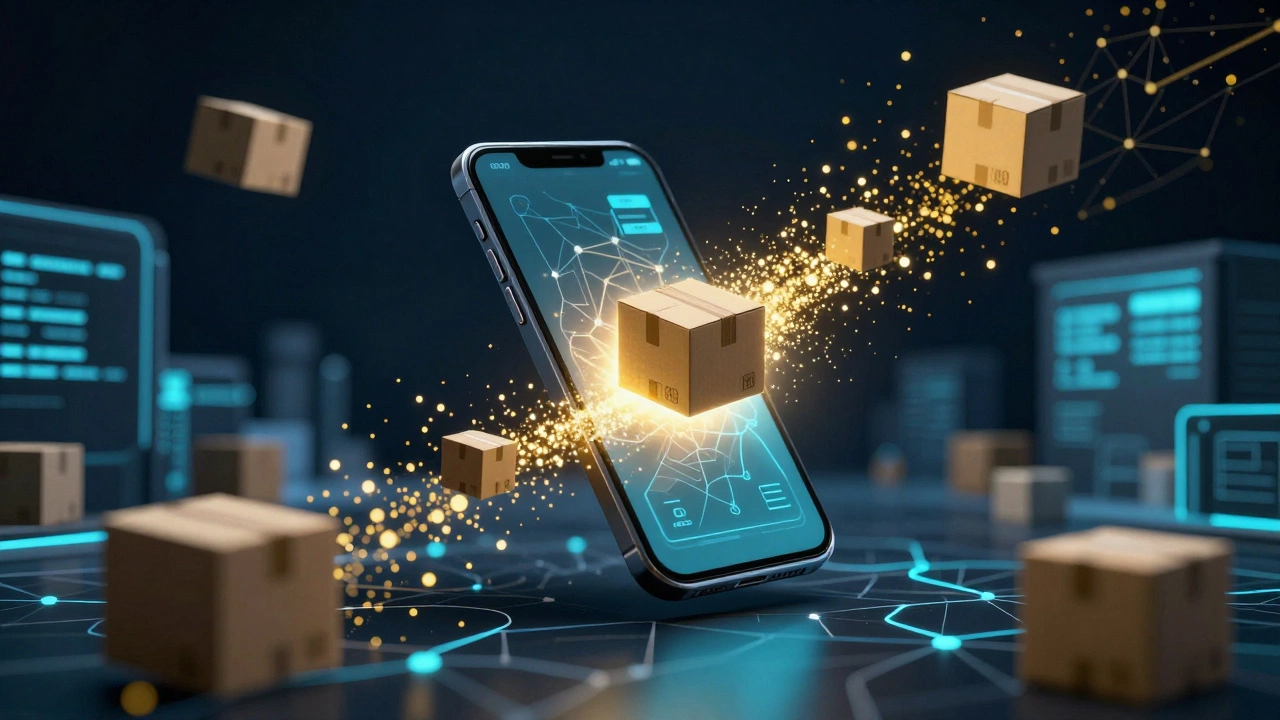
Modern e-commerce relies on seamless integration between the front-end (shopping) and back-end (logistics). APIs (Application Programming Interfaces) allow your website to talk to your warehouse management system in real-time. This means when a customer checks out, the inventory is reserved instantly, preventing double-selling.
Artificial intelligence is also playing a bigger role. Predictive analytics help e-commerce businesses forecast demand, allowing them to position inventory closer to customers before they even shop. This reduces shipping times and costs. For the shopper, this looks like faster delivery. For the business, it’s smarter e-commerce planning.
Automation in warehouses, such as robotic picking arms, speeds up the fulfillment process. This supports the high volume of online shopping orders during peak seasons like Black Friday or Christmas. Without this automation, the e-commerce infrastructure would collapse under the weight of consumer demand.
Common Pitfalls to Avoid
One common mistake is assuming that low shipping costs equal happy customers. While important, reliability matters more. A package that arrives late but is tracked accurately is often better received than one that arrives early but gets lost. Transparency in logistics builds trust in the shopping experience.
Another pitfall is ignoring mobile optimization. Over 70% of online shopping traffic comes from mobile devices. If your e-commerce platform isn’t mobile-friendly, you are losing potential sales before they even happen. However, remember that mobile users often have shorter attention spans, so the checkout process must be streamlined.
Finally, don’t overlook the environmental impact. Consumers are increasingly conscious of their carbon footprint. Sustainable packaging and carbon-neutral shipping options are becoming competitive advantages. Integrating green logistics into your e-commerce strategy can differentiate your brand in a crowded market.
Wrapping Up the Conversation
So, what is the difference? Online shopping is the event; e-commerce is the ecosystem. One is what you do; the other is how it works. For consumers, the distinction doesn’t matter much-they just want their stuff. But for anyone involved in selling, shipping, or supplying goods, understanding the full scope of e-commerce is essential. It forces you to look beyond the website and consider the entire journey of the product. By aligning your shopping experience with a robust logistical backbone, you create a business that can scale, adapt, and satisfy customers in the long run.
Is online shopping the same as e-commerce?
Not exactly. Online shopping is a subset of e-commerce. E-commerce includes all electronic transactions, including B2B sales, digital products, and the underlying logistics infrastructure, while online shopping refers specifically to consumers buying physical goods over the internet.
Which is more important for a new business: website design or logistics?
Both are critical, but logistics often determines long-term survival. A beautiful website brings customers in, but poor logistics leads to negative reviews, high return rates, and lost repeat business. You need a balance, but ensure your fulfillment process is reliable from day one.
How does e-commerce logistics differ from traditional retail logistics?
Traditional retail logistics moves large pallets of goods to a few store locations. E-commerce logistics involves breaking bulk and shipping individual items directly to thousands of different addresses. This requires more complex sorting, packaging, and last-mile delivery coordination.
What are the biggest challenges in e-commerce today?
Key challenges include managing rising shipping costs, handling high return rates, ensuring fast delivery expectations, and integrating multiple sales channels (like social media and marketplaces) into a single inventory system.
Can a business succeed with only online shopping and no dedicated e-commerce team?
For very small businesses, yes. But as volume grows, you will need dedicated systems or teams to manage inventory, shipping, and customer data. Relying solely on manual processes for e-commerce operations usually leads to errors and scalability issues.