
Last Mile Delivery Time Calculator
Get Your Delivery Estimate
How It Works
Based on article data: Urban areas get 1-3 days, rural take 3-7 days. Same-day requires order before 12PM.
Your Delivery Estimate
Enter your details to see your estimate
When you order something online, the final stretch - from the local distribution center to your doorstep - is called last mile delivery. It’s the most expensive and unpredictable part of the whole shipping process. But how long does it actually take? The answer isn’t simple. It depends on where you live, what time you ordered, and who’s delivering it.
Standard last mile delivery times
In most urban areas across the U.S., Canada, Western Europe, and Australia, standard last mile delivery takes 1 to 3 business days. That’s the baseline for carriers like FedEx Ground, UPS Ground, and regional postal services. But don’t assume that’s fast. Many shoppers now expect deliveries faster than that.
Amazon, for example, made two-day shipping the new normal. Then came one-day. Now, in over 20 major metro areas, Amazon offers same-day delivery on thousands of items - if you order before noon. Walmart, Target, and Instacart have followed suit. If you live near a fulfillment center or urban warehouse, you might get your package in under 4 hours.
What makes last mile delivery faster?
Speed isn’t magic. It’s logistics. Here’s what cuts delivery time:
- Proximity to fulfillment centers - If you live within 10 miles of a warehouse, same-day delivery is possible. In cities like New York, Chicago, or Los Angeles, Amazon has over 50 urban fulfillment centers within 5 miles of 70% of residents.
- Order cutoff times - Most same-day services require orders before 12 p.m. or 2 p.m. Orders placed after that window often ship the next day.
- Delivery windows - Some services let you pick a 2-hour slot. That’s not faster - it’s just scheduled. But it reduces failed deliveries, which slows down the whole system.
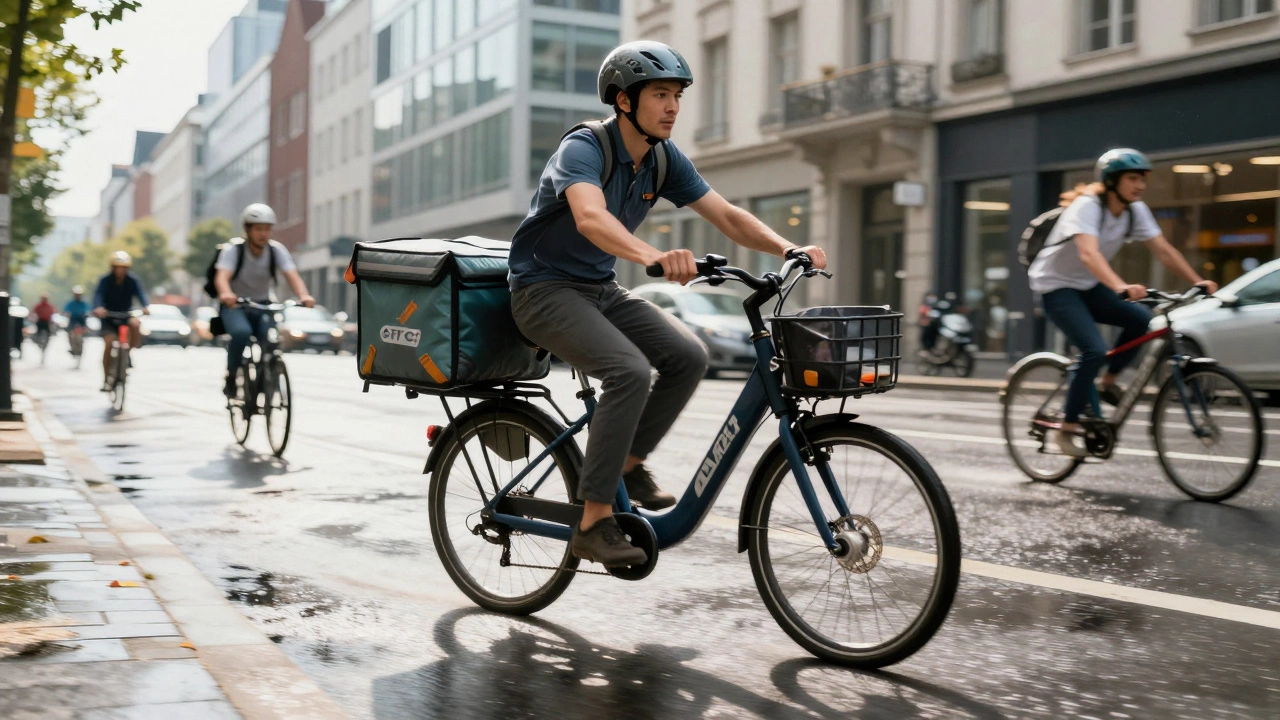
- Local delivery fleets - Companies like DoorDash, Uber Connect, and Postmates use gig workers on bikes and scooters for hyperlocal deliveries. These can move packages 3 to 5 miles in under 60 minutes.
Rural and remote areas: slower by design
If you live outside a city, don’t expect the same speed. In rural counties in the U.S. Midwest or Mountain states, last mile delivery can take 3 to 7 days. Why? Fewer delivery routes. Less population density. Higher cost per package.
The U.S. Postal Service reports that 38% of its delivery points are in rural areas. Those routes often cover 50+ miles just to drop off 15 packages. That’s why rural deliveries aren’t prioritized for speed. Even Amazon’s Prime Two-Day Guarantee doesn’t apply everywhere - check your zip code on the product page. If it says “3-5 business days,” that’s the reality.
What about weekends and holidays?
Most carriers don’t deliver on Sundays - except Amazon and UPS in select areas. If you order on Friday night, you’re likely to get it Tuesday. Holidays make it worse. In 2025, over 12 million U.S. packages were delayed during the Christmas rush because drivers were overwhelmed and warehouses ran out of space.
Some companies now offer “holiday delivery windows” - like ordering by December 10 for guaranteed delivery. That’s become standard. If you’re shopping for gifts, plan ahead. Don’t assume last mile delivery is fast just because the website says “free shipping.”
How do couriers actually move packages the final mile?
It’s not just trucks. In dense cities, delivery teams use:
- Electric cargo bikes - Used in Amsterdam, Berlin, and Portland. They can deliver 20+ packages in an hour without traffic delays.
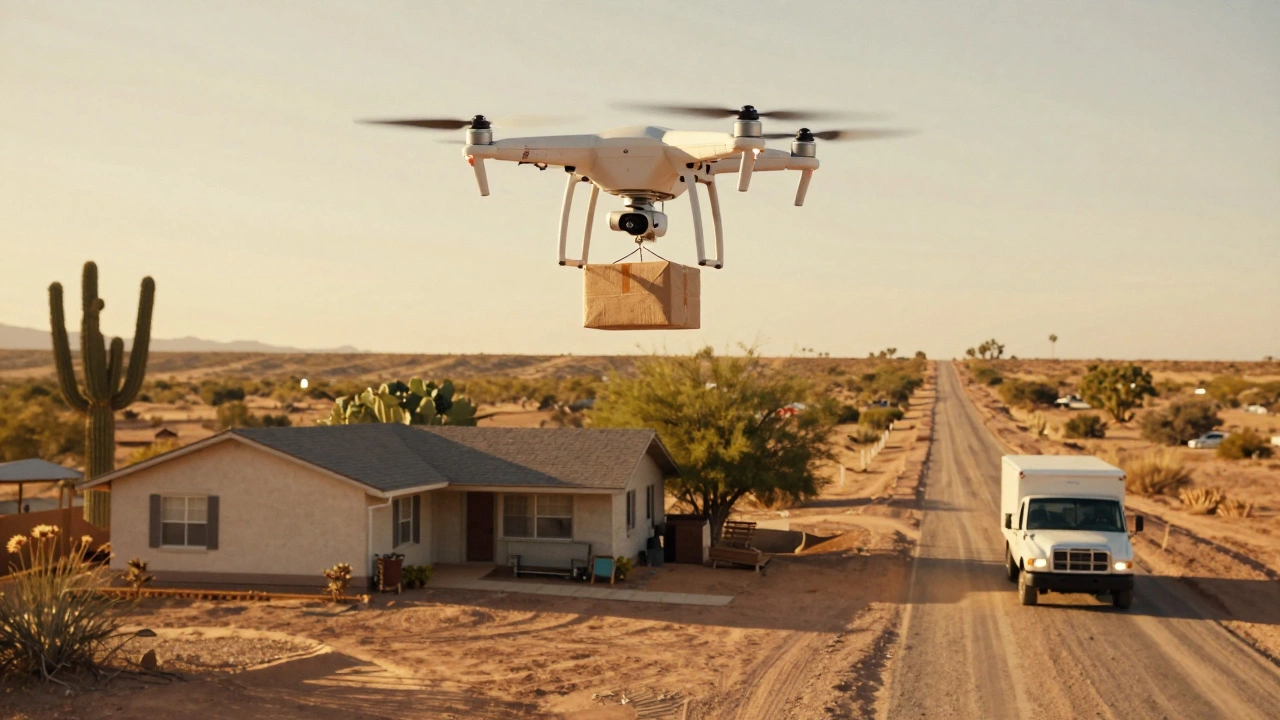
- Drone delivery pilots - Walmart and UPS started limited drone deliveries in 2024. So far, they’re only used in rural areas with no road access - like parts of Florida and Arizona. Delivery time? Under 15 minutes.
- Lockers and pickup points - Amazon Hub, UPS Access Point, and FedEx Locker reduce failed deliveries. If you pick up from a locker, it’s usually ready within 24 hours of the package arriving at the center.
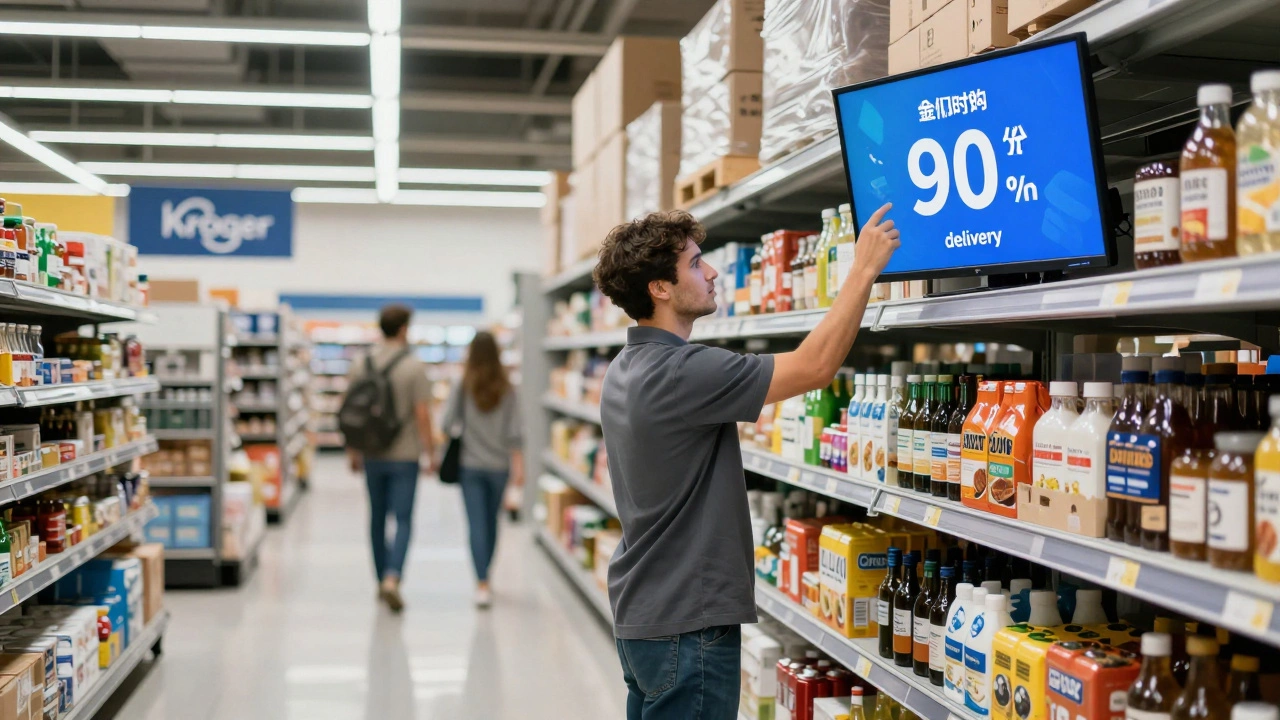
- Micro-fulfillment centers - Grocery chains like Kroger and Albertsons now have tiny warehouses inside stores. You order online, and a worker grabs your items in 10 minutes. Delivery? Sometimes in under 90 minutes.
Real-world examples: What you can expect
Let’s say you order a laptop from Best Buy on a Tuesday at 3 p.m. Here’s what happens:
- Warehouse in Ohio processes the order by 6 p.m.
- Truck leaves for your city at 10 p.m.
- Arrives at local hub in your metro area at 7 a.m. Wednesday.
- Driver loads it onto their van by 8 a.m.
- Delivered to your door by 5 p.m. Wednesday.
That’s 36 hours - typical for standard shipping. But if you ordered the same laptop from Amazon Prime at 11 a.m. on Tuesday in downtown Chicago? It could be at your door by 7 p.m. Tuesday. Same product. Same brand. Totally different delivery time.
Why last mile delivery varies so much
There’s no single rule. Here’s what changes delivery time:
- Population density - More homes per square mile = more efficient routes = faster delivery.
- Traffic patterns - Cities with congestion pricing (like London) have delivery vans that only operate during off-peak hours.
- Weather - Snowstorms in Minneapolis can delay deliveries for 2-3 days. Rain in Seattle? Not a big deal. Heat in Phoenix? Drones shut down.
- Delivery demand - After Black Friday, delivery times balloon. In 2025, UPS reported a 40% increase in delivery duration in the week after the holiday.
What’s changing in 2026?
Last mile delivery is evolving fast:
- AI route planning - Companies now use real-time data to reroute drivers around accidents, construction, or high-demand zones. Delivery windows are shrinking.
- Electric vehicle fleets - FedEx and DHL are replacing 60% of their urban vans with EVs by 2026. EVs are quieter, cheaper to run, and often get priority access in city centers.
- Subscription delivery - Amazon Prime, Walmart+, and Target Circle now include unlimited same-day delivery on eligible items. No minimum order. No fee.
- AI-powered prediction - Apps now tell you not just when your package will arrive, but which exact minute. This is based on historical data from your neighborhood. If your neighbor got a package at 3:17 p.m. last Tuesday, you’ll likely get yours around then too.
By 2026, over 35% of urban deliveries in the U.S. will be completed in under 90 minutes - up from 8% in 2022. That’s not hype. It’s data from the National Retail Federation.
How to get the fastest delivery
Want your package ASAP? Here’s how:
- Order before noon - Most same-day cutoffs are 12 p.m. or 2 p.m.
- Use Amazon Prime, Walmart+, or Target Circle - They have the fastest networks.
- Choose a locker pickup - Faster than waiting at home.
- Check delivery estimates by zip code - Don’t trust the homepage. Look at the product detail page.
- Avoid holidays - Even if it says “free shipping,” delays are guaranteed.
How long does last mile delivery usually take in cities?
In major U.S. and European cities, last mile delivery typically takes 1 to 2 business days for standard shipping. With premium services like Amazon Prime or Walmart Same-Day, you can get it in under 4 hours if you order early enough. Delivery times depend on proximity to fulfillment centers and local demand.
Can last mile delivery take longer than 3 days?
Yes - especially in rural areas, during holiday peaks, or after severe weather. In parts of Montana, Alaska, or the Dakotas, delivery can take 5 to 7 days. Even in cities, if a warehouse runs out of stock or a driver shortage hits, delays can stretch beyond 3 days. Always check the estimated delivery date on the product page.
Do weekends count as delivery days?
Most carriers don’t deliver on weekends - except Amazon and UPS in select areas. If you order Friday night, your package usually won’t leave the hub until Monday. Some services offer Sunday delivery for an extra fee, but it’s not common. Always check the carrier’s schedule before ordering.
Is same-day delivery really possible?
Yes - but only under specific conditions. You need to live near a fulfillment center or urban warehouse, order before the cutoff (usually noon), and choose a service that offers it. Amazon, Walmart, Instacart, and Target provide same-day delivery on thousands of items in over 100 U.S. metro areas. It’s not universal, but it’s growing fast.
Why does my delivery time change after I order?
Your delivery window can shift because of real-time logistics changes: traffic, weather, warehouse delays, or last-minute order volume spikes. Carriers update estimates hourly. If your package gets rerouted from one hub to another, your delivery time can jump by 12-24 hours. That’s normal - not a mistake.
If you’re planning ahead - for a gift, a work deadline, or a special event - always assume last mile delivery will take longer than you hope. Build in a 24-hour buffer. The fastest delivery is still only as good as the last mile. And that’s the part no one controls.