
Amazon Delivery Profitability Calculator
You’ve seen the ads. You’ve heard the whispers in the breakroom or on Reddit forums about drivers quitting their day jobs to "buy a route" and make six figures delivering packages. The idea is seductive: you own your business, you set your schedule, and Amazon handles the marketing and the tech. But here is the hard truth that nobody puts in the glossy brochures: **you generally cannot buy an Amazon delivery route** in the way you might buy a local pizza shop or a dry cleaning business.
If you are looking for a specific price tag-say, $150,000 for a fleet of five vans-you are likely looking at the wrong model. Amazon’s logistics network operates differently than traditional courier franchises like FedEx Ground or UPS. Understanding why this distinction matters is the first step in figuring out how you can actually get paid to deliver for Amazon without getting scammed or signing up for something that doesn't exist.
The Myth of the "Buyable" Route
To understand the cost, we first have to dismantle the concept. In the logistics world, there are two main ways companies expand their delivery footprint: through Delivery Service Partners (DSPs), which are small businesses owned by individuals who manage a fleet of vehicles and employees, and through independent contractors, such as those on the Amazon Flex platform, who use their own personal vehicles.
Neither of these models allows you to simply walk in and purchase a pre-existing route with a guaranteed income stream attached to it. There is no secondary market where one driver sells their daily route to another for cash. If someone is trying to sell you an "Amazon route," they are either selling you access to a third-party software tool that helps you find shifts, or they are running a scam. Amazon retains control over route assignment based on algorithmic efficiency, not ownership.
This confusion often stems from the rise of the DSP program. When Amazon launched its DSP initiative, it allowed entrepreneurs to start a new delivery business. However, even then, you weren't buying a route; you were starting a company from scratch with significant upfront capital requirements. And as of 2024-2025, Amazon has largely paused or significantly restricted new DSP openings in many regions, making this path nearly inaccessible for newcomers.
The Real Cost: Starting a DSP (If You Can)
Let’s look at the only scenario where "buying into" Amazon’s system involves serious money: becoming a Delivery Service Partner. While you don't buy a route, you do invest heavily to launch a micro-franchise-like operation. This is the closest thing to owning a piece of Amazon’s logistics arm.
If you were able to secure a spot in the DSP program (which requires a rigorous application process and often happens only during peak expansion periods), the financial commitment is substantial. Here is what that investment looks like:
- Initial Capital Requirement: Approximately $200,000 to $300,000. This covers the down payment on vehicles, insurance, uniforms, and operational reserves.
- Vehicle Fleet: You must purchase between 10 and 20 electric cargo vans (typically Ford E-Transits or similar). Each van costs roughly $60,000 to $70,000. Amazon may offer financing assistance, but the debt falls on you.
- Working Capital: You need enough cash flow to pay your drivers and cover fuel/electricity costs before Amazon pays you. Amazon typically pays DSPs weekly or bi-weekly, but you must pay your staff every other week or monthly depending on local laws.
- Licensing and Insurance: Commercial auto insurance for a fleet of EVs is expensive. Expect to spend $15,000 to $30,000 annually on premiums alone.
In exchange for this capital outlay, Amazon provides the vehicles, the branding, the technology stack, and the contracts. Your profit comes from the difference between what Amazon pays per stop and what you pay your drivers plus overhead. It is a volume game. You are not buying a route; you are buying a business license to operate within Amazon’s ecosystem.
| Feature | DSP Owner | Amazon Flex Driver | Traditional Courier Franchise |
|---|---|---|---|
| Upfront Investment | $200k - $300k+ | $0 - $500 (background check) | $50k - $150k |
| Ownership Type | Business Entity | Independent Contractor | Franchise License |
| Route Control | Low (Algorithm-driven) | None (Block-based) | High (Territory rights) |
| Revenue Model | Profit Margin on Stops | Hourly/Delivery Rate | Franchise Fee + Volume |
| Scalability | High (Hire more drivers) | Low (Personal time limit) | Medium (Multi-unit) |
The Accessible Path: Amazon Flex and Third-Party Apps
For most people asking "how much does it cost to buy a route," the answer is actually zero dollars-if you qualify. The primary way individuals earn money delivering for Amazon today is through Amazon Flex, which is a gig-economy platform that allows users to rent blocks of time to deliver packages using their personal vehicle.
There is no fee to join Amazon Flex. You download the app, pass a background check, and start accepting "blocks." These blocks are essentially temporary routes assigned to you for a few hours. The pay varies by city and demand, typically ranging from $18 to $25 per hour, though some high-demand blocks in major metropolitan areas like New York or London can push higher.
However, because supply often exceeds demand, getting consistent, high-paying blocks is competitive. This has given rise to a gray market of "route finding services." These are not official Amazon products. They are third-party apps or bots that scan for available blocks faster than humans can. Some of these services charge a subscription fee of $20 to $50 per month. Others claim to "sell" you a block for a flat fee. Be extremely cautious here. Using unauthorized bots violates Amazon’s Terms of Service and can get your account permanently banned. You are risking your ability to earn for a marginal gain in convenience.

Why You Can’t Just Buy a Route Like a Pizza Shop
To really grasp why Amazon doesn't sell routes, compare it to a traditional franchise like Domino's or a local courier service. In those models, you pay a franchise fee for exclusive territory rights. You own that zip code. Amazon’s model is built on dynamic routing algorithms. Routes change every single day based on order volume, traffic patterns, and warehouse capacity.
A route that is profitable on Tuesday might be unprofitable on Wednesday if order volume drops. Therefore, there is no fixed asset value to a "route." It is a fluid resource. Selling a static route would be impossible because the route itself ceases to exist after each delivery cycle. This dynamic nature protects Amazon from liability but removes the asset-backed security that traditional franchise buyers look for.
Furthermore, Amazon’s strategy is to keep labor costs variable. By relying on independent contractors (Flex) and small business partners (DSPs) rather than full-time employees for last-mile delivery, they avoid long-term pension and healthcare liabilities. Allowing individuals to "buy" routes would create a class of semi-permanent owners with expectations of stable, guaranteed income, which contradicts their flexible labor model.
Hidden Costs and Risks to Consider
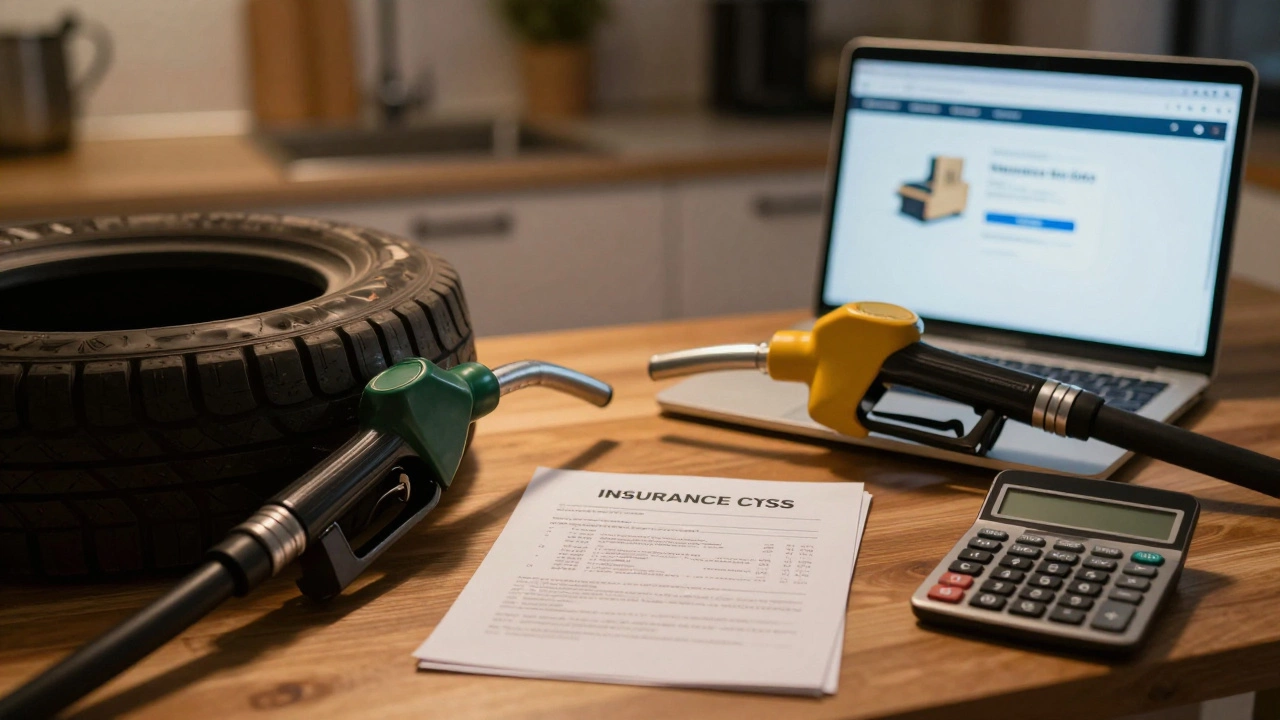
Even if you aren't spending hundreds of thousands on a DSP, entering the Amazon delivery ecosystem has costs that aren't immediately obvious. If you are considering Amazon Flex or a similar gig model, factor these in:
- Vehicle Wear and Tear: You are driving your personal car or van. Amazon does not reimburse you for depreciation, oil changes, or tire replacements. For a dedicated Flex driver, this can amount to $1,000 to $2,000 annually in maintenance.
- Fuel/Electricity Costs: Gas prices fluctuate. If you drive a gas-powered SUV, fuel can eat up 30% to 40% of your earnings. Electric vehicles reduce this cost but require home charging infrastructure, which may involve installation fees.
- Insurance Gaps: Standard personal auto insurance policies often exclude commercial deliveries. If you get into an accident while delivering for Amazon Flex, your insurer may deny the claim. You may need a rideshare/delivery endorsement, which adds $200 to $500 to your annual premium.
- Tax Complexity: As an independent contractor, you are responsible for self-employment taxes. In the US, this is roughly 15.3% on top of income tax. You must track every mile and expense meticulously. Failing to do so can result in significant tax bills come April.
Alternatives to Buying an Amazon Route
If your goal is to own a delivery business with predictable income, Amazon might not be the right fit. Consider these alternatives that actually allow for route acquisition or territory ownership:
- FedEx Ground Independent Contractors: FedEx operates on a hub-and-spoke model where independent contractors own their hubs and routes. You can buy an existing FedEx Ground route. Prices vary wildly by location and volume, but a typical route in a suburban area might cost between $100,000 and $300,000. You employ your own drivers and keep the profit margin.
- UPS Store Franchises: While not purely delivery, UPS Stores handle shipping and logistics. Franchise fees range from $45,000 to $130,000, with total investments up to $500,000. You get a branded location and steady business flow.
- Last-Mile Logistics Startups: Companies like Roadie or Lalamove operate differently. While they don't sell routes, they offer more flexible earning structures for carriers who want to build a brand around same-day delivery.
- Local Courier Contracts:** Instead of a national giant, approach local e-commerce businesses or restaurants. Negotiate exclusive delivery contracts for their neighborhoods. This allows you to build a "route" organically and charge premium rates for reliability.
Decision Checklist: Is It Worth It?
Before you commit any time or money to delivering for Amazon, run through this checklist. If you answer "no" to more than two of these, you might want to reconsider.
- Do I have a reliable vehicle with under 100,000 miles?
- Am I prepared to work weekends and holidays when pay rates are highest?
- Do I have a separate bank account to track business expenses for tax purposes?
- Is my personal auto insurance updated to cover commercial deliveries?
- Am I okay with having no guaranteed income and fluctuating schedules?
- Have I calculated my hourly wage after deducting fuel and wear-and-tear?
The reality is that Amazon delivery is a job, not an investment property. It offers flexibility and immediate cash flow, but it lacks the equity buildup of owning a franchise or a route. You trade your time and vehicle for money, and when you stop working, the income stops. There is no residual value in the "route" itself.
Can I buy an existing Amazon Flex driver's account?
No. Amazon strictly prohibits the transfer or sale of accounts. Doing so will result in an immediate and permanent ban for both parties. Additionally, sharing login credentials violates their terms of service.
How much does it cost to start a DSP?
Starting a Delivery Service Partner requires approximately $200,000 to $300,000 in initial capital. This covers vehicle down payments, insurance, uniforms, and working capital. Note that new DSP applications are currently limited in many regions.
Are there any fees to join Amazon Flex?
There are no fees to sign up for Amazon Flex. The background check is free. However, you must cover your own vehicle costs, fuel, and insurance.
What is the average hourly pay for Amazon delivery drivers?
Amazon Flex drivers typically earn between $18 and $25 per hour before expenses. DSP drivers (employees of the partner) earn minimum wage or slightly above, depending on local regulations, while the DSP owner keeps the profit margin.
Can I negotiate my route with Amazon?
No. Routes are assigned by Amazon’s proprietary algorithms based on efficiency, package density, and driver history. Drivers cannot choose or negotiate specific addresses or neighborhoods.