

Express Delivery Time Estimator
What type of shipment are you sending?
There is a specific kind of anxiety that comes with hitting 'buy' on an online store. You need the item for tomorrow morning, or perhaps you’re rushing to fix a critical supply chain gap at work. The label says express delivery is a premium shipping service designed for rapid transit, often prioritizing speed over cost. But what does that actually mean in terms of hours? If you order today, will it arrive by lunchtime, or are you looking at next afternoon?
The short answer is: it depends entirely on where you are, where the package is coming from, and which carrier handles the handoff. In 2026, the definition of 'fast' has shifted. Same-day isn't just a luxury anymore; it's an expectation in major urban centers. However, outside those hubs, the clock ticks differently.
The Standard Express Timeline
When most people say 'express,' they are usually referring to standard overnight services offered by major carriers like UPS, FedEx, and DHL. These companies operate massive air networks that prioritize packages labeled as urgent.
For domestic shipments within a single country-let’s say, sending a package from Liverpool to London, or New York to Chicago-the timeline is typically 24 hours. Here is how that breaks down:
- Cut-off Times Matter: If you drop off your package before 2 PM local time, it usually makes it onto that evening’s flight. You can expect delivery the next business day by 10 AM or noon.
- The Weekend Gap: Most standard express services do not run on weekends unless you pay for a specialized 'Saturday Guarantee.' If you ship on Friday afternoon, your package sits in a warehouse until Monday morning.
- Business Days Only: Express clocks stop ticking on public holidays. A shipment leaving on the day before Christmas won’t arrive on Christmas Day.
This 24-hour window is the industry standard for 'express.' It is reliable, predictable, and widely available. But if you need it faster than that, you have to move up the speed ladder.
Same-Day and Next-Morning Services
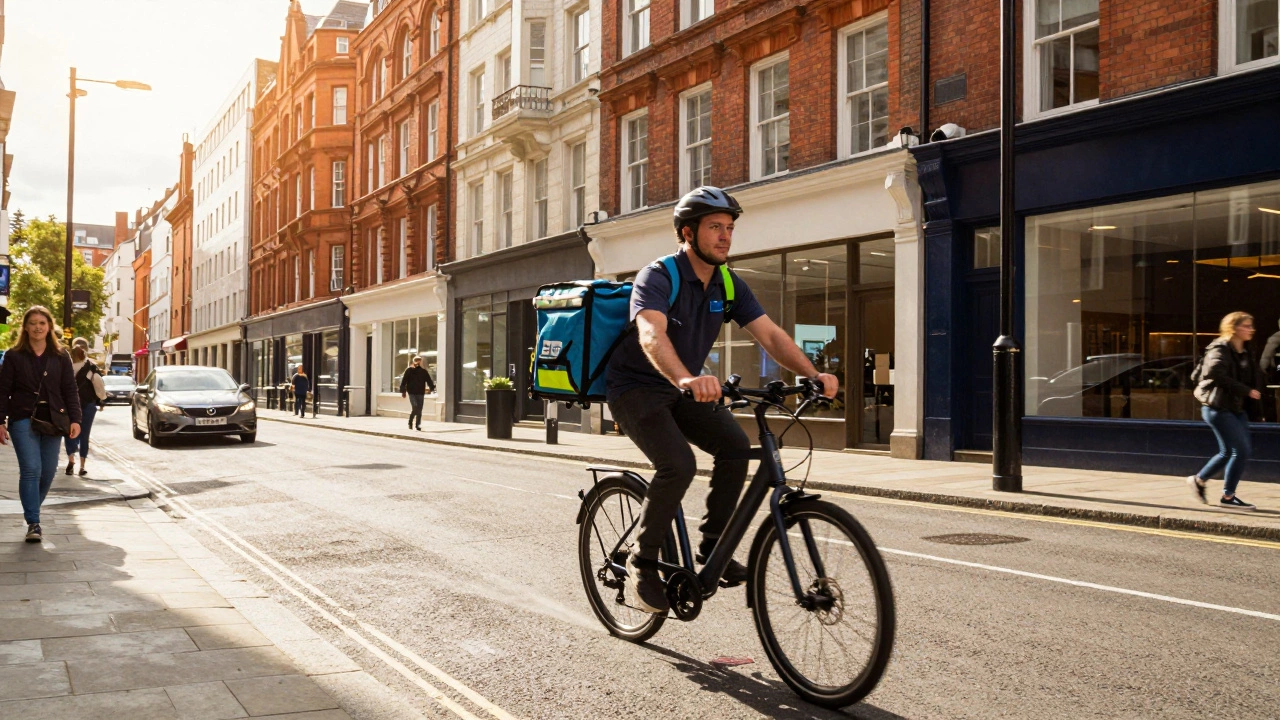
In recent years, the rise of e-commerce giants like Amazon and Walmart has forced traditional couriers to adapt. Now, 'express' often means same-day delivery in metropolitan areas.
How does this work? It relies on localized fulfillment centers. Instead of shipping a product from a central warehouse across the country, the item is already sitting in a micro-fulfillment center near the customer. When you order, a local driver picks it up and delivers it within 4 to 8 hours.
This model works best for:
- Dense Urban Areas: Cities like London, New York, Tokyo, and Sydney have high population density, making route optimization efficient.
- High-Value Items: Electronics, medical supplies, and legal documents often justify the premium cost of same-day courier services.
- Emergency Restocking: Businesses use these services to keep shelves stocked without holding large amounts of inventory.
If you are ordering from a retailer that doesn’t have a local hub, same-day delivery is unlikely. In those cases, 'next-morning' is the fastest realistic option. This requires the seller to process and hand off the package early in the morning so it can travel via dedicated air freight overnight.
International Express: The Distance Factor
Things get complicated when borders are involved. International express delivery is not just about flying faster; it’s about clearing customs efficiently. Even if a plane takes off immediately, your package can get stuck at the destination airport for 24 to 48 hours while officials inspect it.
| Route Type | Estimated Time | Key Bottleneck |
|---|---|---|
| North America ↔ Europe | 1-3 Business Days | Customs clearance at entry point |
| Europe ↔ Asia | 2-4 Business Days | Flight connections and documentation |
| Domestic (within EU/US) | Next Day | Last-mile traffic congestion |
| Remote Regions | 3-5 Business Days | Lack of direct flight routes |
Note that 'business days' excludes weekends and holidays in both the origin and destination countries. Also, ensure your commercial invoice is accurate. Missing or incorrect details on the paperwork are the number one reason international express shipments get delayed. A quick customs hold can turn a 2-day trip into a 5-day ordeal.
Factors That Slow Down Express Shipping
You’ve paid for speed, but your package arrives late. Why does this happen? It’s rarely because the truck broke down. More often, it’s due to systemic issues outside the carrier’s control.
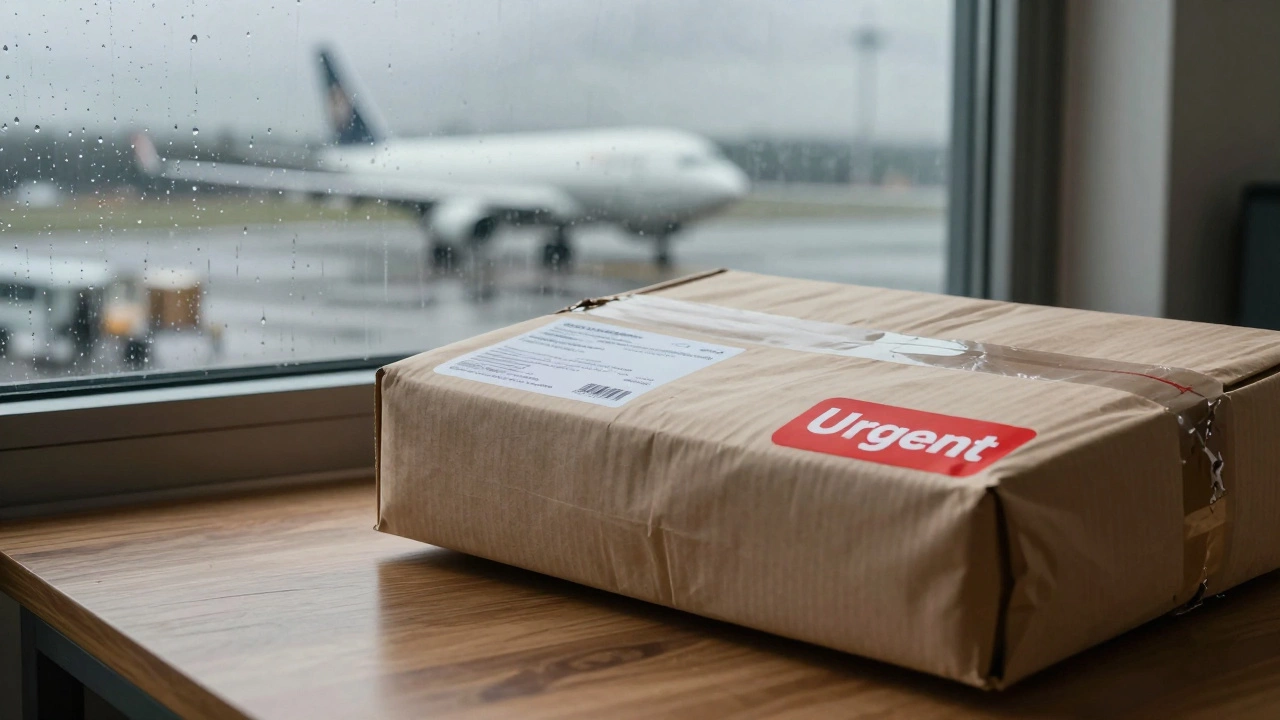
Weather Events are the biggest disruptor. Heavy snow, hurricanes, or severe fog can ground flights and close roads. Carriers will delay deliveries rather than risk safety. In 2026, climate-related disruptions are more frequent, making weather checks essential before scheduling critical shipments.
Address Accuracy is another silent killer. If your address is missing an apartment number or has a typo, the driver may skip the first attempt. They will leave a notice and try again the next day. This instantly adds 24 hours to your timeline. Always double-check your shipping address before confirming the order.
Pickup Delays also play a role. If you are sending a package yourself, missing the carrier’s pickup window means your package stays in your house overnight. It won’t start moving until the next day. For businesses, integrating directly with carrier APIs ensures pickups are scheduled automatically, reducing human error.
How to Ensure Your Express Package Arrives On Time
If you rely on express delivery for critical needs, you need a strategy. Relying on luck isn’t enough. Here are practical steps to minimize delays:
- Ship Early: Aim to send packages by midday. This gives the carrier ample time to sort and load them onto the correct transport mode.
- Use Tracking Proactively: Don’t wait for the delivery notification. Check the tracking status every few hours. If you see a 'held at facility' alert, contact the carrier immediately.
- Choose Reliable Carriers: Stick with established players like DHL, FedEx, UPS, or regional leaders like Royal Mail (in the UK) or USPS Priority Mail (in the US). They have the infrastructure to handle exceptions.
- Avoid Peak Seasons: During Black Friday, Christmas, and back-to-school periods, even express lanes get congested. Plan ahead and ship earlier than usual.
- Verify Customs Docs: For international shipments, ensure the HS code and value are declared correctly. This speeds up clearance significantly.
Also, consider using a logistics platform that offers multiple carrier options. Tools like EasyPost or Shippo allow you to compare rates and delivery times in real-time. Sometimes, a slightly different carrier might offer a faster route for the same price.
The Cost of Speed
Express delivery is expensive. Why? Because it requires dedicated resources. Regular parcels share trucks and planes with thousands of others. Express packages get priority handling, separate sorting facilities, and sometimes dedicated flights.
In 2026, prices vary widely based on weight, distance, and urgency. A small document sent domestically might cost $15-$25. A heavy box sent internationally could exceed $100. Always weigh your package accurately before buying a label. Overestimating weight can lead to unexpected fees, while underestimating can cause delays if the carrier discovers the discrepancy.
Is it worth it? For personal gifts, maybe not. For business-critical parts, legal documents, or medical supplies, absolutely. The cost of a delayed project or missed deadline far outweighs the shipping fee.
Does express delivery include weekends?
Standard express delivery typically operates Monday through Friday. To receive a package on Saturday, you must specifically select a 'Saturday Delivery' option, which usually incurs an additional fee. Sunday delivery is rare and mostly limited to specific premium services in certain regions.
What happens if my express package is delayed?
If a carrier misses their guaranteed delivery time, you are often eligible for a refund of the shipping charges. Check the carrier's 'Service Commitment' page for details. You’ll need to file a claim within a specific timeframe, usually 7-14 days after the expected delivery date.
Can I track my express package in real-time?
Yes, all major express carriers provide real-time tracking. You can see exactly where your package is, including scan events at sorting facilities and out-for-delivery updates. Some services even offer GPS-based live tracking during the final mile.
Is express delivery insured?
Most express services include basic insurance coverage, often up to $100. For higher-value items, you should purchase additional declared value coverage. This protects you against loss or damage during transit.
Why did my express package take longer than expected?
Common reasons include customs holds (for international shipments), incorrect addresses, weather disruptions, or high volume during peak seasons. Always check the tracking status for specific delay codes.