

Logistics Salary Calculator
Calculate Your Entry-Level Earnings
See realistic salary estimates for beginner logistics roles across UK regions
Results
Key Details
Warehouse Operative: £11-£13/hr in UK
Delivery Driver: £13-£17/hr with license
Based on industry data from UK job boards (Indeed, Reed, Totaljobs) and logistics industry reports. Rates shown include £2.50/hour average overtime premium for entry-level roles.
Want to work in logistics but don’t know where to start? You’re not alone. Every year, thousands of people in the UK and across Europe switch into logistics - not because it’s glamorous, but because it’s stable, growing, and full of real opportunities. The sector isn’t just about trucks and warehouses anymore. It’s data, automation, global supply chains, and people who keep everything moving. If you’re ready to build a career here, this guide breaks down exactly how to get in - no experience needed.
Understand What the Logistics Industry Actually Does
Before you apply for a job, you need to know what you’re getting into. Logistics isn’t just delivery. It’s the entire system behind getting products from factories to doorsteps. That includes planning routes, managing inventory, coordinating with suppliers, handling customs, and using software to track shipments in real time. Think of it like a giant puzzle where every piece - from a warehouse worker to a drone operator - has to fit perfectly.
Major players in this space include DHL, FedEx, Amazon Logistics, UPS, and regional firms like UK Mail and DX Freight. These companies don’t just move boxes. They run complex networks that handle millions of items daily. If you work for one of them, you could be in a warehouse, on a delivery van, in an office managing schedules, or even coding systems that optimize delivery routes.
Start With Entry-Level Roles - No Degree Required
You don’t need a university degree to break into logistics. Most people start with hands-on roles that pay decently and offer clear paths forward. Here are the most common entry points:
- Warehouse Operative: Loading, packing, scanning, and sorting goods. Basic training is provided on-site. Pay starts around £11-£13/hour in the UK.
- Delivery Driver: Local or regional routes. You’ll need a clean driving license (Class C1 for vans, Class HGV for larger trucks). Many companies pay for your license training.
- Warehouse Picker/Packer: Working on the floor, picking items from shelves and packing them for shipment. Good for people who like routine and physical work.
- Logistics Coordinator (Admin): Answering phones, updating systems, scheduling pickups. Requires basic computer skills and attention to detail.
These roles are everywhere. Check job boards like Indeed, Reed, and Totaljobs. Search for “entry level logistics” or “no experience needed.” Many companies hire weekly. Some even offer same-day interviews.
Get Certified - Even If You’re Just Starting
While degrees aren’t required, certifications are. They show employers you’re serious. Here are the most valuable ones for beginners:
- IOSH Managing Safely: A basic health and safety certificate. Most warehouses require this. Costs around £150-£200. Done online in 1-2 days. CPD Accredited Logistics Certificate: Offered by institutions like the Chartered Institute of Logistics and Transport (CILT). Covers supply chain basics. Costs £100-£180. You can do it part-time while working.
- Forklift License: If you want to move beyond packing, this opens doors. A 1-3 day course costs £200-£300. Many employers pay for it if you commit to staying.
- ADR Certificate: Required if you’ll handle hazardous goods (like chemicals or batteries). Not needed for beginners, but worth knowing about.
These aren’t fancy credentials - but they make you stand out. One warehouse manager in Manchester told me he hired three people last month who had IOSH certs. None had prior experience. They just showed up prepared.
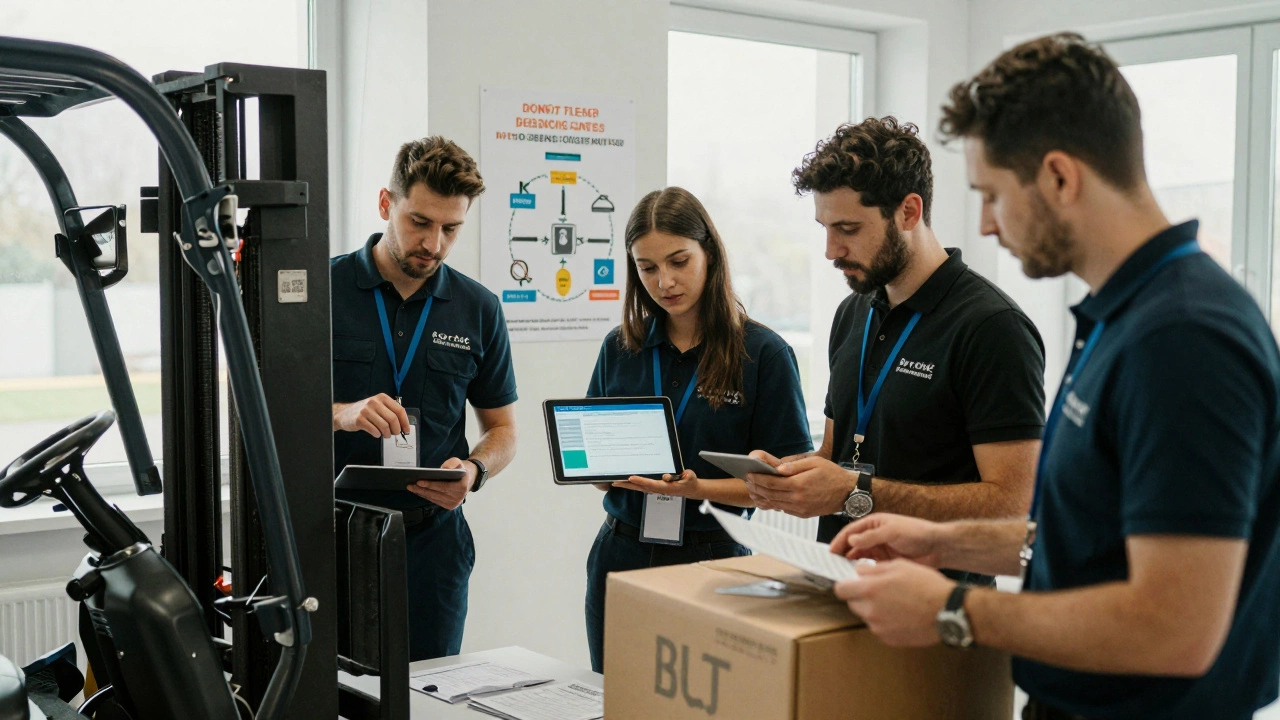
Learn the Tools - Even If You’re Not a Tech Person
Logistics runs on software. You don’t need to be a coder, but you should know the basics. Here are the systems you’ll likely use:
- WMS (Warehouse Management System): Think of it as a digital checklist for every box. Systems like SAP EWM, Oracle WMS, or Fishbowl are common.
- TMS (Transportation Management System): Used to plan routes, assign drivers, and track deliveries. PeopleSoft TMS and Blue Yonder are widely used.
- ERP Systems: Enterprise Resource Planning tools like Microsoft Dynamics 365 or Oracle ERP tie inventory, orders, and shipments together.
You don’t need to master these before you apply. But if you can say, “I’ve used a WMS in training,” or “I learned how to scan barcodes in a simulation,” you’ll impress hiring managers. Free demos of these systems are online. Spend 30 minutes a day exploring them. YouTube tutorials on “WMS for beginners” are surprisingly helpful.
Network - It’s Not Just About Who You Know
Logistics is a tight-knit industry. People move between companies, and referrals matter. Here’s how to connect:
- Join the Chartered Institute of Logistics and Transport (CILT). Student membership is £45/year. Attend their local events - they happen monthly in cities like Liverpool, Birmingham, and Leeds.
- Follow logistics companies on LinkedIn. Comment on their posts. Ask questions like, “What’s the biggest challenge in your warehouse right now?” Most managers reply.
- Volunteer at a local charity warehouse. Many food banks need help sorting donations. It’s unpaid, but you’ll learn how logistics works on the ground - and get a reference.
One woman from Stoke started volunteering at a food bank after losing her retail job. Six months later, she got hired as a warehouse supervisor at a logistics firm that partnered with the charity. She didn’t have a degree. She just showed up, worked hard, and asked questions.
Move Up - From Operative to Supervisor
Once you’re in, the next step is advancement. Most logistics companies promote from within. Here’s how to climb:
- Take on extra tasks - help with inventory counts, train new staff, suggest better packing methods.
- Ask for feedback. Say: “What do I need to do to move into a supervisory role?”
- Apply for internal job postings. Many companies list openings only for current employees.
- Pursue a Level 2 or Level 3 Diploma in Logistics and Supply Chain (offered by City & Guilds). These are part-time, funded by employers in many cases.
After 1-2 years, you could be a team leader. After 3-5, a warehouse manager. Some people become operations managers by 30. The path isn’t flashy - but it’s real.

Watch Out for These Mistakes
Not everyone who tries to get into logistics makes it. Here are the top three mistakes I’ve seen:
- Thinking it’s just “lorry driving.” Logistics is more than delivery. If you only want to drive, you’ll miss out on higher-paying roles in planning, tech, or management.
- Waiting for the perfect job. There’s no “ideal” entry point. Start anywhere - warehouse, dispatch, admin. You’ll learn faster on the job than in a classroom.
- Ignoring soft skills. Punctuality, communication, problem-solving - these matter more than you think. A driver who shows up late or can’t read a delivery note causes delays across the whole network.
Where the Jobs Are in 2026
Logistics hiring is booming. Here’s where the demand is highest right now:
- North West England - Manchester, Liverpool, and Warrington are hubs for e-commerce fulfillment centers.
- East Midlands - Derby and Nottingham have major distribution centers for Amazon, Asda, and JD Sports.
- London and South East - High volume, high competition. Best for people with experience or transport licenses.
- Scotland and Wales - Growing fast. Companies are opening new warehouses to serve local markets.
Don’t wait for a job in your hometown. Be willing to relocate - even temporarily. A six-month move to Manchester could jumpstart your career.
What’s Next? Your 90-Day Plan
Here’s a simple roadmap to get started in the next three months:
- Week 1-2: Research three logistics companies near you. Visit their careers pages. Note what roles they’re hiring for.
- Week 3-4: Apply for one entry-level job. Even if you don’t meet all the requirements. Send a short, honest cover letter: “I’m new to logistics but I’m reliable and eager to learn.”
- Week 5-8: Enroll in an IOSH Managing Safely course. It’s affordable, fast, and makes you more hireable.
- Week 9-12: If you don’t get hired yet, volunteer at a local charity warehouse. Build experience and references.
That’s it. No fluff. No theory. Just action.
Do I need a degree to work in logistics?
No, you don’t. Most entry-level roles - like warehouse operative or delivery driver - don’t require a degree. Employers value reliability, punctuality, and willingness to learn more than academic qualifications. Certifications like IOSH Managing Safely or a forklift license matter more at this stage.
How much can I earn starting out in logistics?
Entry-level roles pay between £11 and £15 per hour in the UK, depending on location and role. Warehouse operatives and packers usually start at £11-£13/hour. Delivery drivers with a van license can earn £13-£17/hour, especially with overtime. After two years, many people earn £25,000-£35,000 a year with promotions.
Is logistics a good career for older workers?
Yes. Many people over 40 switch into logistics after leaving retail, construction, or manufacturing. The work is physical but structured, and companies appreciate experience with responsibility and routine. Age discrimination is rare in this sector - performance matters more than age.
Can I work in logistics without a driving license?
Absolutely. Many roles don’t require driving at all - warehouse operatives, dispatch clerks, inventory controllers, and logistics coordinators all work behind the scenes. You can start in one of these roles and later get your license if you want to move into delivery.
How long does it take to get promoted in logistics?
Most people are promoted to team leader or supervisor within 1-2 years if they show initiative. Companies with strong internal training programs often fill leadership roles from within. Taking a Level 2 Diploma in Logistics or volunteering for extra tasks can cut that time in half.
If you’re serious about building a future in logistics, start today. Apply for one job. Sign up for one certification. Show up. The industry doesn’t need perfect candidates - it needs reliable ones. And you’re already on the path.