

Logistics Career Path & Salary Estimator
Select roles that interest you to see potential earnings:
Specialized roles requiring 2-5 years experience:
Leadership & strategic roles:
Your Career Estimate
Based on selected roles and skills
Select roles and skills on the left, then click "Calculate Potential Earnings" to see your estimated salary range.
Ever wonder how your online order arrives at your door three days after you click 'buy'? It’s not magic. It’s logistics. And behind every smooth delivery is a complex web of people making decisions, moving goods, and solving problems in real-time.
If you’re curious about working in this field, you might be asking: what is a career path in logistics? The short answer? It’s rarely a straight line. Most professionals start in one area-like warehouse operations or transportation-and branch out into planning, analytics, or global strategy as they gain experience.
Why Logistics Careers Are Growing Fast
The logistics industry isn’t just about trucks and warehouses anymore. With e-commerce booming and consumer expectations rising, companies need smarter systems to move products faster and cheaper. According to the U.S. Bureau of Labor Statistics, employment in logistics-related fields like transportation, storage, and material moving is projected to grow by 5% between 2022 and 2032. That’s faster than average for all occupations.
In the UK, the Chartered Institute of Logistics and Transport (CILT) reports that over 60% of logistics managers now use data analytics tools daily. This shift means there’s more demand for tech-savvy workers who can interpret data, optimize routes, and manage digital platforms-not just those who know how to load a truck.
This growth creates opportunities across multiple levels: entry-level roles with no degree required, mid-career positions needing specialized skills, and executive roles focused on global supply chains. Whether you prefer hands-on work or strategic thinking, there’s likely a spot for you.
Entry-Level Roles: Where Most People Start
Most people enter logistics through operational roles. These jobs give you direct exposure to how goods move from point A to point B. Here are some common starting points:
- Warehouse Associate: You’ll handle receiving, sorting, packing, and shipping items. Many large retailers like Amazon hire thousands of warehouse staff annually. Starting pay ranges from £12-£15 per hour depending on location and shift hours.
- Forklift Operator: Requires certification but offers higher wages (£14-£18/hour). Forklift operators play a critical role in ensuring inventory moves safely within distribution centers.
- Dispatch Coordinator: Acts as the link between drivers and customers. Responsibilities include scheduling deliveries, tracking shipments, and handling customer inquiries. Average salary starts around £22,000-£26,000/year.
- Inventory Clerk: Tracks stock levels using barcode scanners or RFID tags. Helps prevent shortages or overstock situations. Entry salaries hover near £20,000-£24,000.
These roles don’t always require degrees. What matters most is reliability, attention to detail, and willingness to learn new software systems. Many employers offer training programs to help employees advance internally.
Mid-Career Positions: Specialization Begins
After gaining two to five years of experience, many professionals transition into supervisory or analytical roles. At this stage, specialization becomes key. Some popular mid-level paths include:
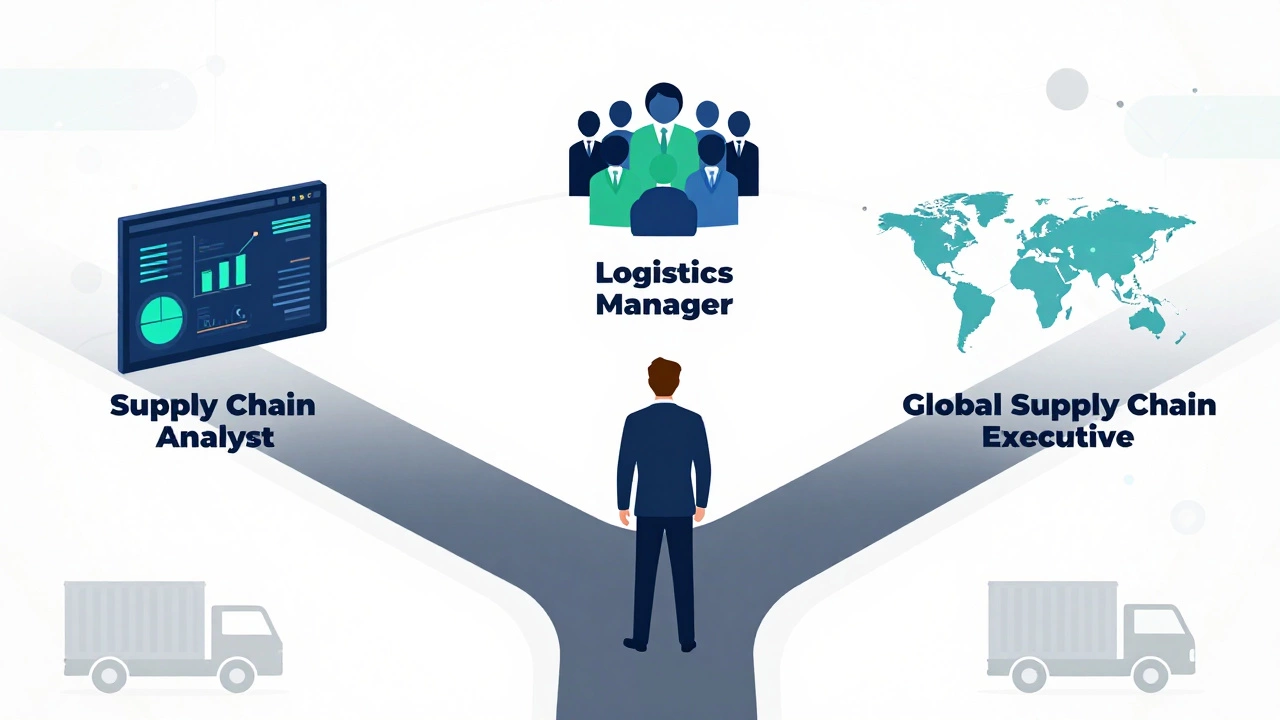
- Supply Chain Analyst: Uses data to identify inefficiencies in procurement, production, or distribution. Tools like Excel, Power BI, and SQL are essential. Salaries range from £30,000-£45,000.
- Logistics Manager: Oversees daily operations of a warehouse or transport fleet. Manages teams, budgets, and performance metrics. Typical compensation sits between £35,000-£55,000.
- Purchasing Agent: Negotiates contracts with suppliers to secure materials at competitive prices. Strong negotiation skills and market knowledge are crucial. Earnings typically fall between £28,000-£40,000.
- Transportation Planner: Designs efficient routing strategies for freight carriers. Must understand traffic patterns, fuel costs, and regulatory compliance. Pays roughly £32,000-£47,000.
To reach these roles, many take courses in supply chain management, lean methodology, or Six Sigma certifications. Employers value candidates who can demonstrate measurable improvements-like reducing delivery times by 15% or cutting waste by 10%.
Advanced Roles: Leading Strategy and Innovation
At the senior level, logistics professionals shape company-wide strategies. They decide where to build new facilities, which technologies to adopt, and how to respond to disruptions like port strikes or geopolitical tensions.
Common advanced titles include:
- Distribution Center Director: Leads multi-million-pound facilities serving hundreds of stores or online customers. Compensation often exceeds £70,000 plus bonuses tied to KPIs.
- Global Supply Chain Manager: Coordinates international flows of goods across continents. Needs fluency in trade regulations, customs procedures, and risk mitigation tactics. Salaries vary widely-from £60,000 to £100,000+ based on scope.
- Chief Operating Officer (COO): In smaller firms, COOs may oversee entire logistics networks. Larger corporations have dedicated VP-level executives instead.
- Consultant / Advisor: Works independently or for agencies helping clients redesign their supply chains. High-performing consultants earn £80,000-£150,000+ annually.
Leadership roles increasingly require understanding of automation, AI-driven forecasting, and sustainability practices. Companies expect leaders to balance efficiency with environmental responsibility-a challenge that defines modern logistics.
Key Skills Needed Across All Levels
No matter your target role, certain abilities will set you apart:
- Data Literacy: Ability to read dashboards, interpret trends, and make decisions based on numbers rather than gut feeling.
- Problem-Solving Under Pressure: Delays happen. Weather events occur. Trucks break down. Can you find alternatives quickly without panicking?
- Communication: You’ll interact with drivers, warehouse staff, IT departments, vendors, and sometimes customers. Clear communication prevents costly misunderstandings.
- Adaptability: Technology changes fast. Today’s standard tomorrow might be obsolete next year. Willingness to learn new tools keeps you relevant.
- Basic Math & Analytical Thinking: Even if you’re not building algorithms, knowing how to calculate cost-per-unit or analyze variance helps you contribute meaningfully.
Soft skills matter too. Teamwork, empathy, and patience go far when managing stressed crews during peak seasons.
Educational Backgrounds That Help
You don’t necessarily need a university degree to succeed in logistics-but having one opens doors faster. Popular academic backgrounds include:
- Bachelor’s in Business Administration (with focus on Operations)
- BSc in Supply Chain Management
- Engineering Degrees (Industrial, Mechanical, Civil)
- Certifications from CILT, APICS, or ASCM
Many universities partner with major logistics firms to offer internships. Gaining practical experience while studying gives graduates a significant edge upon graduation.
Technology Shaping Future Careers
Automation, artificial intelligence, blockchain, and IoT sensors are transforming traditional logistics workflows. Instead of manually entering data into spreadsheets, today’s analysts pull insights automatically generated by machine learning models.
For example, predictive maintenance systems alert technicians before equipment fails. Route optimization software adjusts dynamically based on live traffic feeds. Drones test autonomous last-mile deliveries in controlled environments.
Professionals who embrace these innovations early position themselves for long-term success. Learning basic coding languages (Python, R), cloud platforms (AWS, Azure), or ERP systems (SAP, Oracle) adds immense value to your resume.

Salary Expectations by Role
| Role | Entry Level (£/year) | Mid-Career (£/year) | Senior Level (£/year) |
|---|---|---|---|
| Warehouse Associate | 18,000 - 22,000 | 22,000 - 28,000 | Not applicable |
| Forklift Operator | 20,000 - 25,000 | 25,000 - 32,000 | Supervisor: 35,000+ |
| Dispatch Coordinator | 22,000 - 26,000 | 28,000 - 35,000 | Team Lead: 40,000+ |
| Supply Chain Analyst | 28,000 - 35,000 | 40,000 - 55,000 | Manager: 60,000+ |
| Logistics Manager | 30,000 - 38,000 | 45,000 - 60,000 | Director: 75,000+ |
| Global Supply Chain Executive | N/A | 60,000 - 80,000 | VP/C-suite: 90,000 - 150,000+ |
Note: Figures reflect national averages. London-based roles tend to command premiums of 10-20%. Remote-friendly roles also increase flexibility without sacrificing income potential.
How to Build Your Own Career Path
Your journey doesn’t have to follow anyone else’s blueprint. Here’s how to create yours:
- Start Small: Take any available logistics job-even temporary ones-to understand core processes.
- Document Achievements: Keep track of projects where you improved speed, reduced errors, or saved money. Quantify results whenever possible.
- Seek Mentorship: Find someone already doing what you want to do. Ask questions. Learn shortcuts they discovered along the way.
- Pursue Certifications: Invest time in recognized credentials such as CPSM (Certified Professional in Supply Management) or CLTD (Certified in Logistics, Transportation and Distribution).
- Stay Curious: Read industry publications, attend webinars, join professional groups online. Knowledge compounds over time.
Remember: promotion isn’t guaranteed-it’s earned through consistent contribution and visible impact.
Challenges to Prepare For
Like any profession, logistics comes with hurdles:
- High Stress During Peaks: Holiday seasons bring intense pressure. Be ready to work extended hours temporarily.
- Rapid Technological Change: Automation threatens routine tasks. Stay ahead by upgrading skillsets regularly.
- Geographic Limitations: Some roles require relocation or frequent travel. Consider lifestyle implications before accepting offers.
- Regulatory Complexity: International shipments involve dozens of rules. Missteps can lead to fines or delays.
Anticipating challenges allows you to plan accordingly-whether negotiating flexible schedules, setting aside emergency funds, or enrolling in refresher courses.
Final Thoughts
A career in logistics offers stability, variety, and room for advancement. If you enjoy solving puzzles, coordinating teams, and seeing tangible outcomes from your efforts, this field could be perfect for you.
Whether you begin scanning barcodes in a bustling fulfillment center or analyzing datasets for multinational corporations, each step builds toward greater expertise. The key lies in continuous learning, adaptability, and proactive networking.
So ask yourself: Do you thrive under deadlines? Love optimizing systems? Want to see immediate results from your work? If yes, consider exploring logistics further. Your future self will thank you.
Do I need a college degree to get a job in logistics?
No, many entry-level roles accept candidates without formal education. However, obtaining a degree or certification significantly boosts chances for promotion and access to higher-paying positions.
What does a typical day look like for a logistics manager?
A logistics manager usually spends mornings reviewing shipment statuses, meeting with team leads, addressing bottlenecks, and updating forecasts. Afternoons often involve vendor calls, budget reviews, and process improvement initiatives.
Can I work remotely in logistics?
Yes, especially in planning, analysis, and coordination functions. Field roles like driving or warehouse work remain onsite, but administrative and strategic positions increasingly support remote setups.
Is logistics considered a stressful career?
It can be during peak periods or unexpected disruptions. But stress varies greatly depending on role type, company culture, and personal coping mechanisms. Proactive problem-solving reduces anxiety considerably.
Which industries rely heavily on logistics professionals?
Retail, manufacturing, healthcare, agriculture, technology, and government sectors all depend on robust logistics infrastructure. E-commerce giants particularly drive innovation and hiring trends.
How much does a logistics analyst make in the UK?
Entry-level analysts earn approximately £28,000-£35,000 yearly. Mid-career professionals command £40,000-£55,000, while senior analysts managing complex portfolios exceed £60,000.
Are there opportunities for women in logistics leadership?
Absolutely. While historically male-dominated, diversity initiatives and changing workplace norms open pathways for female leaders. Organizations actively recruit diverse talent to enhance decision-making quality.
What certifications boost my logistics career?
Popular options include CPSM (Certified Professional in Supply Management), CLTD (Certified in Logistics, Transportation and Distribution), Lean Six Sigma Green Belt, and CILT membership-all demonstrating competence and commitment.
Does logistics involve international travel?
Some roles-especially global supply chain managers, consultants, and procurement specialists-require occasional overseas trips. Others operate entirely domestically or virtually via video conferencing.
How important is technology knowledge in modern logistics?
Extremely important. Familiarity with ERP systems, data visualization tools, automation controls, and emerging tech like AI and blockchain separates top performers from average employees.