
Logistics vs. E-Logistics Diagnostic Tool
Answer the questions below to see which logistics model fits your business needs best.
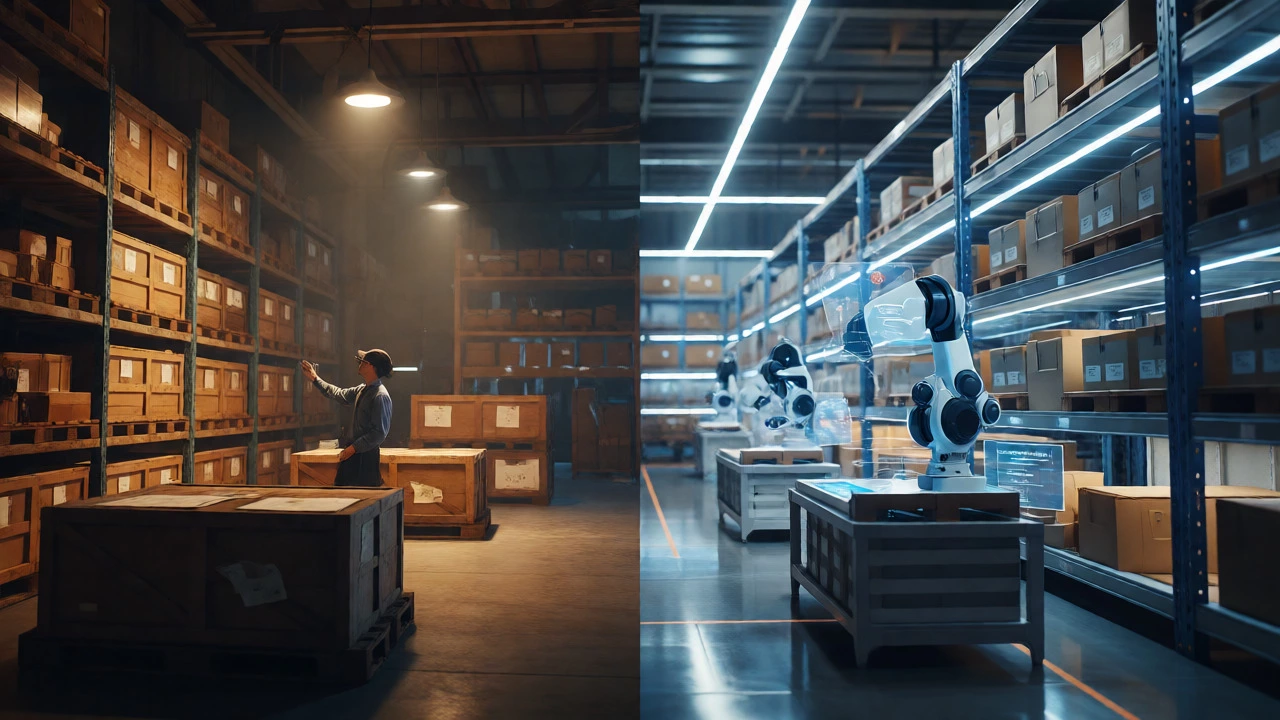
You’ve probably heard the terms logistics and e-logistics thrown around in business meetings or read about them in industry news. They sound similar, and technically, they are related. But treating them as identical is a mistake that can cost you money and customers. Think of it this way: traditional logistics is the engine under the hood of a car, while e-logistics is the entire GPS navigation system, real-time traffic data, and the driver’s app telling you exactly when to turn. One moves goods; the other manages the digital flow of information alongside those goods.
If you run an online store, understanding this distinction isn’t just academic-it’s critical for your survival. Customers today don’t just want their package; they want to know where it is, when it will arrive, and what happens if it doesn’t. That expectation gap is where traditional logistics often fails and e-logistics thrives. Let’s break down exactly how these two concepts differ, why the shift happened, and what it means for your bottom line.
The Core Definition: Moving Goods vs. Managing Data
Traditional Logistics is defined as the process of planning, implementing, and controlling the efficient flow and storage of goods from point of origin to point of consumption. It’s been around for centuries, evolving from horse-drawn carts to container ships. The primary focus here is physical movement. You have a warehouse, you have trucks, you have inventory. Your job is to get item A from location B to location C at the lowest possible cost.
E-Logistics, on the other hand, is the application of electronic technologies to the logistics process. It integrates information systems with physical distribution. Unlike traditional models, e-logistics treats data as a commodity equal in value to the product itself. It involves tracking orders in real-time, automating communication between buyer and seller, and optimizing routes based on live data rather than static schedules.
The fundamental difference lies in the trigger. Traditional logistics is often batch-driven. You gather orders, pack them in bulk, and ship them out on a schedule. E-logistics is transaction-driven. Every single click on your website triggers a complex chain of digital events that immediately impacts physical operations.
Customer Expectations: The Driving Force Behind the Shift
Why did we move from simple shipping to e-logistics? Blame Amazon. Or more accurately, blame the standard set by companies like Amazon and Shopify-powered brands that normalized instant gratification.
In a traditional B2B (business-to-business) logistics model, the customer is often another company. If a shipment arrives on Tuesday instead of Monday, it might be annoying, but it rarely causes a PR disaster. In e-commerce, the customer is an individual holding a smartphone. They expect:
- Real-time visibility: They want to see their package moving on a map.
- Flexible delivery windows: "Between 9 AM and 5 PM" is no longer acceptable; they want specific slots.
- Instant communication: Automated SMS updates about delays or successful delivery.
- Easy returns: A digital label generation process that takes seconds, not days.
Traditional logistics struggles to meet these demands because its infrastructure was built for predictability, not volatility. E-logistics solves this by using algorithms to predict demand spikes and adjust carrier capacity dynamically.
Operational Complexity: Batch Processing vs. Individual Fulfillment
Let’s look at the operational mechanics. This is where the rubber meets the road.
| Feature | Traditional Logistics | E-Logistics |
|---|---|---|
| Order Volume | Low volume, high weight/value per unit | High volume, low weight/value per unit |
| Picking Method | Case picking (full boxes) | Item-level picking (single units) |
| Delivery Frequency | Scheduled weekly or monthly | Daily or same-day dispatch |
| Data Integration | Limited (often manual entry) | Full API integration with sales platforms |
| Returns Rate | Low (typically <5%) | High (typically 15-30% for apparel) |
In traditional settings, you might pick 50 cases of shampoo for a retail store. In e-logistics, you might pick one bottle of shampoo, one tube of toothpaste, and one razor for a single consumer. This changes everything about warehouse layout, staffing, and software requirements. You need robots or sophisticated pick-to-light systems to handle the speed required for individual orders.
The Role of Technology: From Paper Trails to Digital Twins
Technology in traditional logistics is often siloed. Your Warehouse Management System (WMS) talks to your accounting software, but maybe not directly to your carrier’s tracking portal. Updates happen via email or phone calls.
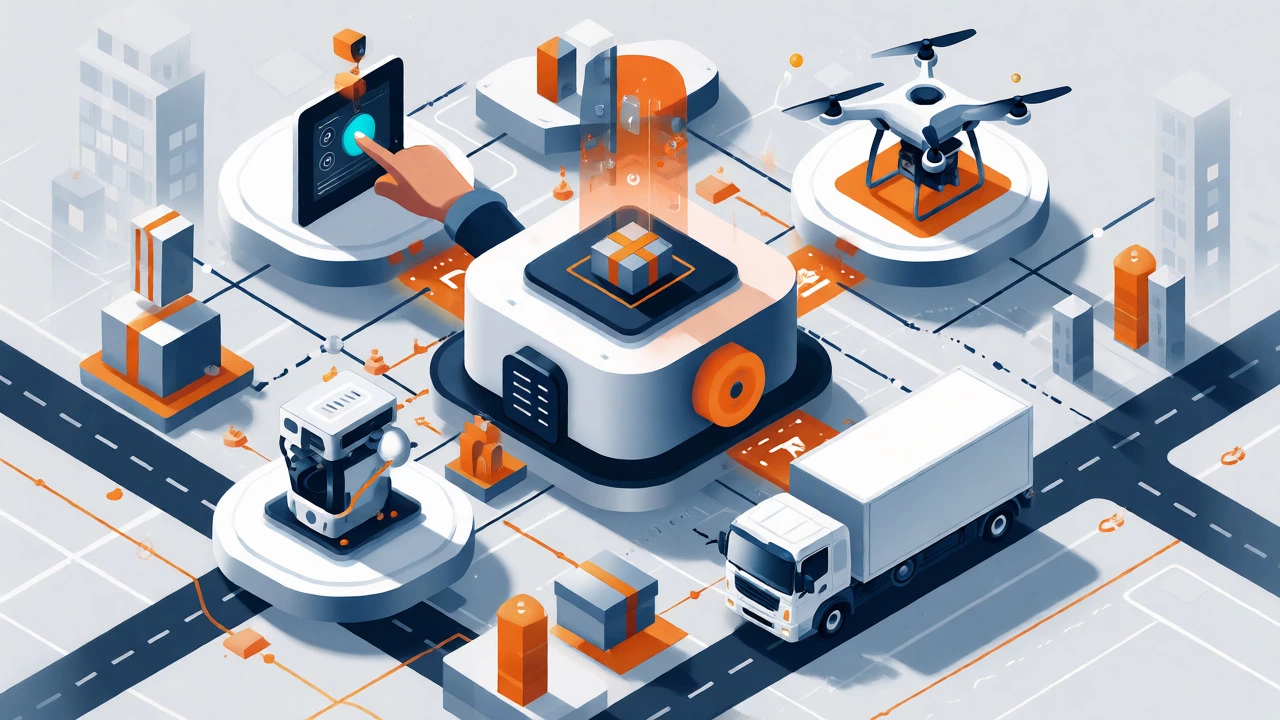
E-logistics relies on seamless connectivity. When a customer buys a shirt on your site, three things happen instantly via API calls:
- The order is pushed to the WMS.
- A shipping label is generated automatically.
- A confirmation email with a tracking link is sent to the customer.
This automation reduces human error. In traditional setups, manual data entry leads to wrong addresses and lost packages. In e-logistics, the data flows without human intervention until the final handoff. Furthermore, e-logistics utilizes predictive analytics. By analyzing past purchase behavior, you can pre-position stock in regional hubs closer to likely buyers, reducing transit time before the order is even placed.
Last-Mile Delivery: The Most Expensive and Complex Part
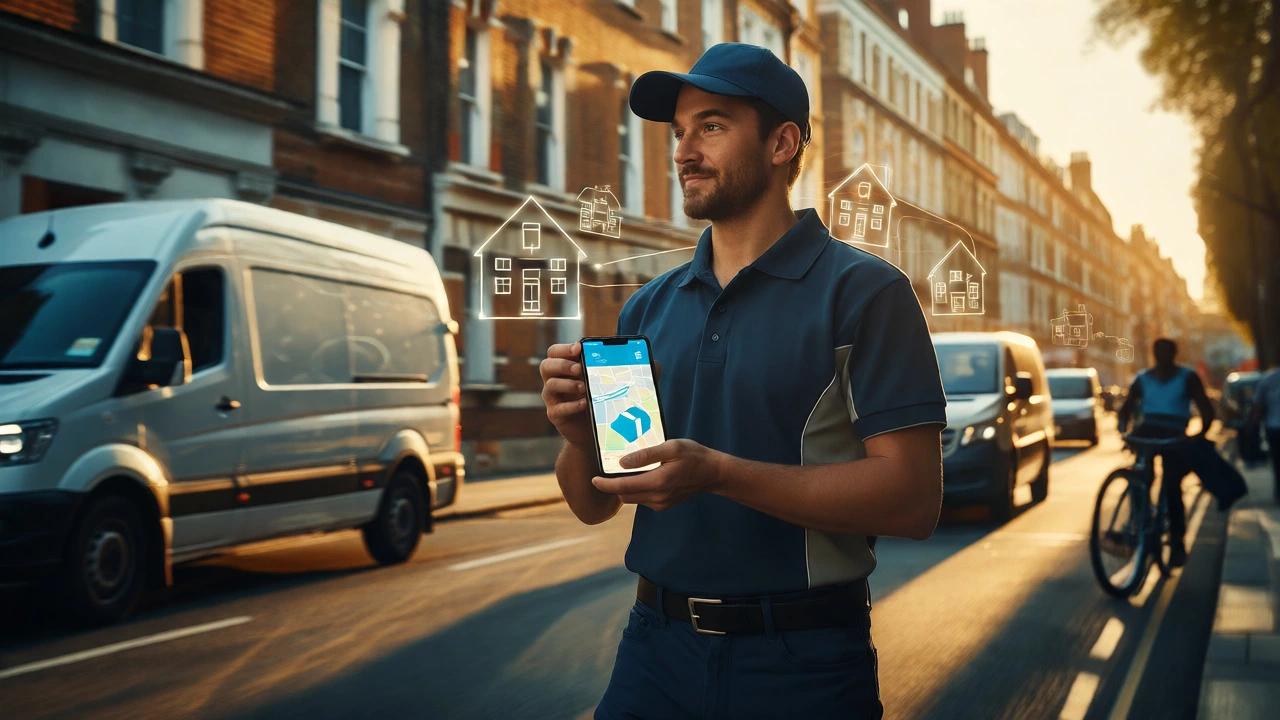
The last mile-the final step of the journey from a local hub to the customer’s door-is the most expensive part of the supply chain, accounting for up to 53% of total shipping costs. Traditional logistics views this as a simple drop-off. E-logistics views it as a customer service touchpoint.
Because e-logistics prioritizes the customer experience, it offers options traditional logistics rarely does:
- Lockbox delivery: Leaving packages in secure residential lockboxes.
- Neighbor handoff: Delivering to a trusted neighbor if the recipient isn’t home.
- Rescheduling apps: Allowing users to change delivery times via mobile apps after dispatch.
This flexibility requires carriers to use dynamic routing software. Drivers don’t follow fixed paper routes anymore; their paths change hour-by-hour based on new pickups and drops. This level of agility is impossible in rigid traditional frameworks.
Inventory Management: Push vs. Pull Strategies
Traditional logistics often uses a "push" strategy. Manufacturers produce goods based on forecasts and push them into warehouses. Retailers then pull from those warehouses. This creates risk: if the forecast is wrong, you’re stuck with dead stock.
E-logistics favors a "pull" strategy, often supported by dropshipping or micro-fulfillment centers. Inventory is held closer to the end consumer, and production or restocking is triggered by actual sales data. This reduces warehousing costs and minimizes waste. For example, a fast-fashion brand using e-logistics principles might only keep 100 units of a new style in a central hub, releasing more only as social media trends drive traffic to the product page.
Which Model Do You Need?
If you sell pallets of raw materials to factories, traditional logistics processes are still fine. But if you sell anything directly to consumers online, you are operating in an e-logistics environment, whether you admit it or not.
Here’s a quick checklist to determine if you need to upgrade your logistics approach to full e-logistics standards:
- Do your customers ask "Where is my order?" frequently?
- Is your return rate higher than 10%?
- Do you offer next-day or same-day delivery?
- Are you integrating your website with shipping providers automatically?
If you checked yes to any of these, relying on manual emails and static spreadsheets will bottleneck your growth. Investing in e-logistics tools-like automated WMS, route optimization software, and customer-facing tracking portals-isn’t optional; it’s the baseline for competitiveness in 2026.
Is e-logistics only for large companies like Amazon?
No. While Amazon pioneered many features, small businesses can access e-logistics tools through platforms like Shopify, WooCommerce, and third-party fulfillment providers (3PLs). These services offer API integrations and automated tracking for startups, making advanced logistics accessible without massive infrastructure investments.
Does e-logistics reduce shipping costs?
It can, but not always directly. E-logistics optimizes routes and consolidates shipments, which saves fuel and time. However, the cost of technology and faster delivery speeds (like same-day) can increase per-unit expenses. The savings usually come from reduced labor errors, lower return rates due to better communication, and optimized inventory holding costs.
What is the biggest challenge in transitioning to e-logistics?
Integration complexity. Connecting legacy warehouse systems with modern e-commerce platforms and carrier APIs can be difficult. Many businesses struggle with data silos where sales data doesn’t match inventory levels in real-time, leading to overselling or stockouts.
How does e-logistics handle international shipping differently?
E-logistics automates customs documentation and duty calculations. Instead of manually filling out forms for each cross-border parcel, e-logistics systems generate commercial invoices and HS codes automatically, reducing clearance delays and unexpected fees for the customer.
Can traditional logistics companies adapt to e-logistics?
Yes, but it requires significant investment in IT infrastructure and cultural change. Many traditional freight forwarders are partnering with tech firms or acquiring software startups to offer real-time tracking and API-driven services, effectively transforming their operations to meet e-logistics standards.