
Logistics Career Fit & Stress Estimator
Self-Assessment
Answer honestly to gauge how well you might thrive in a high-pressure logistics environment.
Fill out the assessment to see your estimated stress level and career fit score.
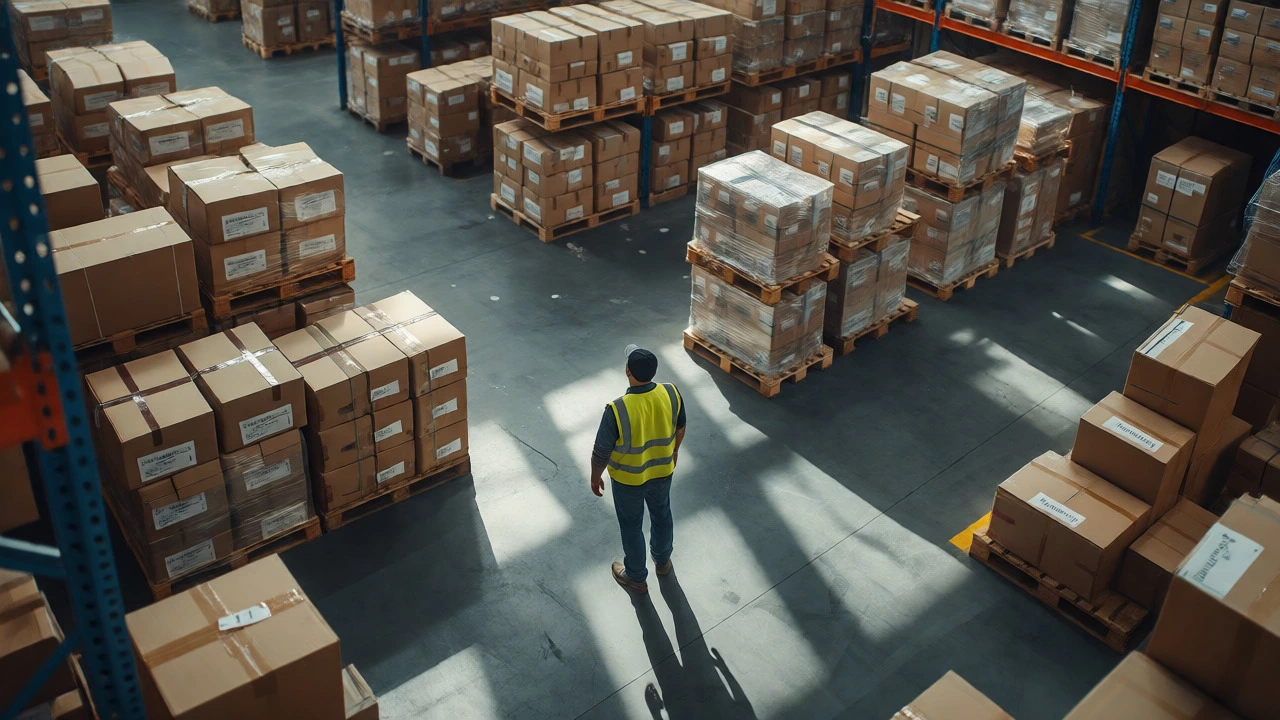
You’ve probably seen the memes. A driver stuck in traffic, a warehouse worker staring at a mountain of boxes, a dispatcher juggling ten phone calls at once. It looks chaotic, doesn’t it? So, when someone asks, "Is logistics a hard job?", the short answer is yes. But that answer misses the point. It’s not just "hard" because you lift heavy things or drive long distances. It’s hard because it demands constant problem-solving under pressure, with very little room for error.
Think about your last online order. You clicked "buy," and two days later, a package appeared on your doorstep. You didn’t see the thousands of decisions made between that click and the delivery. That invisible web is what makes this industry tough. If you’re considering a career here, or if you’re already in it and feeling the burn, you need to understand exactly why this sector is so demanding-and why many people still love it despite the stress.
The Physical Toll: More Than Just Lifting Boxes
Let’s start with the obvious part. For roles in Warehousing and last-mile delivery, the physical demand is real. We aren’t just talking about gym-level workouts. We’re talking about repetitive strain injuries, back problems from poor lifting techniques, and fatigue from standing on concrete floors for eight to twelve hours straight.
A study by the Bureau of Labor Statistics highlights that warehouse workers have one of the highest rates of injury in any sector. Why? Because speed is king. Companies want you to pick, pack, and ship faster than the person before you. This pressure leads to shortcuts. You skip stretching. You ignore proper form. You push through pain because the scanner won’t stop beeping until you move the next pallet.
- Repetitive Motion: Scanning items thousands of times a day can cause carpal tunnel syndrome.
- Environmental Hazards: Cold storage warehouses drop to -20°C, while summer docks can hit 40°C.
- Safety Risks: Forklift accidents remain a leading cause of workplace incidents in distribution centers.
If you’re thinking about a role as a picker or packer, ask yourself: Can I handle physical monotony? It’s not always dramatic action; sometimes it’s just doing the same motion over and over again while staying alert enough to avoid an accident.
The Mental Load: Chaos Management
Now, let’s talk about the brainwork. Many people assume logistics is just moving stuff from Point A to Point B. In reality, it’s managing chaos. Imagine you’re a dispatcher. Your truck breaks down in Manchester. The customer expects their goods in London by 5 PM. What do you do?
This is where the job gets mentally exhausting. You need to reroute shipments, call alternative carriers, update the client, and adjust inventory records-all within minutes. There is no "pause" button in logistics. When things go wrong, they usually go wrong all at once. A storm delays flights, which backs up trucks, which slows down warehouse intake. It’s a domino effect.
| Role Type | Primary Stress Source | Mental Demand Level |
|---|---|---|
| Warehouse Worker | Quotas & Physical Fatigue | Moderate (Focus required) |
| Driver | Traffic & Deadlines | High (Constant vigilance) |
| Dispatcher | Unpredictable Disruptions | Very High (Multitasking) |
| Supply Chain Manager | Data Accuracy & Costs | High (Strategic planning) |
Dispatchers and coordinators often describe their work as "controlled panic." You have to stay calm when everyone else is stressed. If you lose your cool, you make mistakes. And in Logistics, a mistake means lost money or angry customers.
Technology Isn’t Always the Hero
You might think modern tech solves these problems. After all, we have AI, GPS tracking, and automated robots. But here’s the catch: technology adds its own layer of difficulty. It creates more data, more screens, and more alerts.
Consider a driver using a route optimization app. The app says take Route X. But Route X has a bridge out due to construction that the app missed because the local council hasn’t updated the database yet. Now the driver is late, the system flags them as inefficient, and they get penalized. The human element-knowing the roads, reading the weather, sensing the vibe of a dock-is still crucial, but it’s constantly fighting against rigid algorithms.
For office-based roles, the challenge is different. You’re dealing with ERP Systems like SAP or Oracle. These tools are powerful but complex. Learning them takes months. One wrong entry in the inventory module can ripple through the entire supply chain, causing stockouts or overstocking issues that cost thousands of pounds.

The Emotional Rollercoaster
Here’s something nobody puts in the job description: emotional labor. Logistics professionals are often the bad guys. When a package is late, who does the customer yell at? Not the CEO. They yell at the support agent or the driver. You absorb that frustration daily.
I remember working with a colleague who delivered furniture. He’d spend hours assembling a wardrobe only for the customer to complain about a scratch they claimed was there from the start. He couldn’t argue. He just had to smile, apologize, and move to the next house. That kind of rejection, repeated dozens of times a week, wears you down.
It’s not just customers. Internal pressure comes from managers pushing for lower costs. "Cut fuel usage by 5%. Reduce overtime by 10%." You’re caught between wanting to do a good job and meeting unrealistic KPIs set by people who’ve never loaded a truck in the rain.
Why People Stay Despite the Difficulty
So, if it’s physically draining, mentally taxing, and emotionally challenging, why do millions of people work in logistics? Because it’s tangible. Unlike some corporate jobs where you push papers around and wonder if your work matters, in logistics, you see results. You moved the product. You got it there on time. You solved the crisis.
There’s also a strong sense of community. Warehouse teams and driver networks often become tight-knit groups. You rely on each other. If your shift partner calls in sick, you cover for them. That camaraderie helps buffer the stress.
Plus, the barrier to entry is low, but the ceiling is high. You can start as a picker and move into management, procurement, or operations director roles without needing a fancy degree initially. Experience counts for a lot here. If you can keep your head above water during peak season (like Black Friday or Christmas), you prove your worth quickly.
Who Thrives in Logistics?
Not everyone will hate this job. Some personalities naturally fit. You’ll likely thrive if you:
- Like Solving Puzzles: Every day brings new obstacles. Finding the quickest fix feels rewarding.
- Are Resilient: Bad days happen. You don’t take customer anger personally.
- Enjoy Movement: Sitting at a desk all day feels suffocating to you.
- Can Multitask: You can talk on the phone while updating a spreadsheet and keeping an eye on a loading bay.
Conversely, if you need a predictable routine, quiet environments, and clear boundaries between work and home, logistics might feel overwhelming. The phone rings after hours. Emergencies pop up on weekends. Flexibility is required, not just offered.
How to Make the Job Easier
If you’re entering this field or struggling in it, there are ways to reduce the hardness. First, prioritize safety gear. Invest in good boots. Use knee braces if you’re on your feet all day. Your body is your tool; maintain it.
Second, learn the systems. Don’t just use the software; understand how it works. Knowing why a process exists helps you troubleshoot faster. Third, build a network. Know other drivers, dispatchers, and warehouse leads. Sometimes, a quick favor from a contact saves hours of waiting.
Finally, set boundaries. It’s hard, but try to disconnect. Constant connectivity leads to burnout. If you’re a manager, recognize the signs of fatigue in your team. A tired worker makes mistakes. A rested worker performs better.
Is logistics harder than other manual labor jobs?
It depends on the specific role. Construction involves heavier lifting and higher immediate physical risk. However, logistics often combines physical labor with high mental stress and strict time pressures, which can make it feel more exhausting overall due to the cognitive load involved in tracking inventory and deadlines.
Do logistics jobs require a degree?
No, most entry-level positions like warehouse operatives, drivers, and couriers do not require a university degree. Practical experience, reliability, and certifications (like a HGV license for driving) are often valued more highly. Management roles may prefer degrees in supply chain management, but internal promotion based on performance is common.
What is the most stressful part of working in logistics?
The unpredictability. While physical tasks are tiring, the mental stress of sudden disruptions-such as vehicle breakdowns, port strikes, or unexpected customer changes-creates significant anxiety. The need to resolve these issues instantly to avoid financial penalties or service failures is widely cited as the primary source of stress.
Is automation making logistics easier?
Automation reduces some physical burdens, such as heavy lifting via robotics, but it increases technical complexity. Workers must now manage and troubleshoot machines, requiring new skills. While efficiency improves, the pace of work often increases to match machine speeds, meaning the pressure to perform remains high.
Can you work in logistics without being physically fit?
Yes, particularly in coordination, dispatch, procurement, or data analysis roles. These positions are largely office-based and focus on planning, communication, and software management rather than physical handling. However, even office roles may require occasional site visits to warehouses or ports.