
E-commerce Logistics Cost Estimator
Input Your Business Metrics
Includes storage fees, labor for picking/packing, or facility overhead.
$0.00
- ●
Outbound shipping costs to get goods from point A to point B.
$0.00
- ● Total orders shipped:
Handling returns is often the most costly part of fulfillment.
$0.00
- ● Estimated returns: units
Total Estimated Monthly Logistics Cost
Sum of Warehousing, Transportation, and Returns processing.
$0.00
$0.00 per orderYou click "Buy Now" on a laptop. Thirty minutes later, the warehouse receives the signal. Within twenty-four hours, that box is on a truck heading to your neighborhood. It seems like magic, but it’s actually a tightly choreographed dance of three specific activities. If you run an e-commerce business, understanding these mechanics isn’t just academic-it’s the difference between profit and loss.
Logistics systems are often misunderstood as just "shipping." In reality, they are complex networks designed to move goods from point A to point B efficiently. But what exactly happens behind the scenes? The entire operation rests on three pillars: transportation, warehousing (inventory management), and order fulfillment. Mastering these three areas allows you to reduce costs, speed up delivery times, and keep customers happy.
1. Transportation: Moving Goods Across Distances
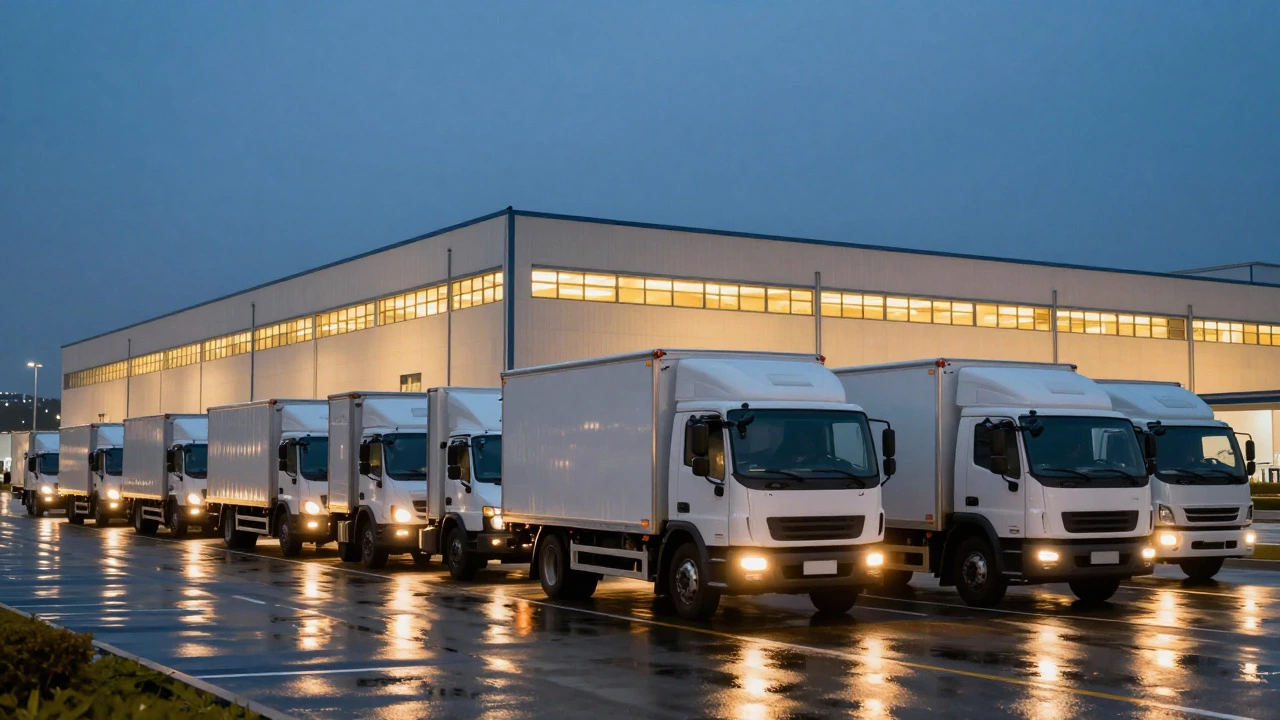
Transportation is the most visible part of logistics, but it’s also the most expensive. It involves moving raw materials to manufacturers, finished products to warehouses, and finally, those products to the end consumer. For an online retailer, this isn’t just about picking a carrier; it’s about optimizing routes, choosing modes of transport, and managing freight costs.
In the context of e-commerce logistics, transportation splits into two main categories: inbound and outbound. Inbound logistics brings stock into your facility. This might involve ocean freight for international goods or truckload services for domestic suppliers. Outbound logistics gets the product to the customer. Here, speed and cost compete. Do you use standard ground shipping to save money, or do you pay extra for next-day air to meet customer expectations?
The rise of real-time tracking has changed how we view transportation. Customers now expect to know exactly where their package is at any given second. This requires integration with carriers like FedEx, UPS, or regional last-mile providers. Without robust transportation management software (TMS), you’re flying blind. You might end up paying for expedited shipping when standard would have sufficed, or worse, missing delivery windows because of poor route planning.
- Mode Selection: Choosing between air, sea, road, or rail based on urgency and cost.
- Route Optimization: Using algorithms to find the fastest, cheapest path.
- Carrier Management: Negotiating rates and monitoring performance metrics.
2. Warehousing and Inventory Control: Storing Goods Efficiently
If transportation is the muscle of logistics, warehousing is the brain. It’s not just about renting space to stack boxes. Modern warehousing involves precise inventory control, strategic placement of goods, and rapid retrieval systems. In today’s market, holding too much stock ties up cash flow, while holding too little leads to lost sales and disappointed customers.
Inventory management is the core activity here. You need to know exactly how many units of each SKU (Stock Keeping Unit) you have, where they are located in the warehouse, and when you need to reorder. This is where technology steps in. Warehouse Management Systems (WMS) automate this process. They track every movement of a product, from receiving dock to shelf to packing station.
Consider the concept of "cycle counting." Instead of shutting down operations once a year to count every single item, modern warehouses perform small, frequent counts. This ensures accuracy without disrupting daily work. High inventory accuracy means fewer errors in orders. If your system says you have five red shirts left, but there are only three, you’ll oversell. When the customer finds out, trust evaporates.
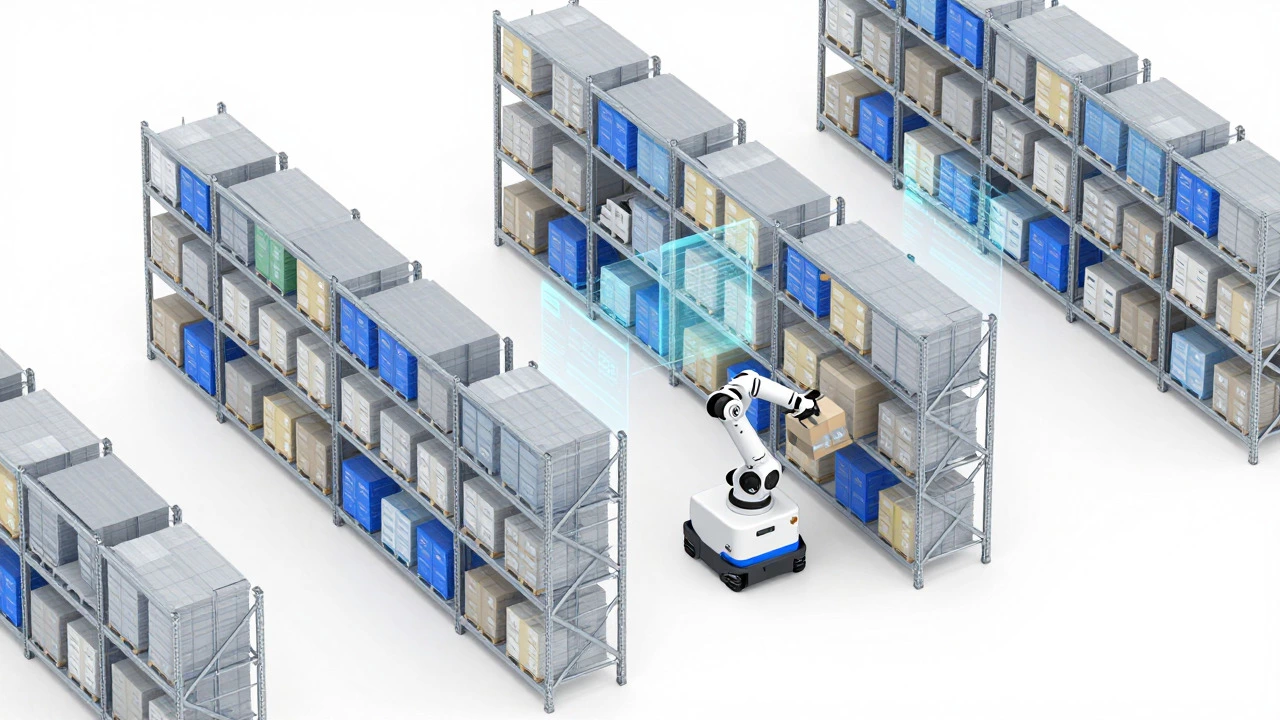
Furthermore, the physical layout of the warehouse matters. Fast-moving items should be placed near the packing stations to minimize travel time for pickers. Slow-moving items can go to higher shelves or further back. This strategic organization reduces labor costs and speeds up processing times.
| Feature | Traditional Approach | Modern E-commerce Approach |
|---|---|---|
| Inventory Counting | Annual full counts | Continuous cycle counting |
| Item Placement | Random or alphabetical | Velocity-based (fast movers near exit) |
| Technology Use | Paper logs or basic spreadsheets | Integrated WMS with barcode scanning |
| Order Picking | Manual walking to shelves | Automated guided vehicles (AGVs) or zone picking |
3. Order Fulfillment: The Final Mile Connection
Order fulfillment is where all previous efforts converge. It’s the process of receiving an order, pulling the items from storage, packing them securely, and handing them off to the carrier. This is the moment of truth for the customer experience. No matter how well you managed inventory or negotiated shipping rates, if the wrong item arrives or the box is crushed, you’ve failed.
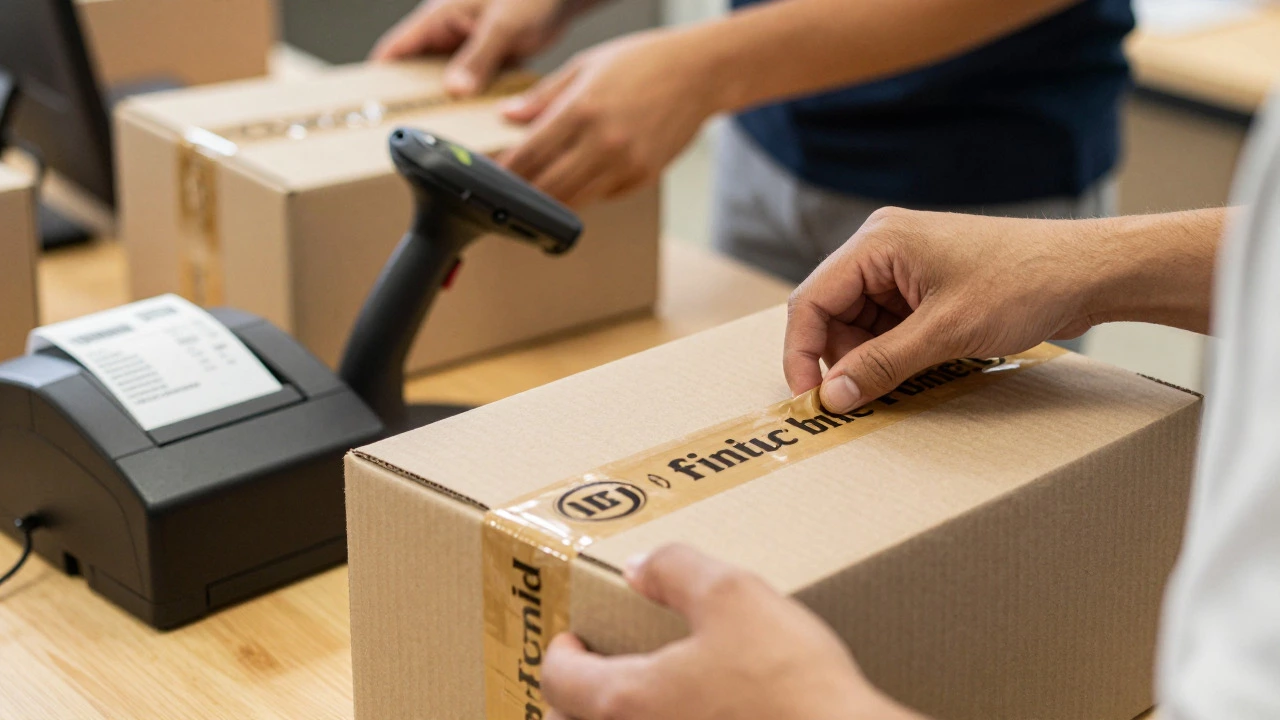
Fulfillment consists of several sub-steps. First, the order management system (OMS) receives the purchase request. It checks inventory availability and reserves the stock. Then, a pick list is generated for warehouse staff. Pickers retrieve the items. Next comes packing. This isn’t just throwing things in a box. Proper packaging protects the product during transit and enhances unboxing experiences. Finally, the package is labeled, weighed, and scanned for shipment.
In e-commerce, returns handling-often called reverse logistics-is also part of fulfillment. Customers return items frequently. How quickly and easily you process these returns affects customer retention. A smooth return process encourages repeat purchases. A difficult one drives customers to competitors.
Many businesses now outsource this step to Third-Party Logistics (3PL) providers. These companies specialize in fulfillment, offering scalable solutions that grow with your business. They handle the labor, technology, and carrier relationships, allowing you to focus on marketing and product development. However, outsourcing requires careful vetting to ensure their service levels match your brand promise.
How These Three Activities Interact
These three activities don’t operate in silos. They are deeply interconnected. Poor inventory data leads to fulfillment errors. Inefficient transportation increases warehousing costs due to delayed receipts. Effective logistics systems integrate these functions through unified software platforms.
For example, if your transportation delays inbound shipments, your inventory levels drop. Your fulfillment team then struggles to complete orders, leading to backorders. Conversely, if you overstock inventory to avoid shortages, your warehousing costs skyrocket, eating into profits. Balancing these three elements requires constant monitoring and adjustment.
Data analytics plays a crucial role here. By analyzing historical sales data, you can predict demand spikes. This allows you to adjust inventory levels before they become critical. You can also optimize transportation routes based on seasonal traffic patterns. Integration ensures that information flows seamlessly between departments, reducing bottlenecks and improving overall efficiency.
Common Pitfalls to Avoid
Even experienced operators make mistakes. One common error is underestimating the complexity of last-mile delivery. The final leg of the journey is often the most costly and least efficient. Another mistake is ignoring reverse logistics. Many brands treat returns as an afterthought, resulting in high processing fees and unhappy customers.
Additionally, failing to invest in technology can cripple growth. Manual processes may work for ten orders a day, but they break down at a hundred. Automating key tasks like label printing, inventory updates, and carrier selection saves time and reduces human error. Don’t wait until you’re overwhelmed to upgrade your systems.
What is the difference between logistics and supply chain management?
Logistics focuses specifically on the movement and storage of goods within a company. Supply chain management is broader, encompassing everything from sourcing raw materials to delivering the final product, including supplier relationships and manufacturing.
Why is inventory management important for e-commerce?
Accurate inventory management prevents overselling and stockouts. It ensures you have enough product to meet demand without tying up too much capital in excess stock, which improves cash flow and customer satisfaction.
How does order fulfillment impact customer loyalty?
Fast, accurate, and well-packaged deliveries create positive experiences. Easy returns processes build trust. Customers are more likely to return to brands that make the buying and returning process seamless and stress-free.
Should I outsource my logistics to a 3PL provider?
Outsourcing makes sense if you want to scale quickly without investing heavily in warehouse space and staff. 3PLs offer expertise and infrastructure that can reduce costs and improve delivery speeds, especially for growing businesses.
What role does technology play in modern logistics?
Technology automates manual tasks, provides real-time visibility into shipments, and optimizes routes and inventory levels. Tools like WMS, TMS, and OMS are essential for managing complexity and maintaining efficiency as order volumes grow.