

UPS Next Day Air Cost & Service Selector
Shipment Details
Select Service Level
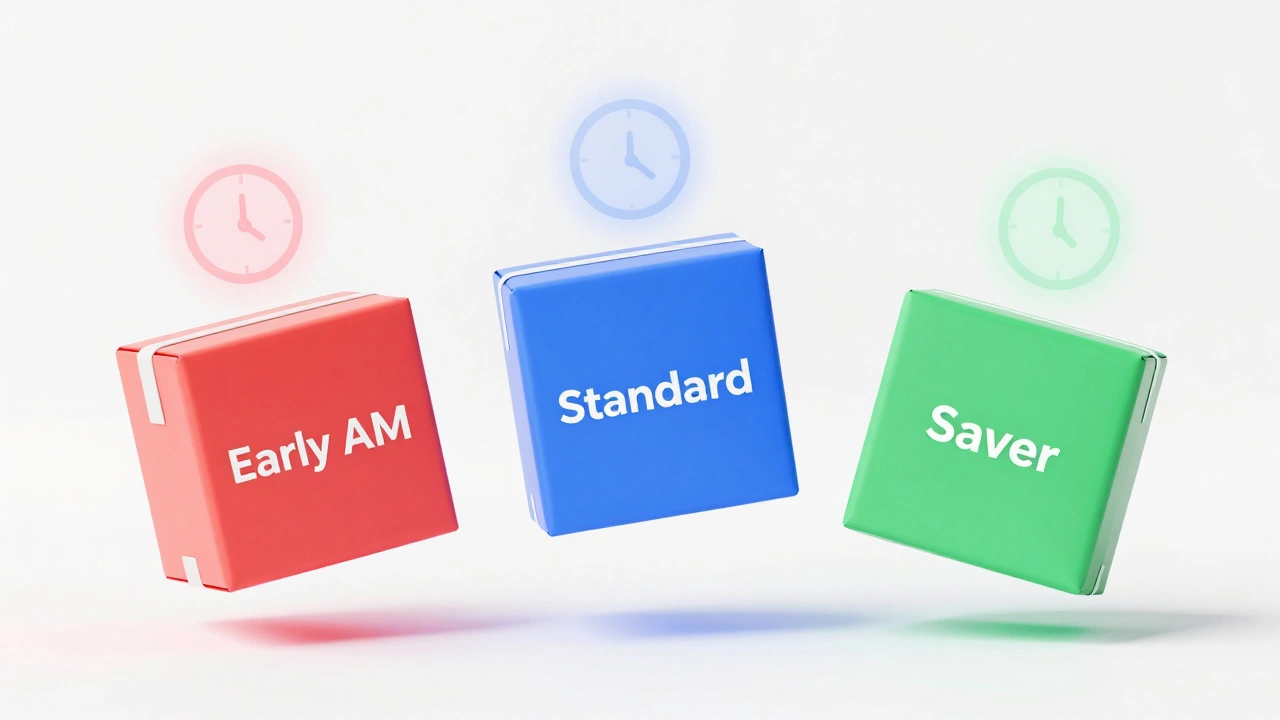
Next Day Air Early AM
Highest CostDelivers by 8:00 a.m. local time.
Critical medical supplies, legal docs.Next Day Air
High CostDelivers by 10:30 a.m. local time.
Business correspondence, inventory restocking.Next Day Air Saver
Moderate CostDelivers by End of Day (approx 7:00 p.m.).
Retail returns, non-urgent personal items.Estimated Cost Breakdown
- Base Rate: $0.00
- Fuel Surcharge (~20%): $0.00
- Residential Fee: $0.00
Service Guarantee
Guarantee: If the package misses this deadline, UPS typically refunds the shipping charges.
*Estimates are illustrative based on standard retail rates. Actual prices vary by location and contract.
You’re staring at a shipping label, your deadline is tomorrow morning, and you need to know if UPS Next Day Air is actually different from "overnight" shipping. It’s a common point of confusion that can cost you money or, worse, cause you to miss a critical delivery window. The short answer? Yes, they are effectively the same service family, but with specific nuances in naming conventions and service levels that matter when every hour counts.
The Naming Confusion Explained
When people ask if UPS Next Day Air is the same as overnight, they are usually trying to reconcile marketing terms with actual logistics operations. In the world of courier services, "overnight" isn't just a time of day; it's an industry-standard term for any shipment guaranteed to arrive the next business day. UPS Next Day Air is the brand name UPS uses for its suite of next-day delivery services.
Think of it like this: "Overnight" is the category of car (sedan), while "Next Day Air" is the model line (Toyota Camry). You wouldn’t say a Camry is the same thing as a sedan in general-you’d say it’s a type of sedan. Similarly, Next Day Air is UPS’s specific implementation of overnight shipping. Other carriers use different names for the same concept: FedEx calls it "Priority Overnight" or "Standard Overnight," while DHL often refers to it as "Express Worldwide." The functionality remains identical: pick up today, deliver tomorrow.
Breaking Down the Next Day Air Family
Here is where things get tricky for shippers. When you select "Next Day Air" on the UPS website or through a third-party shipping platform, you aren’t selecting one single product. You are entering a menu of options, each with distinct cut-off times and delivery guarantees. If you treat them all as generic "overnight" shipping, you might accidentally choose the cheapest option that arrives too late for your needs.
The UPS Next Day Air portfolio includes several tiers:
- Next Day Air Early AM: Delivers by 8:00 a.m. local time. This is the gold standard for urgent documents or parts needed before business hours.
- Next Day Air: Delivers by 10:30 a.m. local time. This is the default "next day" expectation for most businesses.
- Next Day Air Saver: Delivers by end of day (usually 7:00 p.m.). This is the budget-friendly overnight option.
If your goal is simply to have the package arrive tomorrow, any of these qualify as "overnight." But if your recipient needs the package at 9:00 a.m., only Early AM will save you. Understanding these sub-categories is crucial because the price difference between Early AM and Saver can be significant-often double or triple.
| Service Name | Delivery Time | Best For | Relative Cost |
|---|---|---|---|
| Next Day Air Early AM | By 8:00 a.m. | Critical medical supplies, legal docs | Highest |
| Next Day Air | By 10:30 a.m. | Business correspondence, inventory restocking | High |
| Next Day Air Saver | By End of Day | Retail returns, non-urgent personal items | Moderate |
How It Compares to Competitors
To truly understand what you’re buying, it helps to look at how UPS stacks up against its main rivals. If you’ve used FedEx, you’ll notice their naming convention is slightly more descriptive. FedEx offers "Priority Overnight" (guaranteed by 10:30 a.m.) and "Standard Overnight" (guaranteed by end of day). These map almost perfectly to UPS Next Day Air and Next Day Air Saver, respectively.
DHL Express operates differently. While they offer next-day service, their network is heavily focused on international routes. For domestic US shipments, UPS and FedEx often have denser ground networks that make their overnight air services more reliable for shorter distances. However, if you are shipping across continents, DHL’s "Express 9:00" or "Express 12:00" might be the better equivalent to UPS Next Day Air.
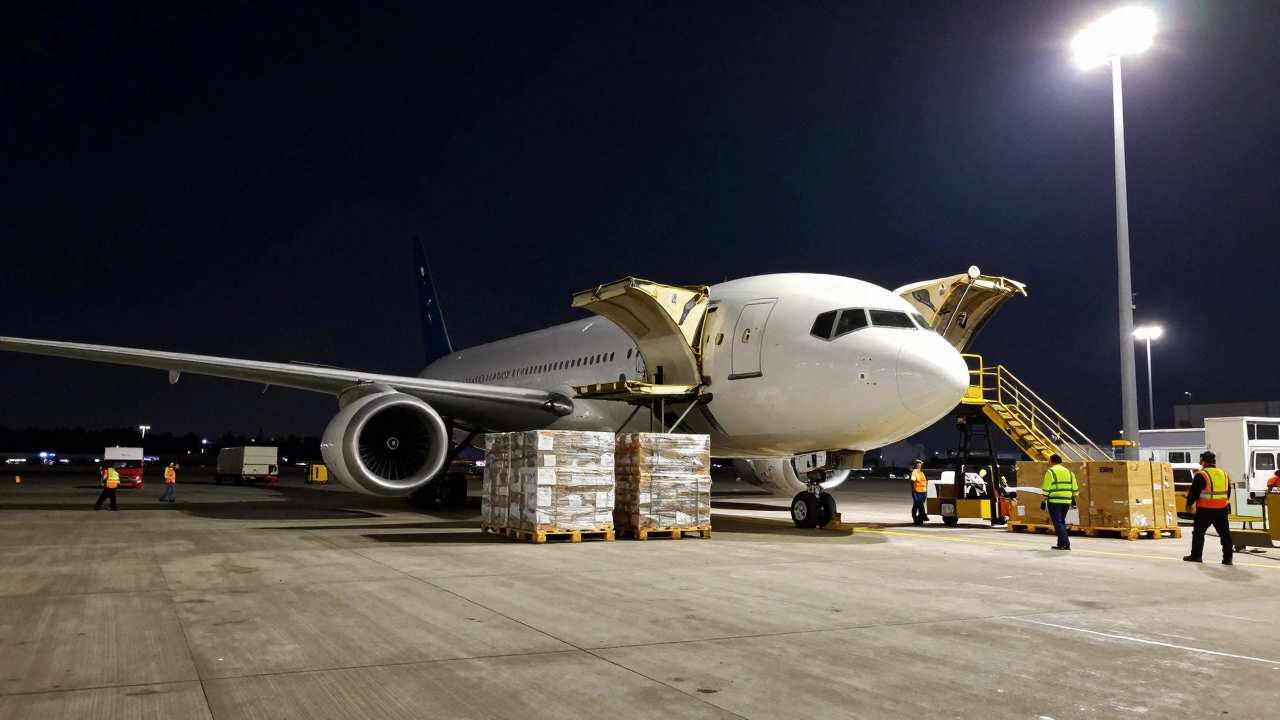
The key takeaway here is that "overnight" is a universal promise, but the execution varies. UPS relies on its massive hub-and-spoke system, primarily centered around Louisville, Kentucky. Your package likely flies into Louisville, gets sorted, and flies out again. This efficiency allows UPS to maintain consistent pricing and coverage across the entire country, which is why many businesses default to Next Day Air for domestic reliability.
Hidden Costs and Fees to Watch
One reason people question whether Next Day Air is worth the hype is the final bill. The base rate for overnight shipping looks reasonable, but UPS adds several surcharges that can inflate the cost significantly. These fees apply regardless of whether you call it "overnight" or "Next Day Air," so they are part of the package deal.
Common additional charges include:
- Fuel Surcharge: A percentage added to the base rate based on current fuel prices. This fluctuates quarterly.
- Residential Delivery Fee: If the package is going to a home address rather than a business, UPS charges extra.
- Remote Area Surcharge: Deliveries to areas far from major distribution hubs cost more.
- Signature Confirmation: Often required for high-value overnight shipments, adding another fee.
If you are shipping frequently, these fees add up. Many businesses negotiate contract rates with UPS to reduce or eliminate some of these surcharges. If you are an occasional shipper, you pay the retail rate, which is why comparing quotes from multiple carriers is essential before committing to a Next Day Air shipment.
When to Choose Next Day Air Over Ground
A common mistake is using Next Day Air when UPS 2nd Day Air or even UPS Ground would suffice. Next Day Air is expensive. Before clicking "ship," ask yourself: Is speed truly necessary?
If you are sending a replacement part that stops a production line, Next Day Air is justified. The cost of downtime far exceeds the shipping fee. However, if you are sending a birthday gift or a non-urgent document, consider slower options. UPS 2nd Day Air delivers by noon the following business day (or sometimes the day after) at a fraction of the cost. Even UPS Ground, which takes 1-5 business days depending on distance, is often sufficient for e-commerce orders.
Another factor is weight. Air shipping costs are calculated based on dimensional weight and actual weight. Heavy packages sent via Next Day Air can become prohibitively expensive. In such cases, specialized freight services or consolidated ground shipping might be more economical, even if they take longer.
Tracking and Guarantees
One advantage of UPS Next Day Air is the robust tracking system. Unlike standard mail, where you might wonder if the letter was ever picked up, Next Day Air provides real-time updates. You can track your package from the moment it’s scanned at the origin facility to its final delivery scan.
More importantly, UPS stands behind its delivery promises. If a Next Day Air package misses its guaranteed delivery time, you are eligible for a refund of the shipping charges. This guarantee applies to both Early AM and standard Next Day Air services. However, getting the refund requires proof of the missed deadline, so keep your tracking number handy and monitor the status closely.
This level of accountability is rare in the shipping world. With cheaper, non-guaranteed services, you might not get recourse if the package is delayed. With Next Day Air, the risk shifts from you to the carrier, providing peace of mind for critical shipments.
Practical Tips for Shippers
To make the most of UPS Next Day Air, follow these practical steps:
- Know Your Cut-Off Times: UPS has strict deadlines for next-day pickup. Missing the cut-off means your package ships the next day, arriving two days later. Check the local cut-off times for your area, as they vary by location.
- Use Account Numbers: If you ship regularly, set up a UPS account. This gives you access to discounted rates and easier label printing.
- Pack Securely: Overnight flights involve multiple handling stages. Use sturdy boxes and adequate cushioning to prevent damage during transit.
- Verify Addresses: Ensure the recipient’s address is accurate. Incorrect addresses can delay delivery, voiding the next-day guarantee.
By treating Next Day Air as a premium tool rather than a default option, you can balance cost and speed effectively. Remember, "overnight" is a promise, but "Next Day Air" is the mechanism that delivers it.
Is UPS Next Day Air guaranteed to arrive the next day?
Yes, UPS Next Day Air services are guaranteed to arrive on the next business day, provided the package is shipped before the daily cut-off time and there are no unforeseen delays like weather events. If the guarantee is missed, UPS typically refunds the shipping charges.
What is the difference between Next Day Air and Next Day Air Saver?
The main difference is the delivery time. Standard Next Day Air delivers by 10:30 a.m., while Next Day Air Saver delivers by the end of the day (usually 7:00 p.m.). Saver is cheaper but less suitable for time-sensitive morning deliveries.
Can I ship UPS Next Day Air on weekends?
UPS generally considers Monday through Friday as business days for Next Day Air. Weekend delivery is available through a separate service called UPS Next Day Air® Saturday®, which incurs additional fees. Shipping on Friday for Saturday delivery requires specific selection of this service.
How does UPS Next Day Air compare to FedEx Overnight?
They are very similar. UPS Next Day Air corresponds closely to FedEx Priority Overnight (by 10:30 a.m.) and FedEx Standard Overnight (by end of day). Both carriers offer comparable reliability and coverage, though prices may vary based on route and volume discounts.
Why is UPS Next Day Air so expensive?
The high cost reflects the priority handling, air transport, and guaranteed delivery timelines. It involves complex logistics, including dedicated flights and sorting facilities, ensuring the package bypasses slower ground networks. Additional surcharges for fuel, residential delivery, and remote areas also contribute to the final price.