
Logistics Platform Selector
Choosing the right logistics platform isn’t about picking the most expensive or flashy option. It’s about finding the one that actually moves your packages, cuts your costs, and keeps your customers happy. If you’re running a small or mid-sized business, you don’t need a Fortune 500 system. You need something that works today, scales tomorrow, and doesn’t require a team of engineers to run.
What makes a logistics platform "best"?
There’s no single answer because "best" depends on what you’re shipping, where you’re shipping it, and how many orders you handle daily. A platform that works for a 100-order-a-day e-commerce store might drown a 500-order warehouse. The real criteria come down to four things:
- Integration - Does it connect with your online store, accounting software, and carriers?
- Real-time tracking - Can your customers see where their package is without calling you?
- Cost transparency - Are you paying per package, per pound, or a flat fee? Hidden fees kill margins.
- Scalability - Can it handle 2x or 5x your current volume without crashing or costing 3x more?
These aren’t nice-to-haves. They’re the difference between losing customers and growing your business.
Top 5 logistics platforms in 2026
After testing and reviewing over 20 platforms, here are the five that consistently deliver for small to mid-sized businesses. All of them support UK and EU shipping, integrate with Shopify, WooCommerce, and Amazon, and offer real-time carrier rate comparisons.
1. ShipStation
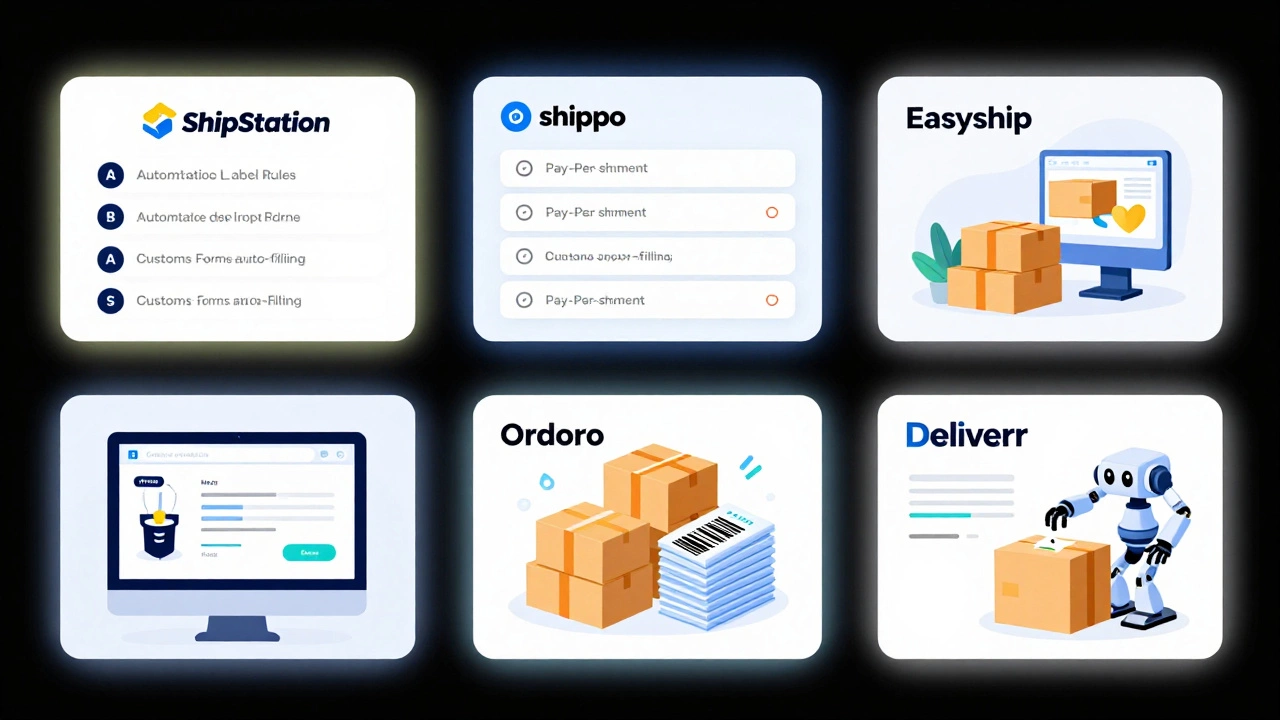
ShipStation has been around since 2011, and it still leads in simplicity. It connects to over 100 carriers, including Royal Mail, DHL, UPS, and local couriers. You can print labels, automate tracking updates, and set rules like "if order is under £50, use Royal Mail 2nd Class" - all without touching code.
It’s not the cheapest. Plans start at $29/month for up to 500 shipments. But if you’re shipping more than 100 packages a week, the time saved on manual label printing and customer inquiries pays for itself.
2. Shippo
Shippo is the quiet underdog that punches above its weight. It’s API-first, so developers love it, but the web dashboard is clean enough for anyone to use. The big win? Shippo gives you discounted rates from FedEx, UPS, and DHL without locking you into contracts. You pay only for what you ship.
Its pricing is pay-as-you-go: $0.05 per label, plus carrier rates. No monthly minimum. That’s rare. If your order volume fluctuates - say, you have seasonal spikes - Shippo won’t nickel-and-dime you.
3. Easyship
If you ship internationally, Easyship is hard to beat. It supports 250+ carriers across 200+ countries and automatically calculates duties and taxes. That’s huge. Many platforms leave you guessing what your customer will owe on arrival - leading to abandoned deliveries and angry buyers.
Easyship also has a built-in customs form generator. No more PDFs, no more manual entries. Just click "export" and it fills out the forms for you. Plans start at $19/month for up to 200 shipments. Great for businesses selling to the US, Australia, or Canada.
4. Ordoro
Ordoro is built for warehouses. If you stock inventory, manage multiple SKUs, or have a team packing orders, this is the platform you need. It tracks inventory across multiple locations, syncs with barcode scanners, and even alerts you when stock is low.
It doesn’t have as many carrier integrations as ShipStation, but it makes up for it in warehouse control. You can set up packing stations, assign tasks to staff, and see real-time order fulfillment progress. Pricing starts at $99/month - not cheap, but worth it if you’re handling 200+ orders daily.
5. Deliverr (by Amazon)
Deliverr isn’t a self-service platform. It’s a fulfillment service wrapped in software. You send your inventory to their warehouse. They store it, pack it, and ship it - often in 1-2 days. It’s not for everyone. You give up control of your packaging and shipping labels. But if you’re selling on Amazon or Walmart and want Prime-like delivery speeds, Deliverr is unbeatable.
Costs vary by product size and weight. Most sellers pay between $3-$8 per order. No monthly fee. You only pay when you ship. It’s ideal if you want to offload logistics entirely.
What to avoid
Not all platforms are created equal. Here are three red flags to watch out for:
- Platforms that require long-term contracts - If they won’t let you cancel monthly, walk away. Your needs will change.
- Platforms that hide carrier rates - If you can’t compare UPS, DHL, and local couriers side-by-side, you’re overpaying.
- Platforms with no UK/EU carrier support - Royal Mail, Evri, and DPD are essential for European businesses. If your platform doesn’t list them, it’s not built for you.
How to choose
Start with this checklist:
- How many orders do you ship per day? (Under 50? Over 200?)
- Do you ship mostly domestically or internationally?
- Do you need inventory tracking or just shipping labels?
- Are you on Shopify, WooCommerce, or another platform?
- Can you afford a monthly fee, or do you need pay-per-shipment?
Here’s a quick match:
| Business Type | Best Platform | Why |
|---|---|---|
| Small e-commerce (under 50 orders/day) | Shippo | Pay-as-you-go, no contract, great rates |
| Medium e-commerce (50-200 orders/day) | ShipStation | Automated rules, easy label printing |
| International sellers | Easyship | Duties, taxes, and customs auto-filled |
| Warehouse with inventory | Ordoro | Barcode scanning, multi-location tracking |
| Amazon/Walmart seller wanting fast delivery | Deliverr | 1-2 day delivery, no logistics headaches |
Real-world example: A Liverpool-based gift shop
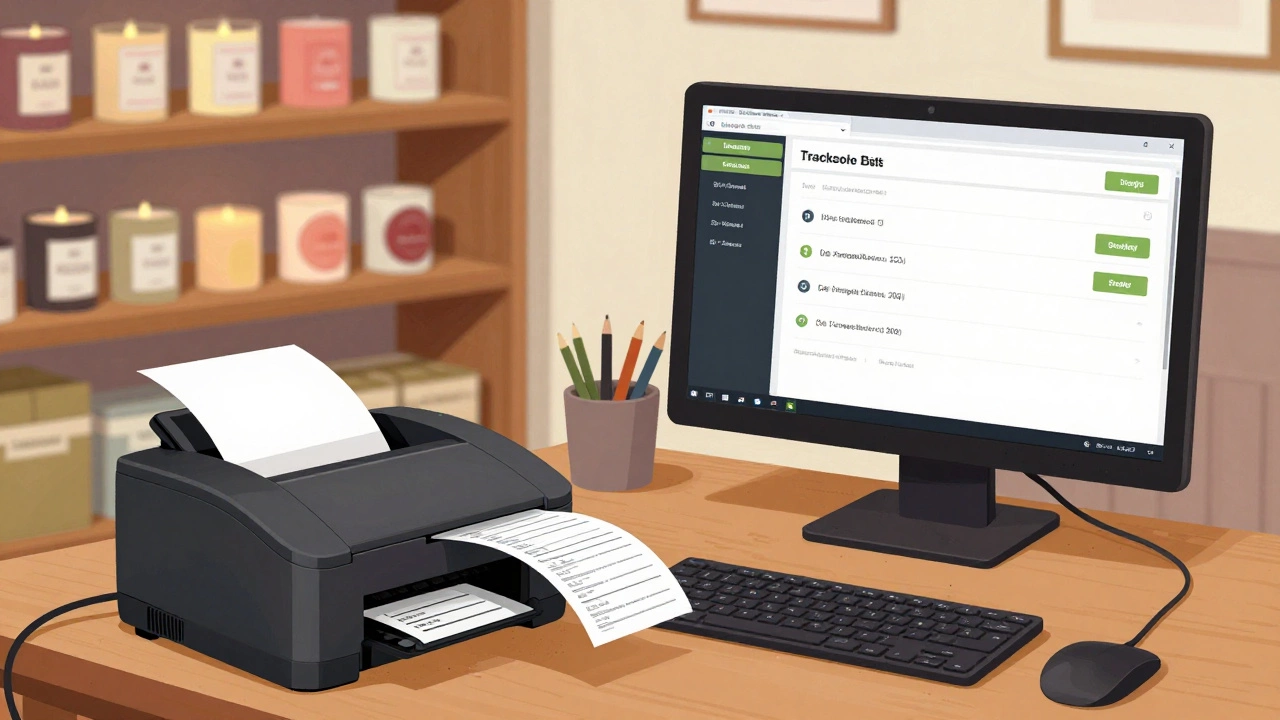
One business I worked with in Liverpool sold handmade candles. They shipped 80 orders a week - mostly within the UK. Before switching, they used Royal Mail’s website manually. That meant 2 hours a day just printing labels, tracking numbers, and answering "Where’s my order?" emails.
They switched to ShipStation. Setup took 3 days. Now, orders auto-import from Shopify. Labels print on a thermal printer. Tracking updates go out automatically. Customer service emails dropped by 70%. Their monthly shipping cost went from £420 to £310 - even though they shipped 15% more.
That’s the power of the right platform.
Final thought
The "best" logistics platform isn’t the one with the most features. It’s the one that stops you from wasting time, money, and customer trust. Most businesses overcomplicate it. They chase bells and whistles instead of fixing the basics: fast shipping, clear tracking, and honest pricing.
Start small. Try Shippo or ShipStation with a 14-day free trial. Don’t commit. Just test. See how much time you save. See how many fewer calls you get. If it cuts your workload by even 30%, you’ve already made the right choice.
What’s the cheapest logistics platform for small businesses?
Shippo is the cheapest for low-volume sellers because it charges only $0.05 per label with no monthly fee. You pay only what you ship, and you get discounted carrier rates. If you ship under 50 orders a week, it’s hard to beat.
Can I use a logistics platform with my Shopify store?
Yes. All five platforms listed - ShipStation, Shippo, Easyship, Ordoro, and Deliverr - have official Shopify integrations. Setup takes under 10 minutes. Orders auto-sync, tracking updates push to customers, and labels print directly from your Shopify dashboard.
Do I need to sign a long-term contract?
No, and you shouldn’t. Avoid any platform that forces annual billing or has early termination fees. Shippo, ShipStation, and Easyship all offer month-to-month plans. That gives you flexibility to switch if your needs change.
Is Deliverr worth it if I don’t sell on Amazon?
Only if speed is your top priority. Deliverr guarantees 1-2 day delivery across the UK and EU - faster than most couriers. But you must send your inventory to their warehouse first. If you want control over packaging, branding, or shipping methods, stick with ShipStation or Shippo.
What’s the biggest mistake people make when choosing a logistics platform?
Choosing based on features, not workflow. Many pick the platform with 50 integrations, then realize they only use 3. Focus on your daily tasks: printing labels, updating tracking, handling returns. The platform that simplifies those three things is better than one with 100 options you’ll never use.
If you’re still unsure, start with Shippo’s free trial. Test it with 10 real orders. See how much time you save. That’s all you need to decide.