

E-Commerce Role Identifier
What do you primarily do?
Select your main responsibility to find your role.
I own the brand, buy inventory, and handle P&L.
I optimize platforms, set prices, and coordinate campaigns.
I manage shipping, stock levels, and returns.
I code the site, ensure security, and integrate APIs.
I run ads, SEO, and email campaigns for ROI.
Loading...
Description goes here.
Key Metrics
Typical Tools
Select a responsibility above
To see your e-commerce role detailsYou have a question that seems simple but trips up almost everyone: what do you actually call someone who does e-commerce? The short answer is that there isn’t just one title. If you run the whole show, you might be an e-commerce entrepreneur. If you manage the day-to-day operations, you are likely an E-commerce Manager, defined as a professional responsible for overseeing online sales channels, inventory, and customer experience. But if you focus on moving boxes from a warehouse to a doorstep, your role shifts toward logistics.
The terminology changes based on whether you own the brand, build the website, or handle the physical fulfillment. In 2026, the lines between these roles blur more than ever, especially with the rise of automated supply chains. Let’s break down exactly who does what in the online retail world so you can identify where you fit.
The Business Owner: Entrepreneur vs. Merchant
If you started the company, bought the inventory, and take the financial risk, you are primarily an Entrepreneur. This term describes an individual who creates a new business, bearing most of the risks and enjoying most of the rewards. However, in the specific context of selling goods over the internet, "merchant" is often the more accurate legal and industry term.
An Online Merchant operates under commercial regulations that govern digital transactions, payment processing, and consumer rights. When you sign up with a payment gateway like Stripe or PayPal, they don't call you a CEO; they call you a merchant. This distinction matters because it defines your relationship with banks and platforms. You are liable for chargebacks, tax compliance, and product safety standards.
Some entrepreneurs prefer the term "digital founder." This sounds modern and emphasizes the tech aspect of the business. Whether you call yourself a founder, owner, or merchant, the core responsibility remains the same: you are accountable for the entire profit and loss statement.
The Operational Leader: E-Commerce Manager
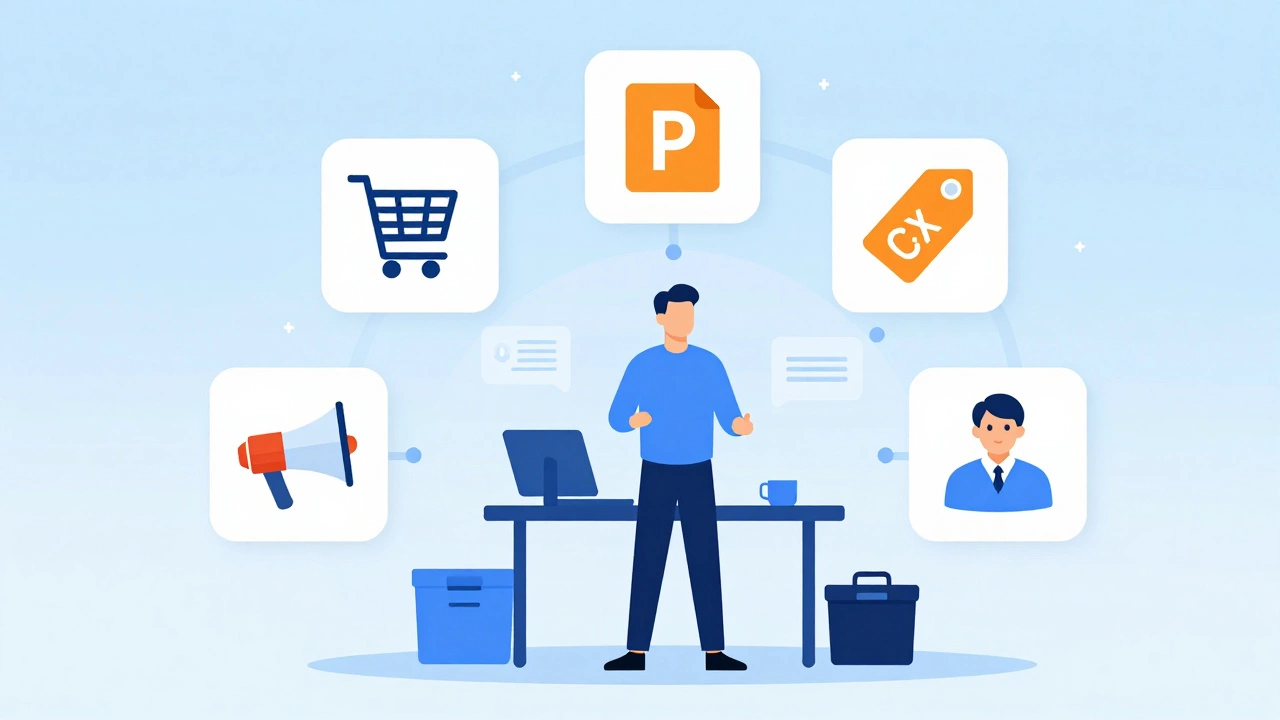
Most growing brands cannot rely solely on the owner. They hire an E-commerce Manager. This person acts as the bridge between marketing, sales, and logistics. Their job is not just to watch sales numbers go up but to ensure the infrastructure supports growth.
An effective E-commerce Manager handles several critical functions:
- Platform Optimization: Managing the backend of Shopify, WooCommerce, or Magento to ensure smooth checkout experiences.
- Pricing Strategy: Adjusting prices based on competitor analysis and margin requirements.
- Campaign Coordination: Working with digital marketers to align promotions with inventory levels.
- Customer Experience (CX):strong> Monitoring reviews and return rates to improve satisfaction.
In larger organizations, this role might split into specialized positions, such as a Head of Digital Sales or an Online Retail Director. For smaller businesses, the E-commerce Manager is often the right hand to the founder, handling everything from listing products to troubleshooting shipping errors.
The Fulfillment Specialist: Logistics Coordinator
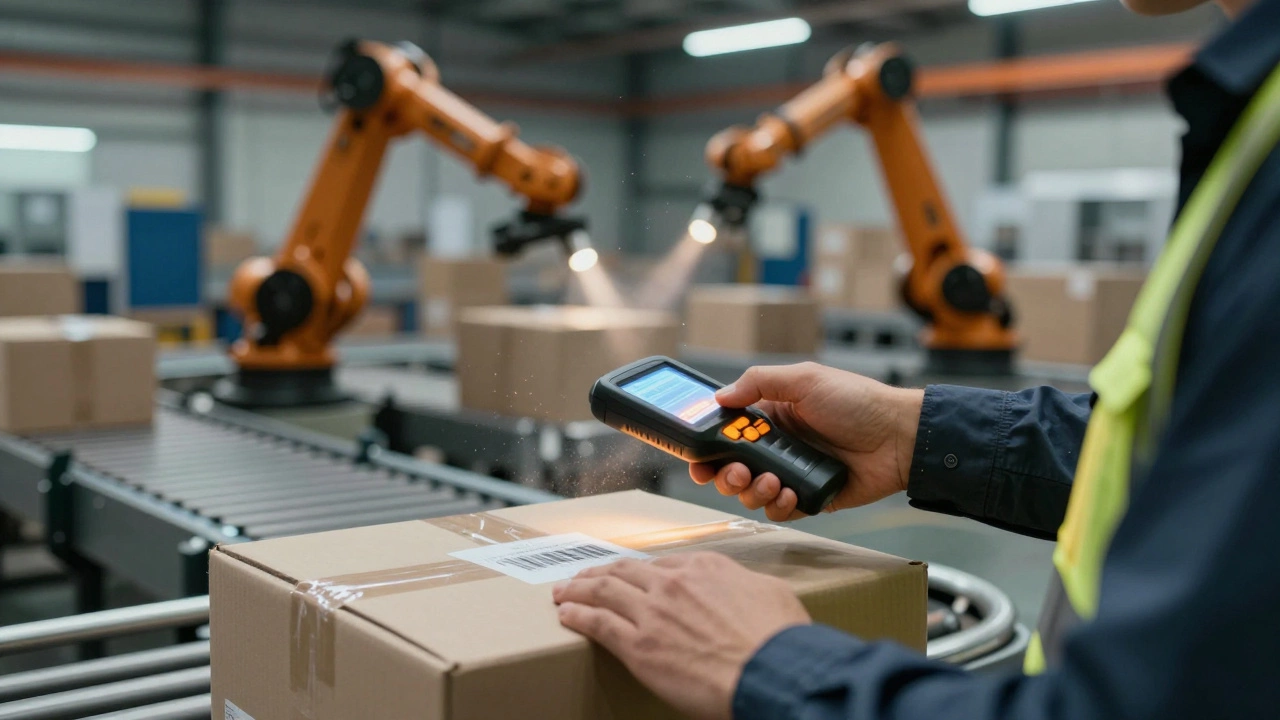
This is where many people get confused. Selling online is only half the battle; delivering the product is the other half. If your primary focus is ensuring orders leave the warehouse on time and arrive intact, you are involved in E-commerce Logistics. This field encompasses the planning, implementation, and control of the efficient flow of goods from point of origin to point of consumption.
The person managing this process is typically called a Logistics Coordinator or a Fulfillment Manager. Their daily tasks include:
- Negotiating rates with courier services like DHL, FedEx, or local postal operators.
- Managing stock levels to prevent overselling or dead stock.
- Overseeing third-party logistics (3PL) providers if the brand outsources warehousing.
- Handling reverse logistics, which is the complex process of managing returns and exchanges.
In the UK and Europe, logistics coordinators must also navigate strict customs regulations for cross-border trade. A mistake in labeling or documentation can lead to seized packages, making this role highly technical and detail-oriented.
The Technical Architect: E-Commerce Developer
Behind every seamless shopping cart is code. The person who builds and maintains the online store is an E-Commerce Developer. Unlike a standard web developer, this professional specializes in integrating payment gateways, inventory management systems, and security protocols into web platforms.
Key responsibilities for an E-Commerce Developer include:
- Ensuring PCI DSS compliance for secure credit card processing.
- Optimizing site speed to reduce bounce rates during checkout.
- Integrating APIs between the storefront and ERP (Enterprise Resource Planning) systems.
- Implementing mobile-responsive designs since over 60% of e-commerce traffic comes from smartphones.
Without this role, the "someone who does e-commerce" would have no platform to sell on. Developers often work closely with UX designers to ensure the user journey is intuitive.
The Growth Driver: Digital Marketer
You can have the best product and the fastest shipping, but if no one sees it, you have no business. The person responsible for driving traffic to the store is a Digital Marketer. In the e-commerce context, this often narrows down to a Performance Marketing Specialist.
Unlike traditional branding marketers, performance marketers focus on measurable actions: clicks, conversions, and ROI. They use tools like Google Ads, Meta Business Suite, and email automation platforms. Their goal is to acquire customers at a cost lower than the lifetime value of those customers.
A skilled digital marketer understands the entire funnel, from the first ad impression to the post-purchase email sequence. They collaborate closely with the E-commerce Manager to ensure that marketing promises match inventory reality.
Comparison of Key E-Commerce Roles
| Role Title | Primary Focus | Key Metrics | Typical Tools |
|---|---|---|---|
| E-Commerce Entrepreneur | Business Strategy & Risk | Profit Margin, Cash Flow | Accounting Software, CRM |
| E-Commerce Manager | Operations & Sales | Gross Merchandise Value (GMV), Conversion Rate | Shopify, Analytics Dashboards |
| Logistics Coordinator | Fulfillment & Shipping | On-Time Delivery Rate, Cost Per Order | WMS, TMS, Courier APIs |
| E-Commerce Developer | Technical Infrastructure | Site Uptime, Page Load Speed | HTML/CSS, JavaScript, API Docs |
| Digital Marketer | Traffic & Acquisition | ROAS, Customer Acquisition Cost (CAC) | Google Ads, Facebook Ads, Email Platforms |
Why Role Clarity Matters in 2026
As e-commerce becomes more saturated, specialization is key. Trying to be everything-developer, marketer, and packer-leads to burnout and inefficiency. Knowing exactly what to call each role helps in hiring, outsourcing, and setting expectations.
For instance, if you are struggling with late shipments, hiring another marketer won't help. You need a Logistics Coordinator or a better 3PL partner. If your site crashes during peak traffic, you need a Developer, not a Manager. Clear titles reflect clear responsibilities.
In summary, "someone who does e-commerce" could be any of these professionals. Identify which part of the puzzle you are solving, and use the appropriate title. It will make your career path clearer and your business operations smoother.
Is an e-commerce manager the same as a digital marketer?
No, they are distinct roles. An e-commerce manager oversees the entire operation, including inventory, pricing, and platform maintenance. A digital marketer focuses specifically on driving traffic through ads, SEO, and content. While they collaborate closely, their KPIs and daily tasks differ significantly.
What skills does a logistics coordinator need for e-commerce?
A logistics coordinator needs strong organizational skills, knowledge of supply chain software (WMS/TMS), and negotiation abilities for courier rates. Attention to detail is crucial for handling customs documentation and preventing shipping errors.
Can I be both an entrepreneur and an e-commerce manager?
Yes, especially in small businesses or startups. Many founders wear multiple hats, handling strategy while also managing day-to-day operations. However, as the business scales, delegating the managerial role allows the entrepreneur to focus on long-term growth and partnerships.
What is the difference between a merchant and a vendor?
In e-commerce, a merchant usually refers to the entity selling directly to consumers via their own website or platform. A vendor often supplies goods to retailers or sells on marketplaces like Amazon. The terms can overlap, but "merchant" implies direct control over the customer transaction.
Do I need a developer if I use Shopify?
Not necessarily for basic stores. Shopify offers user-friendly tools for non-coders. However, for custom features, complex integrations, or advanced performance optimization, hiring an e-commerce developer is recommended to avoid limitations and security vulnerabilities.