
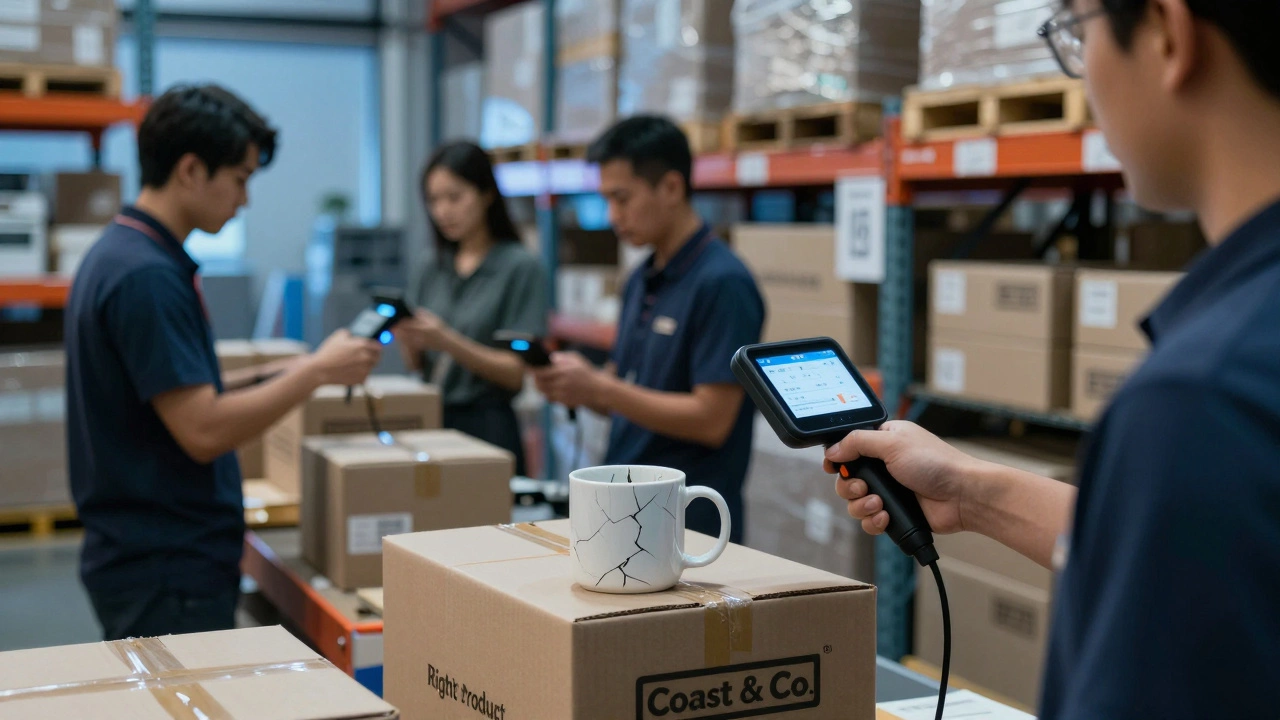
When you order a pair of shoes online and they show up at your door in two days, it’s not magic. It’s the 7 R's of logistics working behind the scenes. This simple framework isn’t taught in every business class, but it’s the backbone of every successful e-commerce operation. If you’re running an online store, managing a warehouse, or just trying to understand why some deliveries fail while others fly, this is the guide you need.
What Exactly Are the 7 R's?
The 7 R's of logistics are seven key factors that determine whether a product reaches the right customer at the right time, in the right condition, and at the right cost. They were developed decades ago by supply chain experts to bring clarity to the chaos of moving goods. Today, they’re more relevant than ever - especially in e-commerce, where customers expect perfection.
Here’s the full list:
- The Right Product
- The Right Quantity
- The Right Condition
- The Right Place
- The Right Time
- The Right Customer
- The Right Cost
Each one matters. Miss one, and you risk returns, bad reviews, lost customers, or wasted money. Let’s break them down one by one with real-world examples.
The Right Product
This sounds obvious, but how many times have you received the wrong item? Maybe you ordered a blue hoodie and got a red one. Or worse - you got a completely different product. This happens because of sloppy warehouse picking, mislabeled inventory, or bad barcode scanning.
In 2025, top e-commerce warehouses use AI-powered picking systems that cross-check orders with real-time inventory data. Companies like Zalando and ASOS cut wrong-item returns by over 60% using these systems. If your warehouse still relies on paper lists or manual scans, you’re leaving money on the table.
The Right Quantity
Did you ever order two phones and get three? Or order ten t-shirts and only got five? Quantity errors are costly. Too many items mean excess inventory, storage fees, and potential waste. Too few? You lose sales, anger customers, and damage trust.
Modern inventory management tools sync with your sales platform. If you sell on Shopify, Amazon, or Etsy, your stock levels should update automatically. If they don’t, you’re at risk of overselling. A 2024 report from the Logistics Intelligence Group found that 34% of small e-commerce businesses still manually update stock - and they lose an average of $12,000 a year to over/under-shipments.
The Right Condition
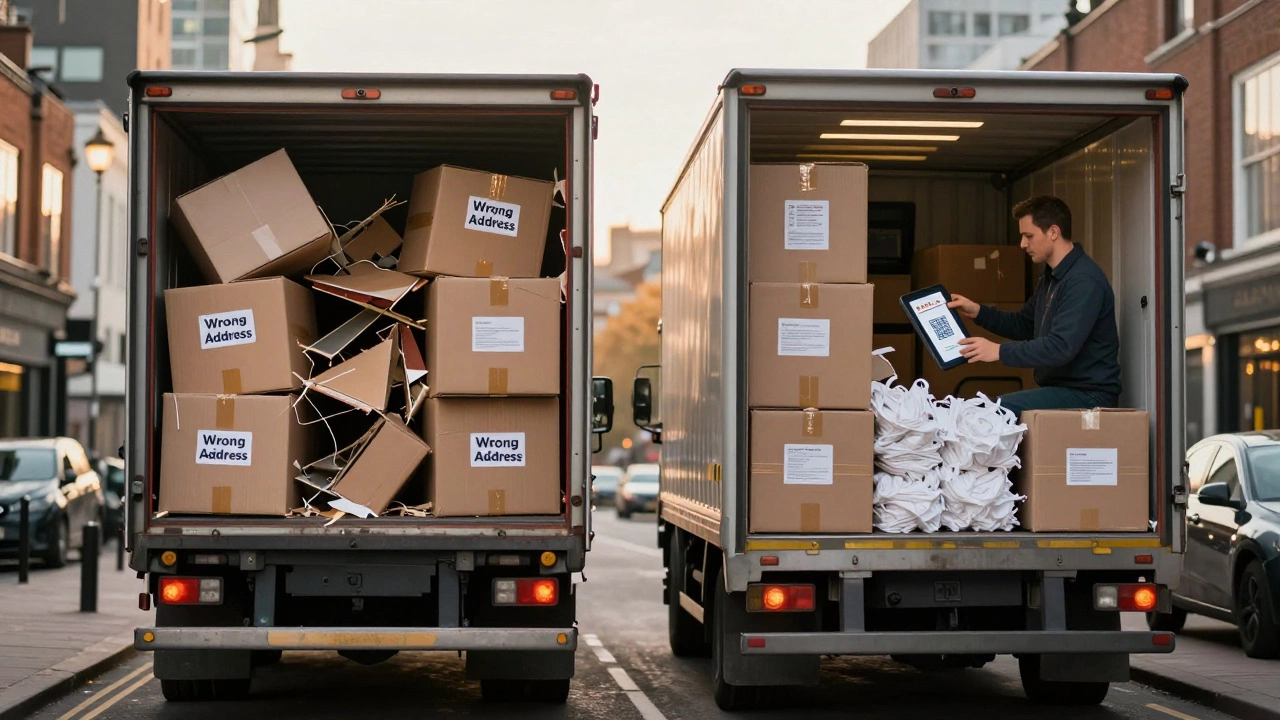
Imagine a customer orders a glass vase. It arrives cracked. Why? Poor packaging. Rough handling. No protective foam. This isn’t just about returns - it’s about reputation. A damaged product can turn a happy buyer into a one-star reviewer.
Best practices? Use box-fitting software to pick the right-sized packaging. Add void fill (like air pillows or recycled paper). Label fragile items clearly. And train your packers. A study by the UK Logistics Association found that warehouses with daily quality checks reduced damage claims by 47% in just six months.
The Right Place
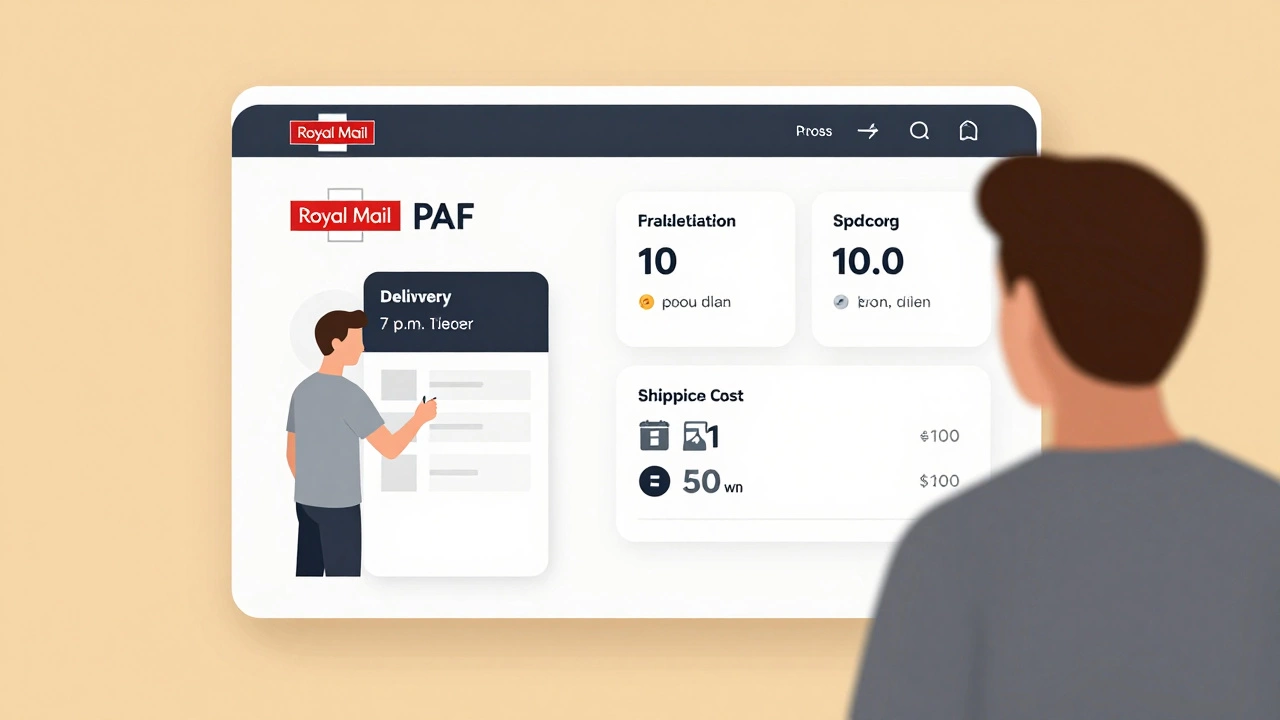
It’s not enough to get the product to the customer. It has to go to the right address. A wrong zip code, a misspelled street name, or an outdated delivery instruction can derail the whole process.
Many e-commerce businesses use address validation tools that check addresses against postal databases before shipping. In the UK, Royal Mail’s Postcode Address File (PAF) is the standard. If your system doesn’t validate addresses, you’re paying for failed deliveries. One logistics provider in Manchester reported saving £85,000 in redelivery costs in 2025 after integrating PAF validation into their checkout flow.
The Right Time
Customers don’t just want fast delivery - they want it when it’s convenient. A 2025 survey by Delivery Insights UK found that 68% of shoppers prefer evening or weekend delivery windows. If you’re only offering 9-to-5 delivery slots, you’re losing business.
Leading platforms now let customers pick delivery times during checkout. Some even use AI to predict the best time based on past behavior. For example, if someone always receives packages at 7 p.m. on Tuesdays, the system learns that. Same-day delivery is no longer a luxury - it’s an expectation. Amazon, Ocado, and even local grocers now offer it. If you’re not offering time slots or same-day options, you’re falling behind.
The Right Customer
This one’s often overlooked. The product must go to the person who ordered it. Sounds simple, right? But fraud, stolen addresses, and fake accounts are rising. In 2025, e-commerce fraud hit £1.2 billion in the UK alone.
Use multi-factor authentication at checkout. Verify billing and shipping addresses match. Flag high-risk orders with tools like Signifyd or Kount. Don’t just rely on CVV codes - they’re easy to fake. Also, train your customer service team to spot red flags. A customer who orders ten laptops and changes the delivery address five times? That’s a warning sign.
The Right Cost
You can ship the perfect product to the perfect person at the perfect time - but if it costs £50 to deliver a £15 item, you’re losing money. The right cost means balancing speed, reliability, and profit.
Many small e-commerce businesses make the mistake of offering free shipping without calculating the real cost. A 2025 study by the British Retail Consortium found that 62% of retailers offering free shipping were losing money on delivery. The fix? Build delivery costs into the product price. Offer free shipping only on orders over £35. Use regional carriers for local deliveries. And always compare carrier rates. A package that costs £4.50 with Royal Mail might cost £2.80 with DPD or UPS.
Why the 7 R's Still Matter in 2026
Technology changes. Customers change. But the 7 R's? They’re timeless. Every automation tool, every AI algorithm, every drone delivery system is just trying to make sure these seven things happen.
If you’re running an online store, ask yourself:
- Do I know if my warehouse picks the right item 99% of the time?
- Do I track damage rates per carrier?
- Do I know which delivery times my customers actually prefer?
Use the 7 R's as a checklist. Review them every quarter. Audit your processes. Talk to your delivery partners. Fix the gaps. The businesses that win in e-commerce aren’t the ones with the flashiest websites - they’re the ones who get the basics right, every single time.
Real-World Example: How a Liverpool-Based Store Improved Returns by 40%
A small home goods shop in Liverpool called Coast & Co. was drowning in returns. Customers were getting broken mugs, wrong sizes, and late deliveries. They didn’t have a system - just guesswork.
They started using the 7 R's as a daily checklist:
- Used barcode scanners to ensure the right product was picked.
- Switched to pre-sized boxes with void fill to reduce breakage.
- Integrated Royal Mail PAF to validate addresses.
- Added delivery time slots during checkout.
- Used fraud detection tools to stop fake orders.
- Repriced products to cover real delivery costs, then offered free shipping on orders over £30.
In six months, their return rate dropped from 18% to 10.8%. Customer satisfaction scores jumped. Their shipping costs fell by 22%. They didn’t hire new staff. They didn’t buy expensive software. They just started asking: Are we meeting all seven R's?
Are the 7 R's only for large companies?
No. The 7 R's apply to any business that ships products - whether you’re a one-person Etsy shop or a multinational retailer. In fact, small businesses benefit the most because they have less room for error. Fixing even one of the R's - like validating addresses or improving packaging - can cut costs and boost reviews.
Do the 7 R's apply to international shipping?
Yes - even more so. International shipping adds complexity: customs, duties, longer transit times, different regulations. But the 7 R's still hold. For example, the "right condition" becomes harder when goods pass through multiple handling points. The "right time" can stretch from 3 days to 3 weeks. The key is adjusting your expectations and communication. Always tell customers the expected delivery window - and stick to it.
Is there an 8th R?
Some experts suggest an "8th R" - the Right Communication. Customers need updates: when their order is packed, when it leaves the warehouse, when it’s out for delivery. Without this, even a perfect delivery feels unreliable. Modern logistics platforms now include automated SMS and email alerts. If you’re not sending these, you’re missing a critical piece of the customer experience.
Can software automate the 7 R's?
Yes - but only if you set it up right. Software doesn’t fix bad processes. It amplifies them. If your warehouse picks wrong items, an AI system will just pick them faster. The tools exist: warehouse management systems (WMS), order management systems (OMS), address validators, and carrier rate comparators. But you still need people to audit the output. Use tech to support the 7 R's - not replace human oversight.
What’s the biggest mistake businesses make with the 7 R's?
They focus only on speed. Everyone wants fast shipping. But if you rush delivery without checking the product, quantity, condition, or customer, you’re setting yourself up for failure. The fastest delivery in the world means nothing if the customer gets the wrong item in a broken box. Speed without accuracy is just noise.