
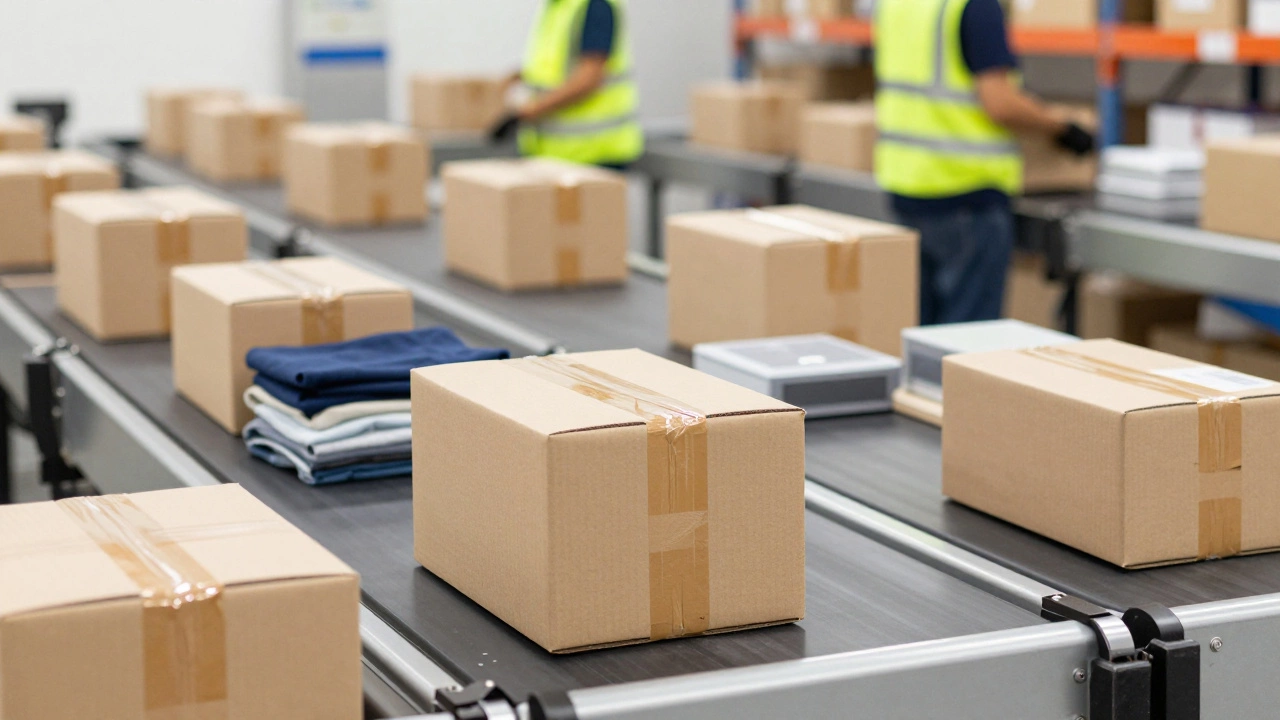
Courier Shipment Eligibility Checker
You’ve packed a box, slapped on a label, and handed it over. Or maybe you’re about to. But have you ever stopped to wonder why some packages get accepted instantly while others are turned away at the counter? It’s not random. Every courier service operates under strict safety regulations designed to protect drivers, warehouses, and other customers. Knowing exactly what can and cannot be sent is the difference between a smooth delivery and a returned package-or worse, a legal headache.
This guide breaks down the universal rules of shipping. We’ll look at what fits in a standard box, what requires special handling, and what absolutely stays off the truck. Whether you’re sending birthday gifts, business documents, or fragile antiques, these rules apply across major carriers like FedEx, UPS, DHL, and national postal services.
The Golden Rule: Safety First
Before we list specific items, understand the core logic behind courier restrictions. Couriers transport goods via trucks, planes, and sometimes trains. The primary concern is risk. If an item can explode, leak, burn, or harm people during transit, it is restricted. This isn’t just corporate policy; it’s often federal law enforced by agencies like the Department of Transportation (DOT) or the International Air Transport Association (IATA).
When you hand over a package, you are signing a contract that says, “This box contains safe materials.” If you lie about the contents, you void insurance coverage and may face fines. So, always be honest with your carrier. If you aren’t sure if something is allowed, ask them directly before packing.
Items You Can Send Without Worry
Most everyday items fall into this category. These are low-risk goods that pose no threat to handlers or transport vehicles. You can ship these through any standard ground or air service without special permits.
- Clothing and Textiles: Jeans, shirts, shoes, and linens are easy to pack and universally accepted. Just ensure they are dry to prevent mold growth during long storage delays.
- Paper Products: Books, magazines, art prints, and documents are ideal for courier services. They are lightweight and non-hazardous.
- Electronics (Dry): Laptops, tablets, cameras, and phones can be shipped. However, keep reading-the batteries inside change the rules slightly.
- Plastic and Metal Goods: Kitchenware, tools (without sharp edges exposed), and toys are generally fine as long as they are securely packed.
- Food (Non-Perishable): Canned goods, dried pasta, rice, and sealed snacks are acceptable. Avoid anything that might spoil or attract pests.
For these items, focus on packaging quality rather than permission. Use bubble wrap, sturdy boxes, and ample cushioning. The goal is to prevent damage, not bypass safety checks.
The Battery Problem: Lithium-Ion Restrictions
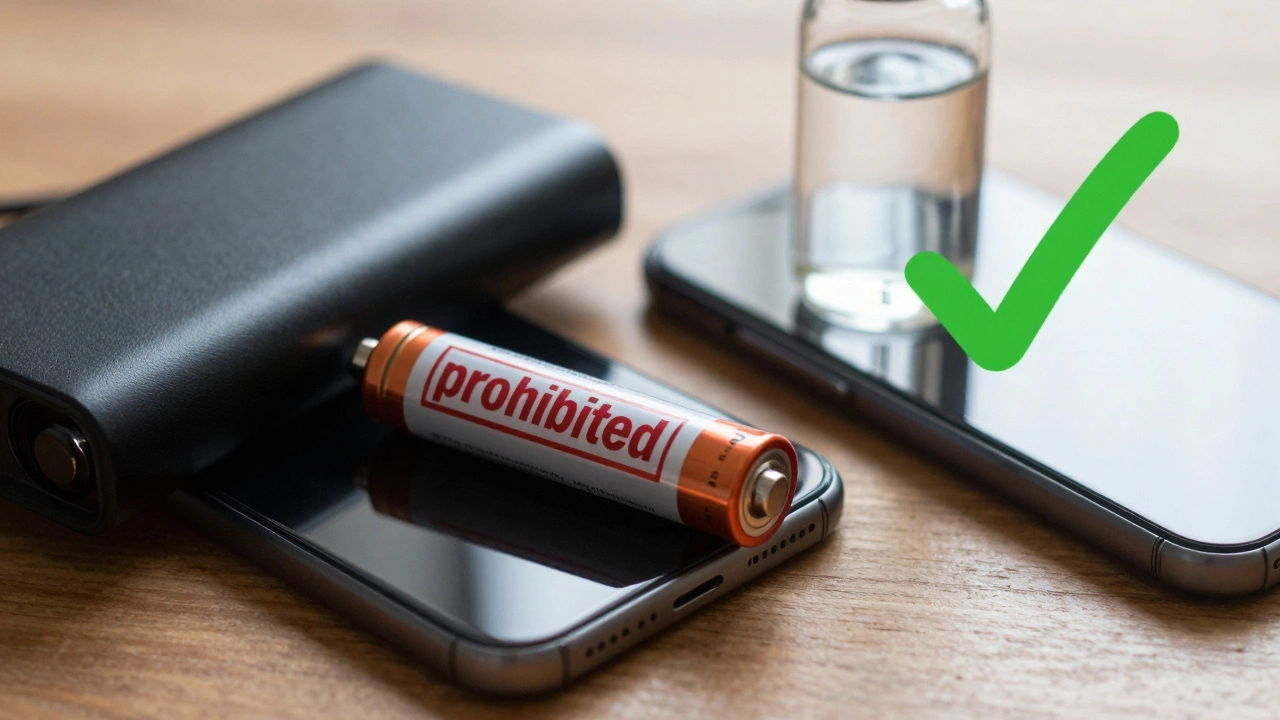
If there is one thing that confuses shippers more than anything else, it’s batteries. Specifically, lithium-ion batteries found in smartphones, power banks, and electric gadgets. These batteries are energy-dense and prone to thermal runaway-a fancy term for catching fire-when damaged, punctured, or short-circuited.
Because of this risk, couriers divide battery shipments into two categories:
- Batteries Installed in Devices: You can usually ship a laptop or phone with the battery inside. The device must be powered off, protected from accidental activation, and properly packaged. Most ground services accept this without issue. Air freight may require additional labeling.
- Loose Batteries: Shipping standalone batteries, spare cells, or power banks is heavily restricted. Many couriers ban them entirely from air transport due to fire risks in pressurized cabins. Ground shipping may allow small quantities but requires specific hazard labels and documentation.
If you are sending electronics, check if the battery is removable. If it is, consider leaving it out unless you are prepared to handle hazardous material declarations. Misdeclaring a loose lithium battery as a regular package is a common mistake that leads to seized shipments and hefty fines.
Liquids, Gels, and Aerosols: The Leakage Risk
Liquids are tricky because they can spill. In a warehouse, a spilled bottle of shampoo is a mess. A spilled bottle of industrial solvent is a disaster. Couriers categorize liquids based on their chemical properties.
Non-Hazardous Liquids: Water-based products like lotions, juices, and wine (within alcohol limits) are generally permitted. However, they must be sealed tightly. Use plastic bags around bottles to contain leaks. Reinforce the box walls so pressure changes don’t burst containers.
Hazardous Liquids: Anything flammable, corrosive, or toxic falls under dangerous goods regulations. This includes gasoline, paint thinner, bleach, and strong acids. These items cannot be sent via standard courier services. They require specialized hazmat carriers with certified drivers and vehicles. Attempting to sneak these through regular mail is illegal and dangerous.
Aerosols add another layer of complexity. Since they are pressurized, they can explode if heated or punctured. Small personal care aerosols (like hairspray) are often allowed in limited quantities via ground transport, but large industrial cans are banned. Always check the net weight limits imposed by your carrier.
Prohibited Items: What Never Gets Shipped
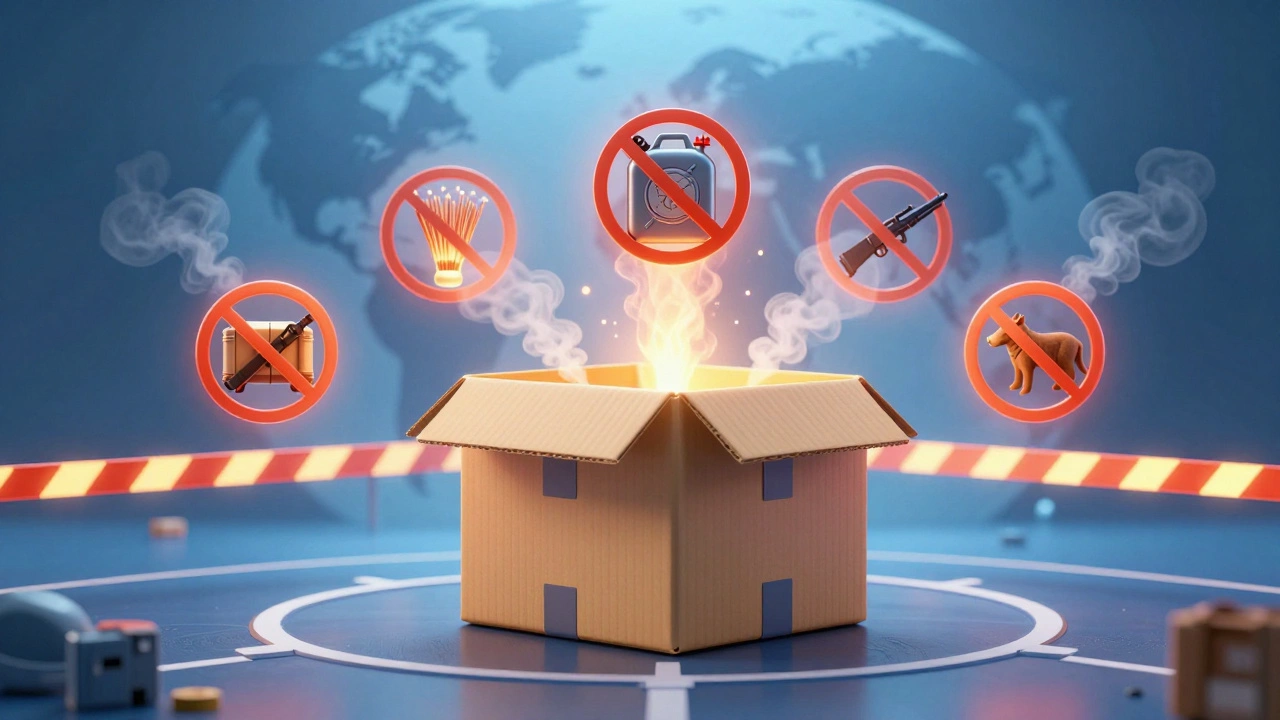
Some items are banned outright by all major courier companies and postal services. There are no exceptions here. Trying to ship these will result in immediate rejection, potential blacklisting, and legal consequences.
| Category | Examples | Reason for Ban |
|---|---|---|
| Explosives & Fireworks | Firecrackers, gunpowder, ammunition | High explosion risk; catastrophic damage potential |
| Flammables | Gasoline, lighter fluid, propane tanks | Fire hazard during transport |
| Illegal Substances | Narcotics, counterfeit drugs, steroids | Violation of criminal law |
| Weapons | Firearms, knives (sometimes restricted), martial arts weapons | Public safety threat; strict regulatory control |
| Live Animals | Pets, insects, fish | Welfare concerns; escape risk; disease transmission |
| Human Remains | Bones, ashes (sometimes restricted) | Health hazards; cultural/legal sensitivities |
Note that "knives" and "tools" sit in a gray area. While not always banned, they often require blunt-edge packaging and explicit declaration. Some couriers refuse them entirely to avoid liability if a worker gets cut. When in doubt, assume sharp objects need professional handling.
Valuables and High-Risk Items
Just because you *can* send something doesn’t mean you *should* use a standard courier. Cash, jewelry, precious stones, and irreplaceable heirlooms are technically shippable but carry immense risk. Standard courier insurance rarely covers full value for high-end items. If a package containing $5,000 worth of gold is lost, you might only recover $100.
For valuables, use specialized secure logistics providers. These services offer armed transport, tamper-evident seals, and real-time tracking. They cost more, but they mitigate the risk of theft and loss. Never send cash through regular mail-it is untraceable and uninsurable.
International Shipping: Extra Layers of Rules
Domestic shipping has rules; international shipping has laws. When a package crosses borders, it enters customs territory. Customs authorities inspect goods for compliance with import/export regulations. This adds new prohibited and restricted categories.
Restricted Imports: Items like plants, seeds, soil, and certain foods are banned in many countries to prevent invasive species and diseases. For example, Australia and New Zealand have extremely strict biosecurity laws. Sending a wooden toy or a bag of coffee beans could result in the package being destroyed and you being fined.
Cultural Sensitivities: Some regions restrict religious materials, political literature, or specific types of media. Research the destination country’s customs code before shipping. Mislabeling goods to evade duties is smuggling and carries severe penalties.
Always include a detailed commercial invoice with international shipments. Vague descriptions like "gift" or "parts" trigger inspections and delays. Be specific: "Cotton T-Shirt, Size M, Blue." Transparency speeds up clearance.
Packaging Matters: How to Get Your Package Accepted
Even if your item is allowed, poor packaging can get it rejected. Couriers inspect boxes for structural integrity. If a box is soft, dented, or held together with tape alone, it may be refused.
- Use New Boxes: Reused boxes often have old labels and weakened corners. Start fresh.
- Seal Properly: Use strong packing tape (not duct tape or masking tape). Seal all seams and edges.
- Cushion Internally: Fill empty spaces with peanuts, air pillows, or crumpled paper. Items should not shift when shaken.
- Label Clearly: Place the shipping label on the largest flat surface. Cover it with clear tape to protect against rain.
Remember, the courier driver handles hundreds of packages daily. Make their job easier, and yours will go smoother. A well-packed box signals professionalism and reduces the chance of mishandling.
FAQ: Common Questions About Courier Restrictions
Can I send perfume by courier?
Yes, but with caution. Perfume contains alcohol, making it flammable. Small bottles (under 100ml) are usually accepted via ground shipping if properly sealed and padded. Large quantities or air freight may be restricted due to hazardous material classifications. Always declare it accurately.
Are power banks allowed in packages?
Power banks contain lithium-ion batteries and are strictly regulated. Most couriers prohibit shipping them via air transport. Ground shipping may allow them if declared correctly and packaged to prevent short circuits. Check with your specific carrier first, as policies vary widely.
Can I ship homemade food?
Domestically, yes, if it is non-perishable and properly sealed. Internationally, almost never. Customs agencies ban homemade food due to health inspection requirements and pest control concerns. Stick to commercially packaged goods for cross-border shipments.
What happens if I accidentally send a prohibited item?
The package will likely be intercepted during screening. Depending on the item, it may be destroyed, returned to sender, or confiscated by authorities. You may lose your money, face fines, or even legal action if the item was illegal. Honesty is always the best policy.
Do I need insurance for valuable items?
Standard courier insurance offers minimal coverage (often $100-$1000). For items worth more, purchase additional declared value coverage. Note that some high-value items like cash or gems may still be excluded regardless of insurance. Consider specialized secure logistics for true valuables.