
Logistics Strategy Optimizer
Input Variables
Fill out the variables on the left to see which carrier model fits your specific shipping needs.
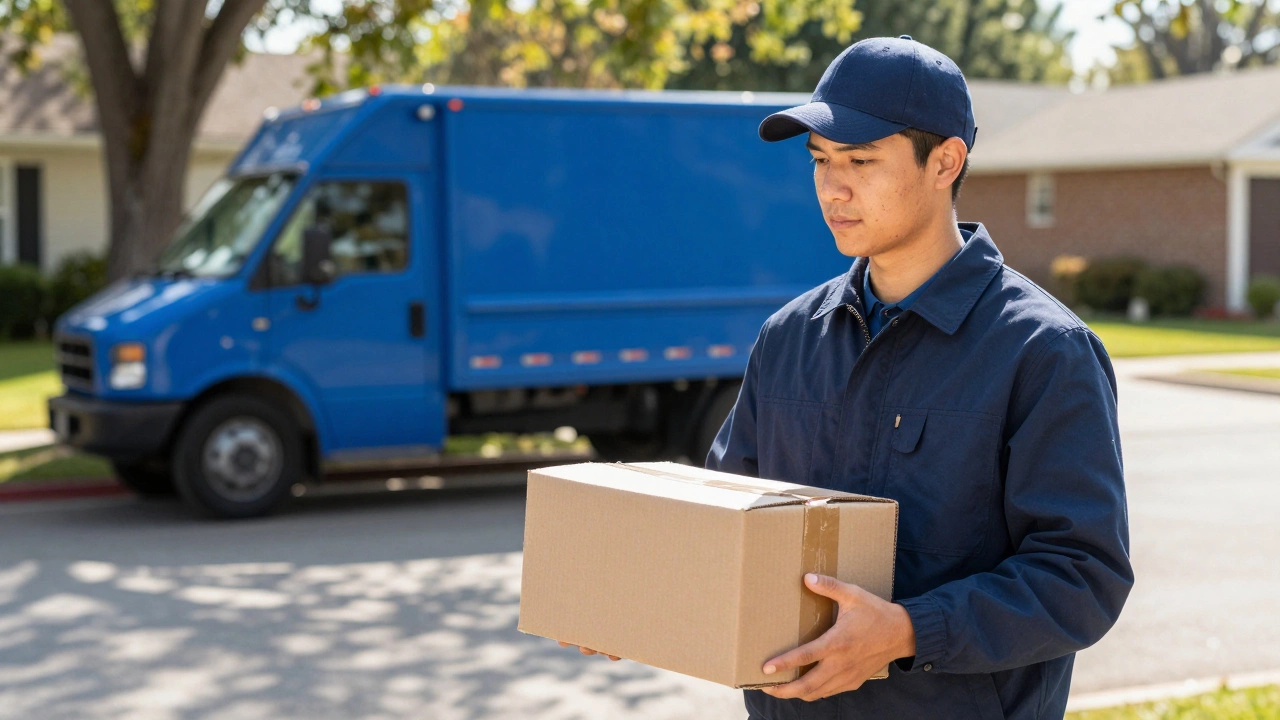
You’ve probably seen that familiar blue truck or a uniformed worker walking up your driveway carrying a package. If you are wondering whether the United States Postal Service handles that final leg of the journey, the short answer is yes. last mile delivery is a massive part of what they do every day. They don’t just deliver letters anymore; they are one of the largest parcel networks in the world. This matters because choosing the right carrier affects your costs, speed, and customer satisfaction.
For businesses and individuals alike, knowing exactly how the USPS fits into the logistics puzzle helps you make better shipping decisions. While private companies get a lot of hype, the Postal Service often does the heavy lifting when things get handed off for the final drop-off. Let’s break down exactly how this works, where the overlaps happen, and why it impacts your bottom line.
What Exactly Is Last Mile Delivery?
When people talk about logistics, they often skip past the boring middle parts and jump straight to the end game. That end game is known as last mile delivery. This term describes the final step of transporting a product from a distribution center to its destination, which is usually a home or a business address. It is widely considered the most expensive and complex part of the supply chain.
Last Mile Delivery is the final movement of goods from the transportation hub to the customer’s doorstep. Also known as final stop delivery, it accounts for up to 28 percent of total shipping costs. The difficulty lies in traffic patterns, missed deliveries, and the sheer number of individual stops required.In many cases, a shipment travels hundreds of miles via plane or train before hitting the local area. Once it enters a specific zip code, the job shifts to a local handler. This is where the distinction between long-haul freight and last mile becomes clear. Long-haul moves bulk cargo; last mile moves individual pieces directly to recipients.
The USPS Role in Final Delivery
The United States Postal Service operates a network that reaches almost every physical address in the country. Unlike competitors who rely on contract drivers or third-party hubs, USPS maintains its own fleet and workforce for this specific task. When a package arrives at a local Post Office Distribution Center, it gets sorted into carrier routes.
A carrier takes the packages assigned to their route onto their vehicle. These routes are calculated based on density and geography. Some routes cover dense city blocks, while others stretch across vast rural distances. Because of this infrastructure, USPS provides a level of consistency that smaller players struggle to match. Even in remote locations where private couriers might skip a drop-off, the Postal Service is legally obligated to serve.
United States Postal Service is an independent agency of the executive branch responsible for providing postal service in the United States. Established in 1792, it serves over 161 million households daily. Its universal service obligation ensures everyone receives equal access regardless of location.This system allows them to absorb high volumes during peak seasons. You see this clearly around holidays when private carriers experience bottlenecks. USPS has built-in capacity at local processing plants that act as the final checkpoint before the carrier picks up the bags for the morning run.
Partnerships and Handoffs
Many people assume a package shipped via UPS or FedEx stays with them until it hits the door. That is often not the case. Large retailers frequently use hybrid models. For example, Amazon frequently utilizes USPS for certain residential deliveries to manage costs and increase coverage. Similarly, regional carriers often hand off lower-priority mail to the Postal Service for the final leg.
This arrangement is called "transportation handoff." The private carrier moves the package cross-country, drops it off at a USPS facility, and then USPS completes the trip. From the customer’s perspective, the package is still arriving via USPS, even if it started as a branded box from another company. This saves money for the sender and utilizes the USPS route efficiency.
If you are an e-commerce seller, understanding this dynamic changes how you quote shipping. Sometimes paying for a premium carrier rate isn't necessary if the final mile will end up being handled by the postal network anyway. This is common with services labeled as "Ground Advantage" or similar economy shipping tiers.
Comparing USPS to Private Carriers
| Feature | USPS | Private Couriers |
|---|---|---|
| Coverage Area | Nearly 100% of US addresses including PO Boxes | Primarily street addresses and business centers |
| Rural Access | Excellent, mandated service | Variable, often higher costs or skipped stops |
| Tracking Speed | Updates at pickup and delivery mainly | Frequent updates during transit |
| Pricing Model | Budget-friendly for light packages | Higher base rates, better for heavy freight |
When you look at the table above, a pattern emerges. USPS excels where private carriers lag: accessibility and price for lightweight items. However, private carriers often offer faster guarantees for time-sensitive shipments. If you need something overnight, a dedicated express courier is usually more reliable than standard postal mail.
The trade-off comes down to urgency versus budget. If a customer doesn't need their order tomorrow, sending it through the postal network significantly reduces overhead. Conversely, if the order involves fragile electronics or tight deadlines, a private courier provides more control and insurance options.
Infrastructure and Sorting Facilities
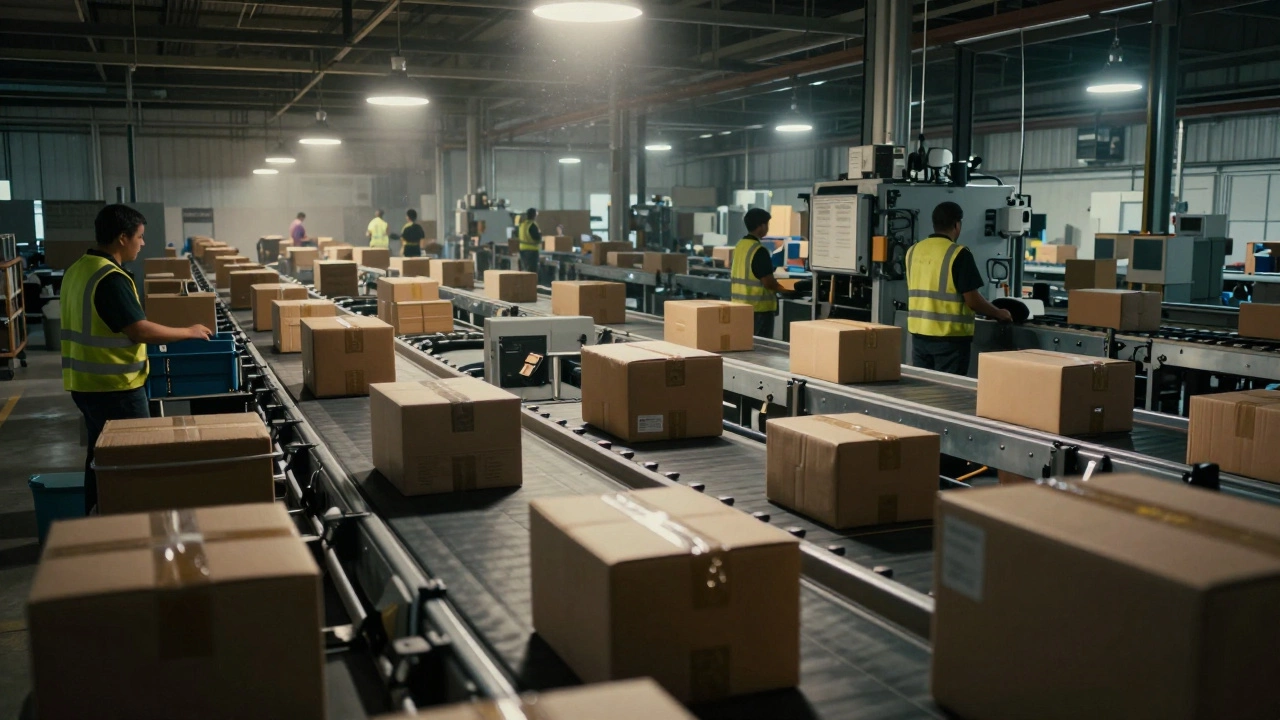
The backbone of this operation relies on Processing and Distribution Centers. These facilities sort millions of pieces daily. Inside these buildings, automated scanners read barcodes and direct packages toward the correct city or neighborhood. Once the package leaves the main conveyor belt, it heads to the loading dock.
From there, a local carrier picks up the bag destined for their specific walk or drive route. In urban environments, a driver might load a trunk full of boxes. In rural settings, they might take several large bins. This physical flow requires precise timing. If the truck misses its scheduled window, the delivery delays until the next day.
This is why tracking is sometimes inconsistent. A scan might happen at the sorting plant, but the final update only triggers when the carrier marks the delivery complete on their handheld device. Knowing this prevents panic if a package seems "stuck" at a local post office for a few hours.
Reliability and Customer Experience
How does this feel for the person waiting at home? For most, it is routine. The knock on the door or the note slipped into the mailbox is a signal of completion. However, experiences vary based on weather, staffing levels, and local management.
Package Tracking is a system used to trace the location and status of a package during transit. It typically includes key events like acceptance, departure, arrival, and out for delivery.During severe winter storms or labor shortages, the reliability score can dip. The difference between USPS and a private company here is accountability. USPS is government-funded and has a public mandate to operate despite profit margins. Private companies may pause operations entirely if conditions get too dangerous, whereas the postal service strives to keep moving.
Customers also benefit from the ability to leave instructions. Many carriers now allow digital authorization for leaving packages outside if a signature isn't strictly required. This flexibility speeds up the process and reduces the "failed delivery" attempts that clog up the backlog.
Steps to Utilize USPS for Shipping
If you decide to leverage their network, the process is straightforward. First, weigh your package accurately. Then, calculate dimensions to find the best fit envelope or box. You can schedule a pickup online or drop it off at a retail counter.
- Prepare the item securely with padding if needed.
- Print the shipping label with a barcode visible.
- Pay postage online or in-store using a credit card.
- Hand the package to the clerk or place it in the drop box.
- Monitor the tracking number for delivery confirmation.
Small businesses often buy in bulk. Buying stamps or labels online in bulk offers discounts. This approach streamlines operations so you aren't standing in line at the counter every time a new order comes in.
Common Misconceptions
A lot of confusion stems from branding. Sometimes a package looks like it belongs to Amazon or a specific brand, but the driver wearing the hat delivering it is a USPS employee. The box design belongs to the sender, not the carrier. Just because a package has a big logo on it doesn't mean that company handled the entire transport journey.
Another myth is that USPS is slow. While their standard ground service isn't always the fastest on paper, the actual time spent at the local level is competitive. The delay usually happens upstream in the sorting phase, not the delivery phase.
People also think they can't ship internationally. In reality, USPS handles a significant portion of cross-border mail through alliances with global postal operators. They hand off international parcels at customs, which facilitates entry into other countries efficiently.
Final Thoughts on Logistics Choice
Selecting the right method depends on where the customer lives and what they expect. For domestic orders, especially those going to rural addresses, the postal option remains unbeatable for coverage. It bridges gaps that private trucks cannot reach easily. For businesses balancing margin and service quality, mixing both carriers in your strategy often yields the best results.
The decision comes down to prioritization. If you prioritize lowest cost and maximum addressability, USPS wins. If you prioritize guaranteed overnight speed or specialized handling, you lean toward express couriers. Most smart logistics plans utilize both tools depending on the specific order requirements.
Does USPS deliver packages to PO Boxes?
Yes, USPS is the only carrier allowed to deliver directly into PO Boxes. Private couriers like FedEx and UPS generally cannot access locked boxes unless they arrange for a street address pickup point.
Can I track my USPS package in real-time?
You can track status updates, but true real-time GPS tracking for the driver's exact location isn't available to consumers. Updates happen at scanning checkpoints rather than continuous movement tracking.
Is USPS last mile delivery slower than FedEx?
It depends on the service class. Standard Ground is often slower than Overnight Express services. However, Priority Mail can compete effectively on speed within the same region.
Why would a retailer choose USPS for shipping?
Retailers choose USPS for its universal service obligation, meaning it delivers everywhere at a flat rate advantage. It also avoids fuel surcharges that private carriers apply during price hikes.
What happens if the carrier misses the address?
If delivery fails, the package is held at the local Post Office. You can pick it up with ID or request re-routing to a different address after paying a fee.