
Freight Forwarding Cost & Mode Estimator
Shipment Details
Estimated Analysis
Mode Comparison
Forwarder Value Add:
- Customs Clearance Included
- Documentation Handling
- Insurance Estimate
You’ve just hit 'send' on that big international order. But what actually happens between your warehouse door and the customer’s doorstep? It isn’t magic, and it certainly isn’t a single truck driving across an ocean. Behind every successful shipment is a complex web of coordination, paperwork, and physical movement managed by freight forwarders, who act as the architects of global trade. Understanding their specific activities helps you see why shipping costs what they do and where delays usually hide.
Most people think freight forwarding is just booking space on a ship or plane. That’s only one tiny slice of the pie. A forwarder is essentially a travel agent for your goods. They don’t own the planes or ships (usually), but they know exactly which ones are available, how to pack them efficiently, and how to navigate the bureaucratic maze of international law. Their activities span from the moment your product leaves your factory floor until it clears customs at its final destination.
The Planning Phase: Mode Selection and Route Optimization
Before any box moves, the forwarder sits down with the specifics of your cargo. This is the strategic brainwork of the job. They analyze weight, dimensions, fragility, and urgency to decide on the best mode of transport. Are we talking about air freight for high-value electronics needing speed? Or perhaps sea freight for heavy machinery where cost efficiency matters more than time?
- Air Freight: Fastest option, ideal for perishables or urgent spare parts. Forwarders negotiate block space on airlines.
- Ocean Freight: Most common for bulk goods. Choices include Full Container Load (FCL) for large volumes or Less than Container Load (LCL) for smaller shipments sharing space.
- Rail Freight: Growing in popularity for Europe-Asia routes, offering a middle ground between speed and cost.
- Road Transport: Essential for the first and last mile, connecting factories to ports and ports to warehouses.
Once the mode is chosen, the forwarder maps the route. This isn’t just picking the shortest line on a map. They consider port congestion, seasonal weather patterns, and geopolitical stability. For example, if the Suez Canal is facing disruptions, a smart forwarder will have already identified alternative routes via the Cape of Good Hope before the crisis hits your schedule.
Documentation: The Paperwork That Moves Goods
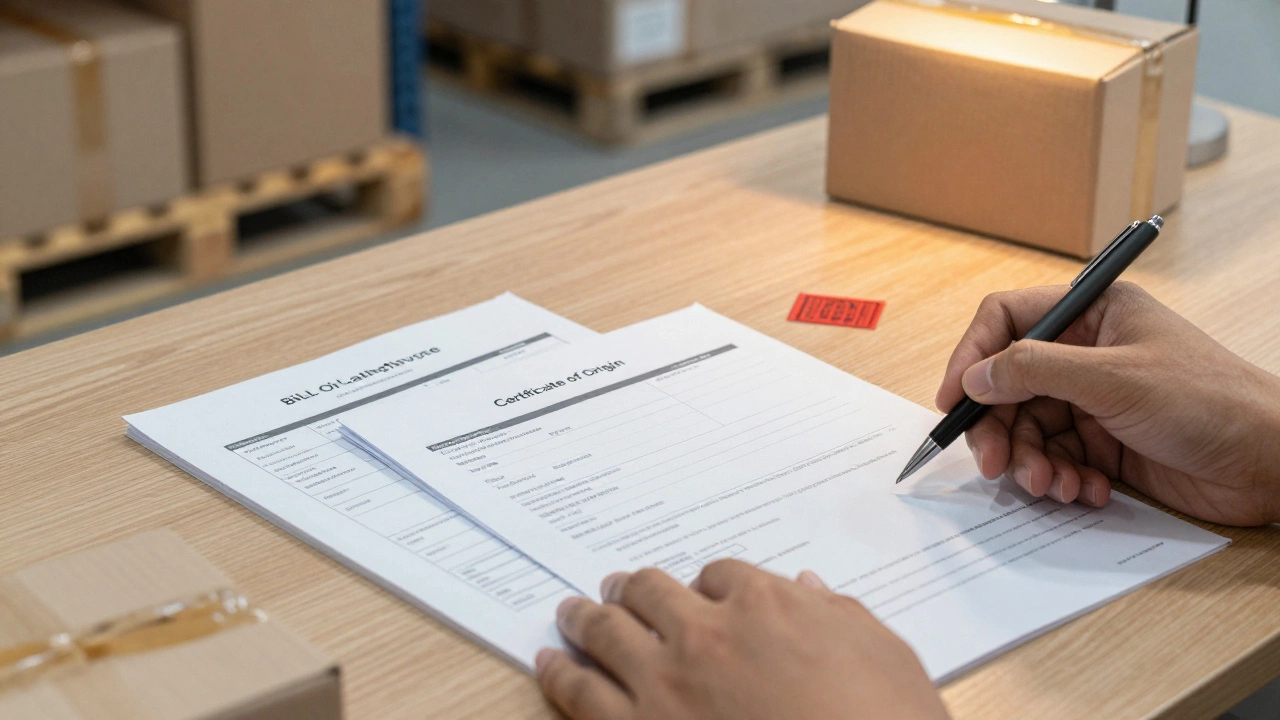
If you think shipping is about boxes, you’re wrong. It’s about papers. In fact, a container can sit idle for weeks because of a missing signature or a typo on a form. One of the most critical activities of a freight forwarder is managing this documentation stack. They ensure compliance with both export and import regulations.
The core documents include:
- Commercial Invoice: Details the value of goods for customs valuation.
- Packing List: Describes the contents, weight, and packaging of each package.
- Bill of Lading (B/L): The contract between the shipper and carrier, serving as a receipt and title document.
- Certificate of Origin: Proves where the goods were manufactured, crucial for tariff preferences.
- Export/Import Declarations: Legal forms submitted to government authorities.
Forwarders use specialized software to generate these documents accurately. A mistake here doesn’t just mean a delay; it can result in hefty fines or seizure of cargo. They double-check HS codes (Harmonized System codes) to ensure duties are calculated correctly. This attention to detail is often the difference between a smooth delivery and a logistical nightmare.
Customs Clearance and Compliance
International borders are guarded not just by fences, but by laws. Customs clearance is arguably the most sensitive activity in freight forwarding. Forwarders act as brokers, submitting declarations to customs authorities on behalf of the importer or exporter. They interpret complex trade agreements and sanctions lists to ensure your goods aren’t flagged.
This involves calculating applicable duties and taxes. Different countries have different rules for VAT, excise duties, and anti-dumping tariffs. A forwarder stays updated on these changes daily. For instance, if a new tariff is imposed on steel imports from a specific country, the forwarder alerts you immediately so you can adjust pricing or sourcing strategies. They also handle inspections, coordinating with customs officers if a physical check is required. Without this expertise, businesses would need dedicated legal teams just to move products across borders.
Consolidation and Warehousing
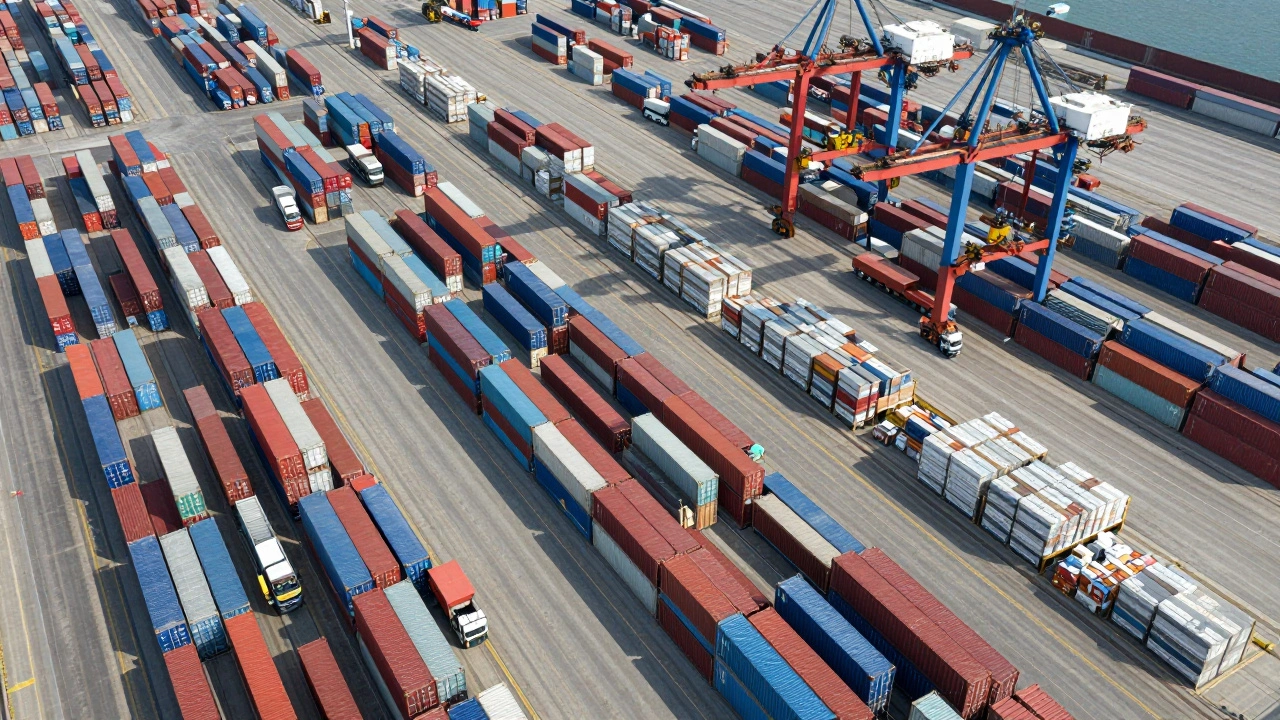
Not every shipment fills a whole container. If you’re sending ten boxes to Germany, paying for a full forty-foot container is wasteful. Here, forwarders engage in consolidation. They collect smaller shipments from multiple clients heading to the same destination and combine them into one container. This lowers costs significantly for everyone involved. At the destination, the process reverses-deconsolidation occurs, and individual shipments are sorted for final delivery.
Warehousing plays a supporting role here. Forwarders often operate or partner with warehouses near ports and airports. These facilities provide temporary storage, allowing goods to be held until import duties are paid or until the final leg of transport is ready. Some forwarders offer value-added services like repackaging, labeling, or quality checks while goods are in transit. This flexibility allows businesses to manage inventory levels more effectively, reducing the need for expensive local stockpiles.
Tracking, Visibility, and Communication
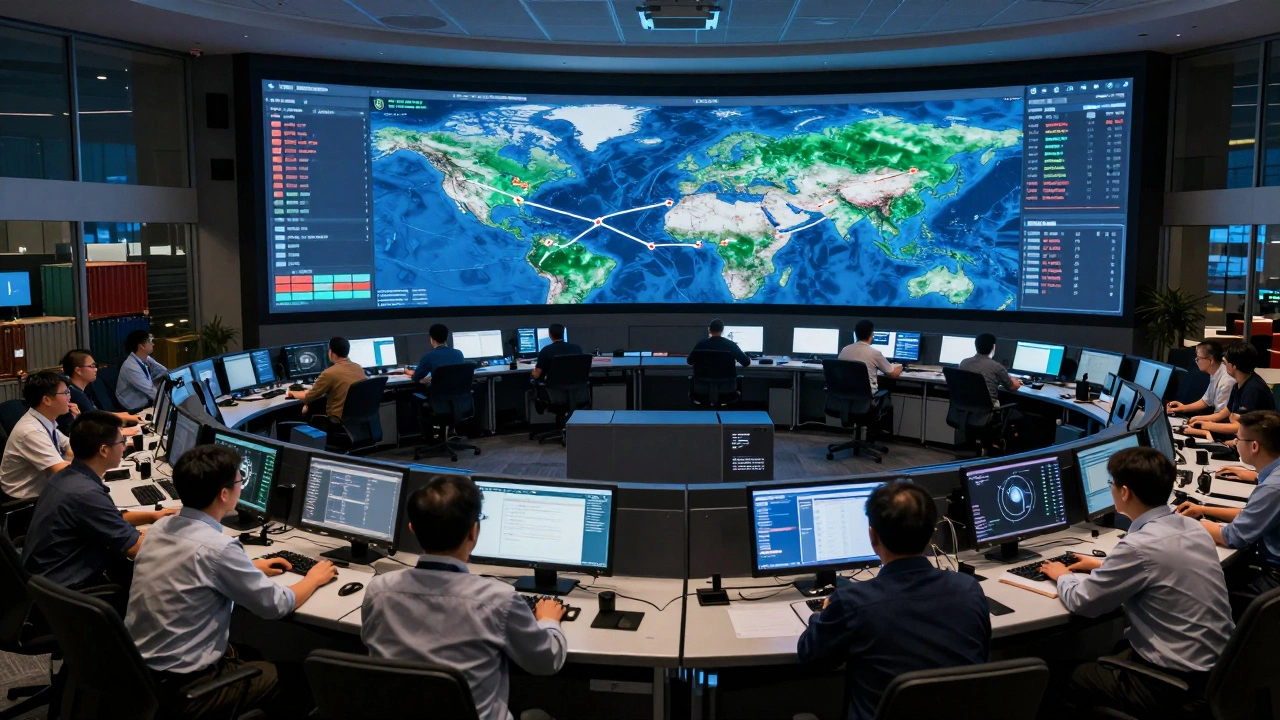
In the modern era, silence is unacceptable. Customers want to know where their stuff is, right now. Freight forwarders provide real-time tracking through integrated technology platforms. You get updates at every key node: picked up, arrived at origin port, loaded on vessel, departed, arrived at destination port, cleared customs, out for delivery.
This visibility is powered by APIs that connect the forwarder’s system with carriers, customs databases, and local couriers. If a storm delays a flight in Chicago, the forwarder sees it instantly and proactively notifies you. They might suggest rerouting via another hub or adjusting expectations. This constant communication loop builds trust and allows supply chain managers to react to disruptions rather than just suffering them. It turns opaque logistics into transparent data streams.
Negotiation and Carrier Management
Behind the scenes, forwarders are constantly negotiating. Because they ship massive volumes globally, they leverage scale to get better rates from airlines, shipping lines, and trucking companies than a single small business ever could. They maintain relationships with dozens of carriers, ensuring they have priority access during peak seasons like holidays.
This activity extends to selecting the right carrier for the right job. Maybe Carrier A has cheaper rates but slower transit times, while Carrier B is faster but pricier. The forwarder matches your needs to the carrier’s strengths. They also monitor carrier performance, tracking on-time delivery rates and damage claims. If a carrier consistently underperforms, the forwarder switches providers, protecting your supply chain from recurring issues.
Risk Management and Insurance
Shipping is risky. Containers fall off ships, trucks crash, and warehouses flood. Part of a forwarder’s duty is mitigating these risks. They advise on proper packaging standards to prevent damage during handling. More importantly, they facilitate cargo insurance. While many shippers buy their own policies, forwarders can arrange coverage that specifically addresses the perils of the chosen route and mode.
In case of loss or damage, the forwarder assists in filing claims. They gather evidence, such as photos of damaged goods and inspection reports, to support the claim. This advocacy saves businesses thousands of dollars and countless hours of administrative headache. By understanding liability limits under conventions like the Hague-Visby Rules, forwarders ensure you know exactly who is responsible when things go wrong.
| Activity | Freight Forwarder | Carrier (Airline/Ship Line) |
|---|---|---|
| Transport Execution | Coordinates multiple carriers | Physically moves the goods |
| Customs Handling | Manages all documentation and clearance | Minimal involvement |
| Rate Negotiation | Negotiates bulk rates for clients | Sets published rates |
| Route Planning | Optimizes multi-modal routes | Fixed schedules and lanes |
| Insurance | Arranges and advises on coverage | Limited liability coverage |
Why These Activities Matter for Your Business
Understanding these activities helps you choose the right partner. Don’t just look at the price per kilo. Look at their ability to handle customs smoothly, their transparency in tracking, and their network of carriers. A cheap forwarder who loses your paperwork in customs will cost you far more in delays and penalties. A proactive forwarder who optimizes your route and consolidates your shipments can actually reduce your total landed cost.
As global trade becomes more complex, with shifting tariffs and environmental regulations, the role of the forwarder evolves. They are no longer just movers; they are strategic advisors. They help you comply with carbon emission standards, optimize packaging to reduce waste, and navigate digital trade platforms. Engaging with them early in your supply chain planning unlocks efficiencies that simple transactional relationships miss.
What is the primary difference between a freight forwarder and a courier service?
A courier service typically handles small packages and documents directly, often using their own fleet for door-to-door delivery. A freight forwarder manages larger shipments, coordinating multiple modes of transport (air, sea, rail, road) and handling complex customs clearance and documentation for international trade.
Do freight forwarders own the vehicles they use?
Most traditional freight forwarders do not own significant assets like ships or airplanes. Instead, they act as intermediaries, leveraging volume to negotiate rates with asset-based carriers. However, some large forwarders may own trucks or warehousing facilities to control the first and last mile of the journey.
How long does customs clearance usually take?
With accurate documentation, customs clearance can take anywhere from a few hours to two days. Delays occur if documents are missing, HS codes are incorrect, or if the shipment is selected for physical inspection. Working with an experienced forwarder minimizes these risks significantly.
What is LCL vs FCL shipping?
FCL (Full Container Load) means you rent an entire container for your goods. LCL (Less than Container Load) means your goods share a container with other shippers’ cargo. LCL is cheaper for smaller volumes but takes longer due to consolidation and deconsolidation processes.
Can a freight forwarder help with domestic shipping?
Yes, many forwarders offer domestic logistics solutions, including trucking, rail, and warehousing within a country. They often handle the inland portion of international shipments, moving goods from the factory to the port and from the destination port to the final warehouse.