
E-commerce Profitability Calculator
Order Parameters
Profit Breakdown
When you click "Buy Now" on a product, the transaction is just the beginning. The real money in e-commerce is online retail business that involves buying and selling goods over the internet isn't made at the checkout; it's made in the space between the order confirmation and the package landing on your doorstep. While many people focus on marketing spend or ad clicks, the backbone of profitability lies in ecommerce logistics is the process of managing the flow of goods from point of origin to point of consumption for online retailers. If you can’t move inventory efficiently, your profit margin evaporates before the customer even opens the box.
The Core Revenue Model: More Than Just Sales
To understand how e-commerce makes money, you first have to look past the gross merchandise value (GMV). GMV is the total value of merchandise sold, but it doesn't account for returns, shipping costs, or payment processing fees. The actual revenue is what remains after these deductions. For most online stores, the goal is to maximize the net profit per order. This requires a delicate balance between pricing strategy and operational efficiency.
Consider a simple scenario. You sell a pair of headphones for $100. Your cost of goods sold (COGS) might be $40. That leaves you with $60 in potential profit. However, if your shipping costs are $15, payment processing fees take $3, and you have a 20% return rate where you lose the shipping cost both ways, your actual profit shrinks dramatically. This is why successful e-commerce businesses treat logistics not as an expense, but as a strategic lever for profitability.
The Hidden Costs of Fulfillment
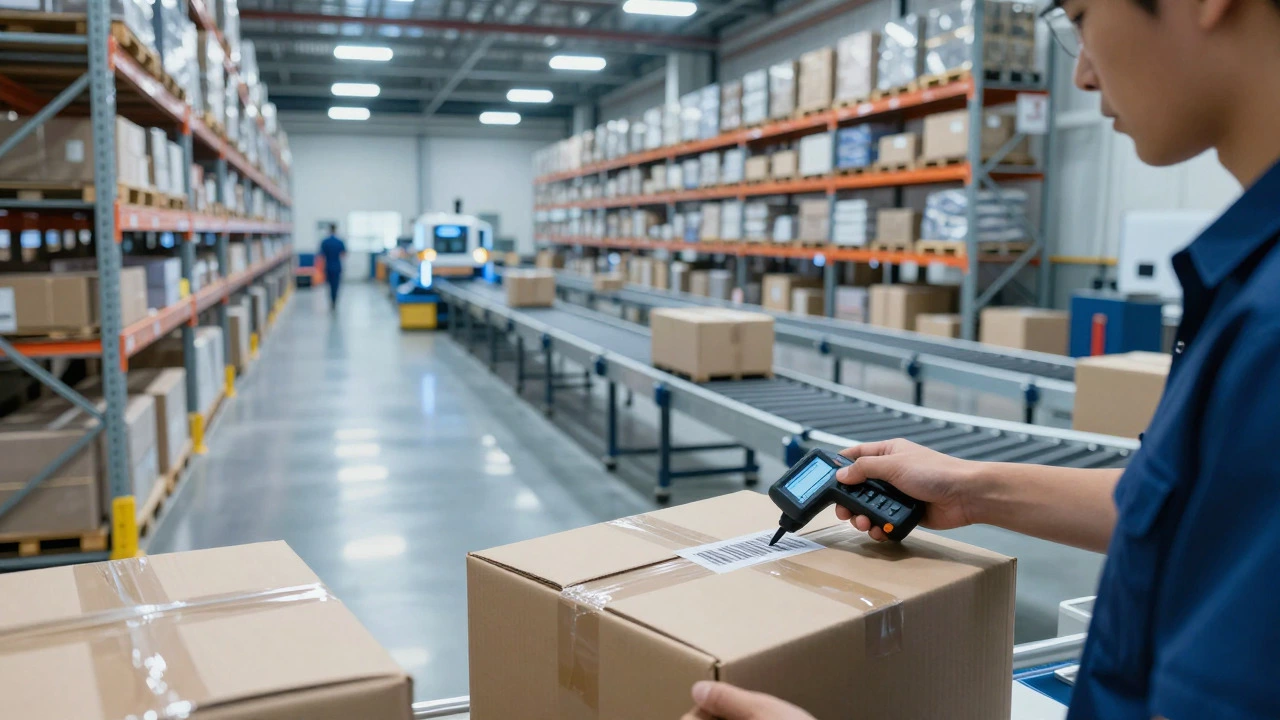
Fulfillment is the engine room of e-commerce. It includes picking items from shelves, packing them securely, and handing them off to carriers. Many small businesses underestimate the labor and time involved in this process. When you fulfill orders yourself from a garage or a small office, you might think you're saving money by avoiding third-party fees. But you're actually paying with your time, which has an opportunity cost.
Professional warehouse solutions are facilities designed to store, manage, and distribute inventory for businesses offer economies of scale. Large warehouses negotiate better rates with carriers like UPS, FedEx, and DHL because they ship thousands of packages daily. They also use advanced logistics software is technology used to track inventory, manage orders, and optimize shipping routes to minimize errors and speed up processing. For a growing brand, moving from manual fulfillment to a structured logistics operation is often the difference between breaking even and scaling up.
Last-Mile Delivery: The Most Expensive Mile
In the world of last-mile delivery is the final step of the delivery process where a package is transported from a transportation hub to its final destination, costs skyrocket. Industry data suggests that last-mile delivery can account for up to 53% of total shipping costs. This is because it involves multiple stops, traffic delays, and the complexity of reaching individual addresses rather than bulk drop-offs at central hubs.
To combat these high costs, many e-commerce companies are turning to innovative solutions. Some use local courier services for same-day deliveries in dense urban areas. Others implement locker systems or pickup points to consolidate deliveries. By reducing the number of individual door-to-door drops, brands can significantly lower their per-unit shipping cost while still meeting customer expectations for speed.
| Fulfillment Model | Cost Structure | Scalability | Control Level |
|---|---|---|---|
| In-House Fulfillment | High labor, low variable costs | Low (limited by space/staff) | High (full control over packaging) |
| Third-Party Logistics (3PL) | Lower labor, higher per-order fees | High (infrastructure already exists) | Medium (dependent on partner quality) |
| Dropshipping | No inventory cost, lower margins | Very High (no physical handling) | Low (supplier controls fulfillment) |

Strategic Inventory Management
Holding too much inventory ties up cash flow, while holding too little leads to stockouts and lost sales. Effective inventory management is crucial for maintaining healthy profit margins. Modern e-commerce businesses use demand forecasting tools powered by artificial intelligence to predict sales trends based on historical data, seasonality, and marketing campaigns.
By keeping inventory closer to the customer through distributed warehousing, brands can reduce shipping times and costs. For example, storing products in regional warehouses across the country allows for faster, cheaper domestic shipping compared to sending everything from a single central location. This strategy not only improves customer satisfaction but also reduces the risk of damage during long-distance transit.
Handling Returns Efficiently
Returns are inevitable in e-commerce, with rates often ranging from 20% to 30% for apparel and higher for electronics. Each return represents a direct hit to profitability due to reverse logistics costs, restocking fees, and potential loss of product value. To mitigate this, successful brands invest in clear product descriptions, size guides, and easy return processes that encourage customers to keep items when possible.
Some companies have turned returns into a retention tool by offering instant refunds upon drop-off or providing seamless exchanges. While this may seem costly upfront, it builds trust and encourages repeat purchases. The key is to analyze return reasons regularly and address root causes, whether it's product quality issues or inaccurate website imagery.
Leveraging Technology for Profitability
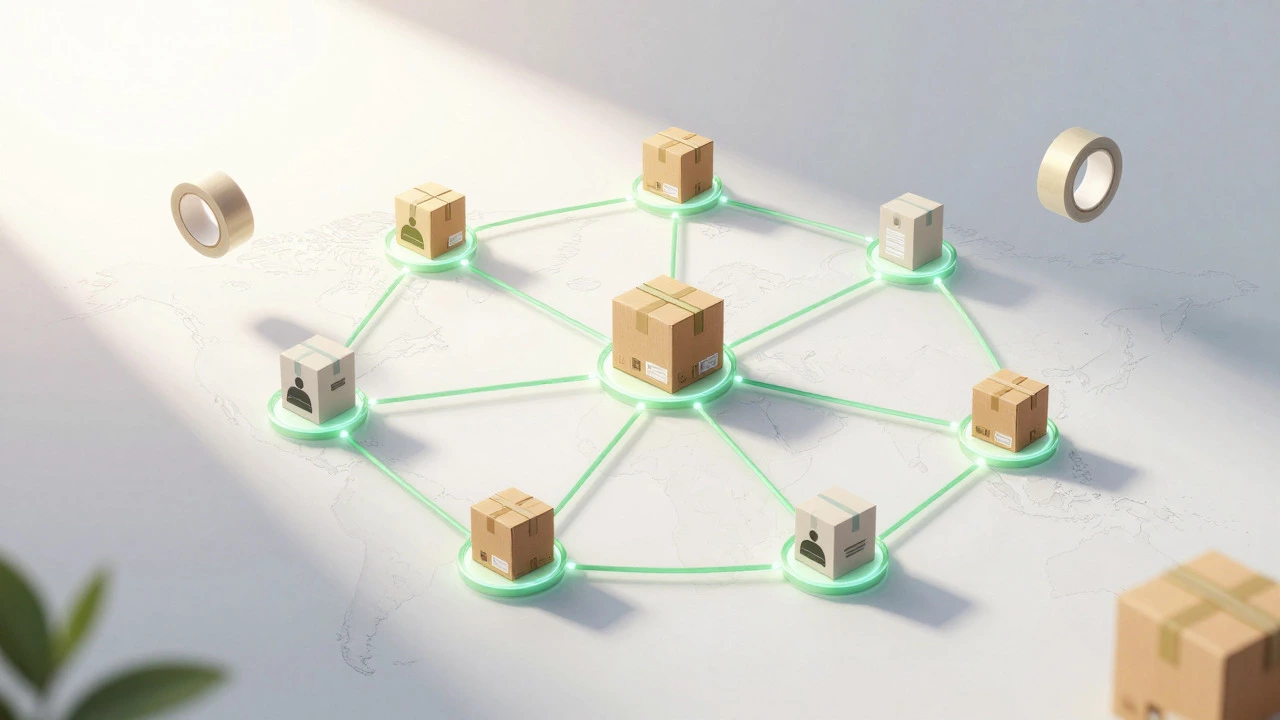
Technology plays a pivotal role in optimizing e-commerce operations. From automated sorting systems in warehouses to AI-driven route optimization for delivery drivers, every technological advancement aims to reduce costs and improve speed. Integration between e-commerce platforms, inventory management systems, and carrier APIs ensures real-time visibility into order status and shipment tracking.
For instance, using a robust logistics platform can automatically select the most cost-effective carrier based on package weight, destination, and service level requirements. This dynamic routing saves money on every order without requiring manual intervention. Additionally, data analytics help identify bottlenecks in the supply chain, allowing businesses to make informed decisions about where to allocate resources.
Building a Sustainable Supply Chain
Sustainability is no longer just a buzzword; it's a competitive advantage. Consumers increasingly prefer brands that demonstrate environmental responsibility. Implementing eco-friendly packaging, optimizing delivery routes to reduce carbon emissions, and partnering with green logistics providers can enhance brand reputation and attract loyal customers.
Moreover, sustainable practices often lead to cost savings in the long run. Reducing packaging waste lowers material costs, while efficient routing decreases fuel consumption. As regulations around carbon footprints tighten globally, early adopters of sustainable logistics will be better positioned to comply and thrive in the evolving market landscape.
Conclusion: Profit Through Efficiency
E-commerce makes money by mastering the art of efficient logistics. It’s not enough to drive traffic to your website; you must ensure that every order is fulfilled cost-effectively, delivered promptly, and handled smoothly if returned. By leveraging technology, optimizing inventory, and choosing the right fulfillment partners, businesses can transform logistics from a cost center into a profit driver. In today’s competitive digital marketplace, those who nail the backend operations will outpace their rivals and build lasting customer loyalty.
What are the main sources of revenue for e-commerce businesses?
The primary source of revenue is the sale of goods or services. However, additional revenue streams include subscription models, advertising partnerships, affiliate marketing commissions, and premium shipping options. Efficient logistics directly impact net profit by minimizing operational costs.
How does last-mile delivery affect profitability?
Last-mile delivery is the most expensive part of the shipping process, often accounting for over half of total shipping costs. High costs here can erode profit margins. Businesses mitigate this by using local couriers, consolidation points, or offering pickup options to reduce individual delivery expenses.
Why is inventory management important for e-commerce profits?
Poor inventory management leads to either excess stock tying up capital or stockouts resulting in lost sales. Accurate forecasting and distributed warehousing help maintain optimal stock levels, reducing storage costs and improving cash flow, which directly boosts profitability.
Can returns be profitable for e-commerce businesses?
While returns themselves are costly, handling them well can drive future profitability. Easy return policies build trust and encourage repeat purchases. Analyzing return data helps improve product quality and listings, reducing future return rates and associated losses.
How do 3PLs help e-commerce companies save money?
Third-party logistics providers offer economies of scale by negotiating better shipping rates with carriers due to high volume. They also provide access to advanced technology and infrastructure without the need for significant upfront investment, allowing businesses to scale efficiently.