
Courier vs. Post Office Decision Tool
Answer the questions below to find out which shipping method best suits your current shipment.
Fill in the details on the left to see your recommended shipping option.
Recommended Option
-
-
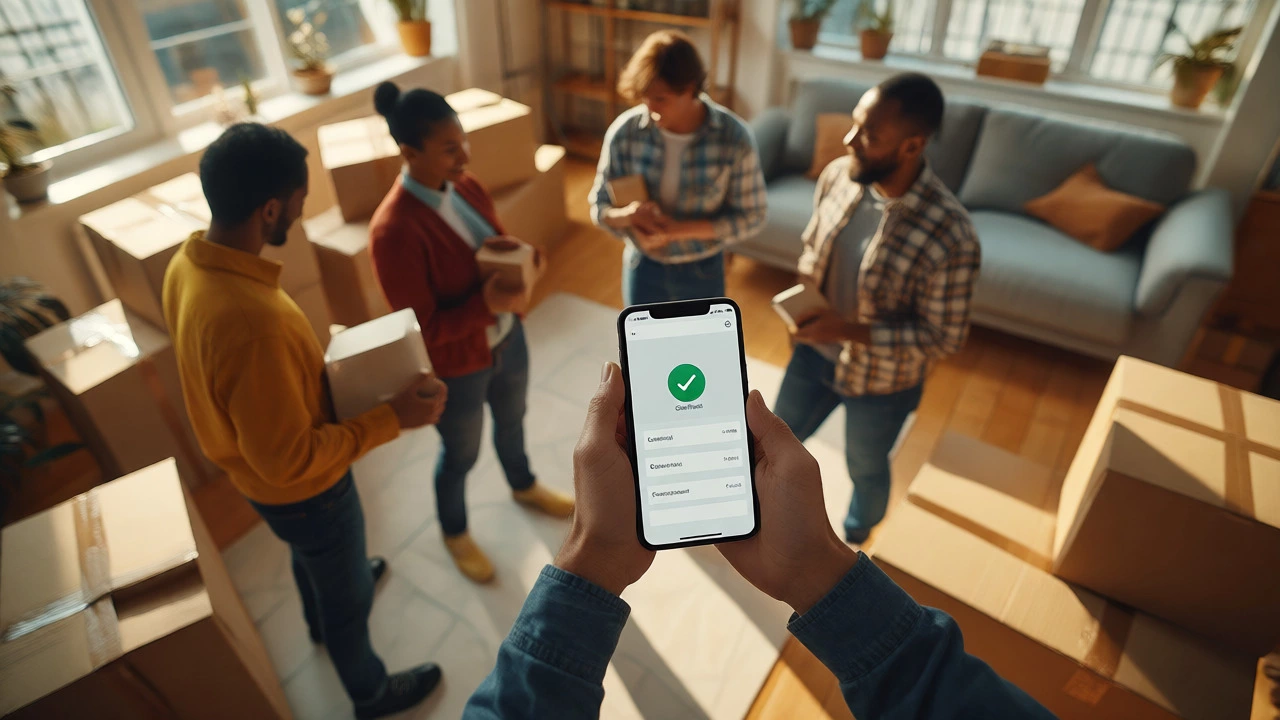
You’re staring at a pile of boxes in your living room. You need to get these items across town by tomorrow morning, or maybe you’re an online seller who just got a rush order from London while you’re sitting in Liverpool. Your first instinct might be to run to the local post office. But wait. Is that really the best move?
Most people assume postal services are always the cheapest option. Sometimes they are. But often, they aren’t. And when it comes to speed, reliability, and handling fragile goods, standard mail often falls short. This is where courier services come into play. They aren’t just for big corporations with massive supply chains. Small businesses, individuals moving house, and even folks sending a birthday gift last minute benefit massively from using dedicated couriers.
So, why would you actually use one? It’s not just about getting a box from A to B. It’s about control, predictability, and peace of mind. Let’s break down exactly why paying a bit more (or sometimes less) for a courier makes sense.
Speed That Actually Means Something
Time is money. We hear this phrase so often it loses meaning. But in logistics, it’s literal. If you’re an e-commerce business, slow shipping kills conversion rates. Customers today expect fast delivery. Amazon set the bar high with next-day and same-day options. If you can’t match that expectation, you lose sales.
Express delivery is the primary reason most people switch to couriers. Unlike standard postal services, which operate on batch schedules, couriers often run direct routes. There’s no sorting center waiting for a truck to fill up. The driver picks up your package and drives it straight to the destination. Or at least, it goes through fewer stops.
Think about a medical lab sample. It needs to get to the testing facility within four hours. The Royal Mail might take two days. A courier like DHL Express or a local bike messenger service gets it there in time. The value of the item isn’t just its material cost; it’s the urgency attached to it. When speed is critical, couriers are the only viable option.
Real-Time Tracking and Visibility
Have you ever sent a letter via standard post and had absolutely no idea if it arrived? You hope it did. But you don’t know. That uncertainty is stressful. Now imagine you’re sending a £500 laptop to a client. Would you trust that to a system without detailed tracking?
Courier services provide granular tracking. You don’t just see "shipped" and "delivered." You see every scan point. Your package left the depot at 9:14 AM. It arrived at the regional hub at 11:30 AM. It’s out for delivery now. This level of transparency builds trust. For the recipient, knowing exactly when a package arrives reduces anxiety and missed deliveries.
This data helps businesses too. If a shipment is delayed, you can proactively contact the customer before they complain. You can adjust inventory expectations. Standard postal services often lack this real-time granularity, leaving you blind until the package shows up-or doesn’t.
Handling Fragile and High-Value Goods
Not all packages are created equal. A pair of socks can survive being thrown into a bin. A glass vase cannot. Standard postal networks are designed for volume. Parcels are tossed onto conveyor belts, stacked high in trucks, and handled by hundreds of hands. Rough handling is inevitable.
Couriers specialize in care. Many offer specific services for fragile items, art, electronics, or medical equipment. They use padded vehicles, air-ride suspension trucks, and trained drivers who understand how to handle delicate cargo. If you’re shipping a wedding dress or a vintage guitar, the risk of damage with standard mail is significantly higher.
Moreover, insurance options are clearer and more comprehensive with couriers. While postal services have basic coverage, couriers often allow you to insure for the full replacement value easily. If something breaks, the claim process is usually faster because the chain of custody is shorter and better documented.
Door-to-Door Convenience
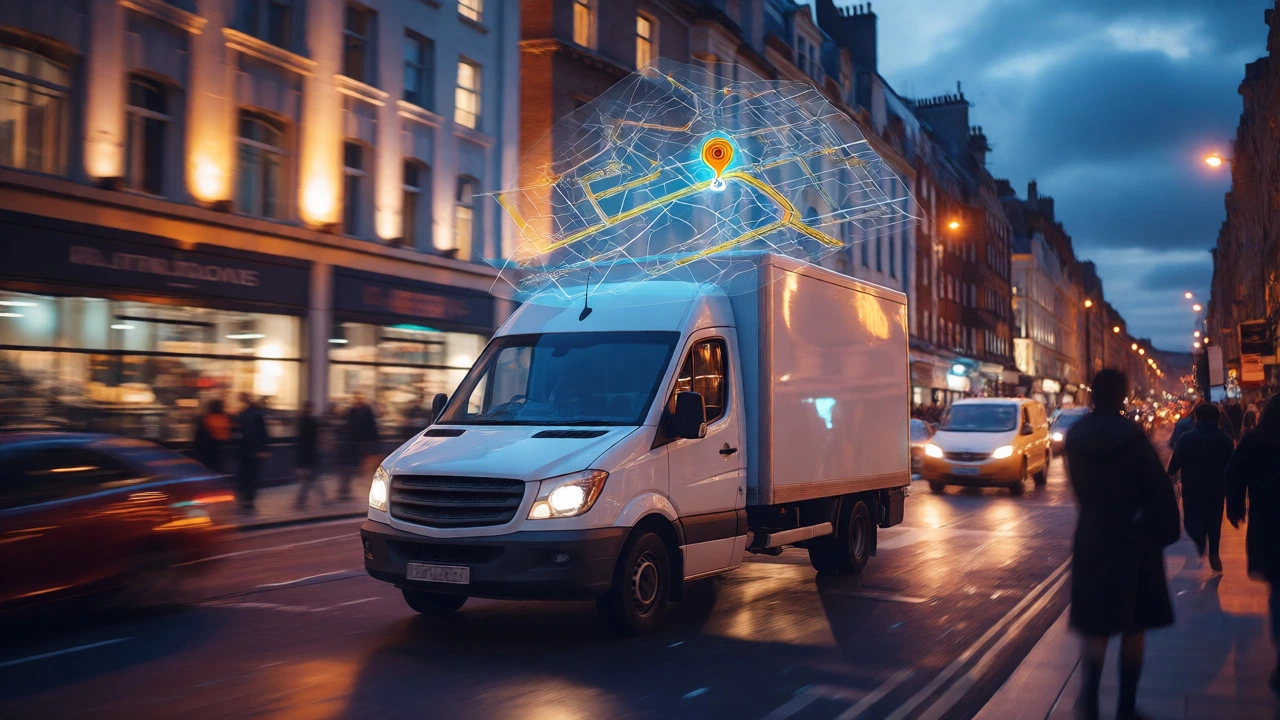
Sending a package shouldn’t require you to drive to a post office, stand in line, fill out forms, and then hope the recipient lives near their local branch. Couriers pick up from your door. This is a huge time-saver for small business owners. Instead of spending three hours a week managing postage, you book a collection online. The driver shows up. You hand over the box. Done.
For recipients, many couriers offer flexible delivery windows. Can’t receive a package between 9 AM and 5 PM? No problem. You can often reschedule for evening slots or weekend deliveries. Some even offer locker pickup options if you’re not home. This flexibility reduces failed delivery attempts, which are a major pain point for both senders and receivers.
Cost Efficiency for Bulk and Regular Shipments
Here’s a common myth: couriers are always expensive. For a single, small envelope, yes, the post office wins. But for regular shipments, couriers can be cheaper. Why? Volume discounts.
If you ship twenty packages a month, you can negotiate rates with courier companies. Postal services have fixed price bands based on weight and size. Couriers compete on price for business accounts. You might find that a parcel under 2kg costs the same as second-class post but arrives in 24 hours instead of 3-5 days. Suddenly, the value proposition shifts.
Additionally, consider the hidden costs of standard mail. Failed deliveries mean redelivery fees or return shipping costs. Lost items mean lost revenue and customer service headaches. When you factor these in, the slightly higher upfront cost of a courier often balances out or saves money in the long run.
Specialized Logistics Needs
Sometimes, your shipment has unique requirements. Maybe it needs temperature control. Perhaps it’s hazardous material. Or it needs to cross international borders quickly with customs pre-clearance.
International shipping is another area where couriers shine. Companies like FedEx, UPS, and DHL have established global networks. They handle customs paperwork efficiently, reducing delays at borders. Standard international post can take weeks and often suffers from poor tracking once it leaves the country.
Couriers also offer specialized solutions like white-glove delivery for furniture, cold-chain logistics for pharmaceuticals, and same-day bike messengers for urban areas. These niche services simply don’t exist in the general postal network. If your product requires special treatment, a courier is not just a preference; it’s a necessity.

Comparing Courier vs. Standard Post
To make the decision easier, let’s look at the key differences side-by-side. This table highlights where each option excels.
| Feature | Courier Service | Standard Postal Service |
|---|---|---|
| Average Delivery Time (Domestic) | Next Day or Same Day | 2-5 Business Days |
| Tracking Detail | High (Scan points, GPS) | Low (Basic milestones) |
| Insurance Coverage | Customizable, Full Value | Limited, Fixed Caps |
| Pickup Availability | Door-to-Door Collection | Drop-off Required |
| Best For | Urgent, Valuable, Fragile Items | Non-urgent, Low-value Letters |
When Should You Stick with the Post Office?
Couriers aren’t magic bullets. If you’re sending a birthday card to your grandma in Scotland, and it doesn’t need to arrive by Tuesday, use the post. It’s cheaper, simpler, and perfectly adequate. Don’t over-engineer your logistics. Match the service to the need.
The rule of thumb is simple: If the item is valuable, urgent, fragile, or important to your brand image, use a courier. If it’s low-stakes, non-urgent, and cheap, stick with standard mail.
Frequently Asked Questions
Is a courier service always more expensive than the post office?
Not necessarily. While single-item costs are often higher, couriers can be cheaper for regular business shippers due to volume discounts. Additionally, when factoring in potential losses from damaged or lost items, couriers often provide better overall value.
Can I track my package with a courier?
Yes, almost all reputable courier services offer real-time tracking. You can typically view every scan point of your package's journey, from pickup to final delivery, often via a mobile app or website link provided at booking.
Do couriers handle international shipping better than post offices?
Generally, yes. Major couriers like DHL, FedEx, and UPS have integrated global networks that streamline customs clearance and provide reliable tracking across borders, whereas standard international post can suffer from delays and limited visibility once outside the origin country.
What happens if my package is damaged during courier delivery?
Couriers typically offer more robust insurance options than postal services. If damage occurs, the claims process is usually faster due to better documentation and chain-of-custody records. Always declare the correct value at booking to ensure full coverage.
Can I schedule a pickup for my courier shipment?
Yes, door-to-door pickup is a standard feature for most courier services. You can usually schedule a collection window online, saving you the trip to a drop-off point. Some services even offer same-day pickup if booked early enough.