
UK Local Courier Cost Estimator (2026)
Calculate estimated delivery costs based on distance, speed, weight, and optional services.
Shipment Details
Cost Breakdown
Enter details and click "Estimate Cost" to see the breakdown.
Have you ever stared at a quote from a courier company and wondered if you were being ripped off? You’re not alone. Whether you are a small business owner trying to ship an order to a customer in Liverpool or just sending a birthday gift to a friend in Manchester, understanding local courier charges can feel like deciphering ancient code. The price isn't just about weight; it’s a complex mix of distance, speed, package size, and even the time of day.
In 2026, the logistics landscape has shifted significantly. Fuel costs, driver wages, and urban congestion charges have all influenced what you pay at the counter. If you don’t know what to expect, you’ll either overpay for standard service or get hit with surprise fees later. Let’s break down exactly how much local couriers charge, why prices vary so wildly, and how you can predict your costs before you hand over that parcel.
The Core Factors That Drive Courier Prices
You might think that a 1kg box is always going to cost the same to send, regardless of where it goes. But in the world of logistics, that’s rarely true. When a courier calculates your fee, they are looking at several distinct variables. Understanding these helps you see where the money is actually going.
First, there is the Distance Zone, which is a pricing tier based on how far the package travels from the origin postcode to the destination postcode. Most UK couriers divide the country into zones. Sending a package within the same city (like Liverpool to Liverpool) is usually the cheapest. Sending it to the next region (like Liverpool to Manchester) bumps the price up slightly. Cross-country shipments (Liverpool to London) jump significantly because they require more fuel and driver hours.
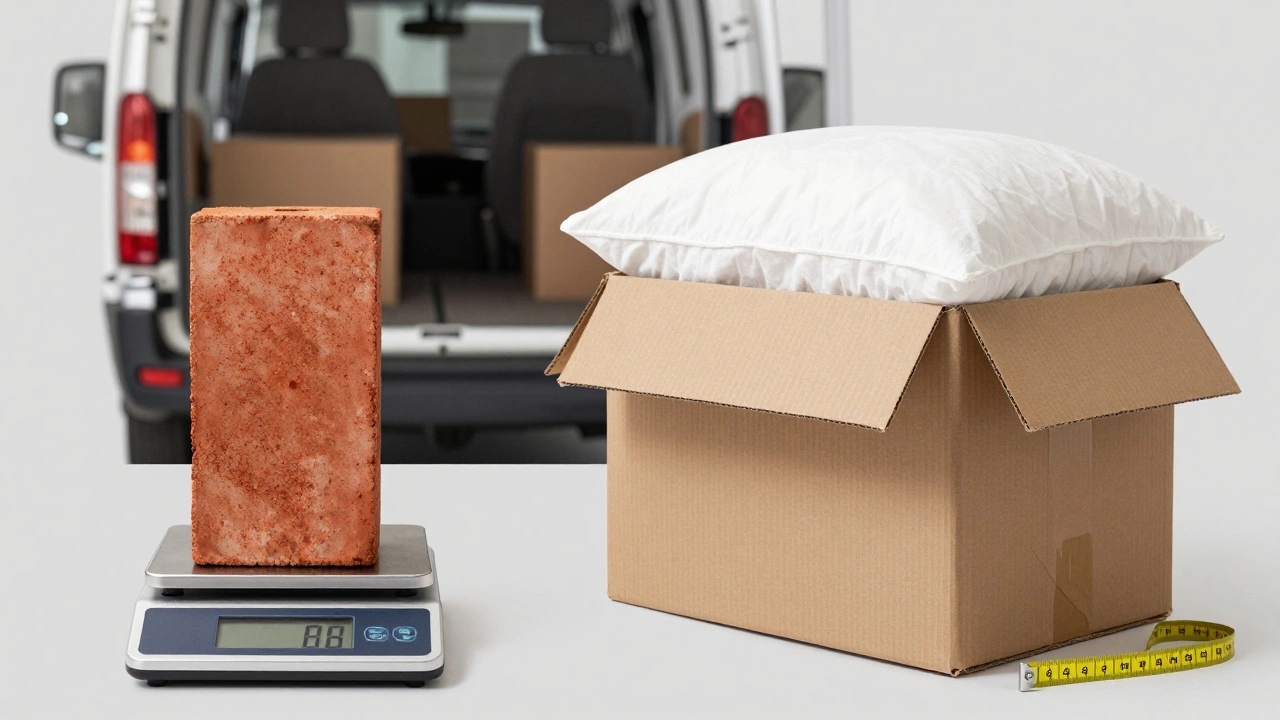
Second, consider the Parcel Dimensions, specifically the physical size and weight of the item being shipped. This is where many people get tripped up. Couriers use "volumetric weight." If you send a large box filled with pillows, it weighs little, but it takes up space in the van. The courier charges for the space it occupies, not just the mass. A small, dense brick might cost less to ship than a large, empty cardboard box.
Third, speed matters immensely. Same-Day Delivery is a premium service guaranteeing arrival within hours rather than days. If you need a document delivered across town by 2 PM, you are paying for priority handling and dedicated vehicle space. Standard next-day delivery is cheaper because the courier can bundle your package with dozens of others heading to the same area.
Breaking Down the Costs: What to Expect in 2026
Let’s get specific. While exact prices fluctuate weekly based on fuel surcharges, we can look at average market rates for local deliveries in the UK as of mid-2026. These figures assume a standard small parcel (up to 2kg) sent via a major national carrier or a reputable local independent courier.
| Service Type | Estimated Cost Range (£) | Best For |
|---|---|---|
| Standard Next-Day (Local Region) | £3.50 - £6.00 | E-commerce orders, non-urgent documents |
| Same-Day Morning Delivery | £8.00 - £12.00 | Urgent parts, legal docs, gifts |
| Same-Day Evening Delivery | £6.50 - £9.50 | Last-minute retail returns, food parcels |
| On-Demand (Within 2 Hours) | £15.00 - £25.00+ | Emergency medical supplies, critical business items |
| Heavy Parcel (10-20kg) Local | £10.00 - £18.00 | Electronics, machinery parts, bulk goods |
Notice the jump for "On-Demand" services. This is often handled by gig-economy platforms or specialized rapid-response fleets. You are paying for immediacy, not efficiency. For most businesses, sticking to scheduled same-day or next-day slots keeps costs manageable.
Hidden Fees: The Surprises That Bite
The base rate is only half the story. Many customers are shocked when the final invoice comes in higher than the quoted price. Here are the most common hidden fees you need to watch out for.
- Fuel Surcharges: Most carriers add a percentage fee based on current oil prices. In 2026, this typically ranges from 3% to 7%. It sounds small, but on high-volume accounts, it adds up quickly.
- Remote Area Add-ons: If your customer lives in a rural village or a remote island, the courier may charge extra. Their drivers spend more time and fuel getting there, and they make fewer drops per hour. Always check if the destination postcode is classified as "remote" before booking.
- Signature on Delivery: Requiring a physical signature increases liability for the courier. They have to wait around, which slows down their route. Expect to pay an extra £1.50 to £3.00 for this assurance.
- Insurance Excess: Basic tracking is usually included, but full insurance coverage is often optional. If you are sending something valuable, like a laptop or jewelry, ensure you understand the default coverage limit (often £50-£100). Anything above that requires a paid upgrade.
- Failed Delivery Attempts: If no one is home to receive the package, the courier will try again. Each re-attempt can incur a fee, especially for same-day services where the driver has to detour back to your location.
Local Independent Couriers vs. National Giants
When deciding who to hire, you generally have two choices: the big national players (like Royal Mail, DPD, or Evri) or local independent couriers. Each has its own pricing structure and value proposition.
National giants offer consistency and wide reach. They have sophisticated software that gives you precise tracking updates. However, their prices are rigid. You pay the list price unless you have a massive contract volume. Customer service can also be impersonal; you’re often stuck in automated phone loops if something goes wrong.
Local independent couriers, particularly those operating in cities like Liverpool, Manchester, or Bristol, often provide better flexibility. Because they operate smaller fleets, they can sometimes negotiate custom rates for regular clients. They are also more likely to communicate directly with you via text or phone if there’s an issue. For very local deliveries (within a 20-mile radius), independents can sometimes undercut national prices because they save on long-haul transport costs. However, they may lack the advanced tracking technology of the bigger firms.
How to Reduce Your Courier Costs
If you are sending packages regularly, you don’t have to accept the highest price tag. There are practical strategies to lower your shipping expenses without sacrificing reliability.
- Consolidate Shipments: Instead of sending three small boxes separately, combine them into one larger parcel. Even if the volumetric weight is higher, you still only pay one base delivery fee. One drop is always cheaper than three.
- Use Correct Packaging: Measure your box accurately. Using a box that is too large increases your volumetric weight charge. Right-sizing your packaging ensures you only pay for the space you actually use.
- Choose Flexible Time Slots: Same-day morning delivery is expensive. If your recipient can accept the package between 2 PM and 6 PM, choose the evening slot. It’s often cheaper and puts less pressure on the driver’s schedule.
- Go Digital: If you are sending documents, ask if a digital copy suffices. Eliminating the physical shipment entirely is the ultimate cost saver.
- Negotiate Volume Discounts: If you are a business sending more than 10 packages a week, contact couriers directly. Don’t just use their online calculator. Ask for a business account. Many carriers offer 10-20% discounts for consistent monthly volumes.
The Impact of Urban Congestion and Green Zones
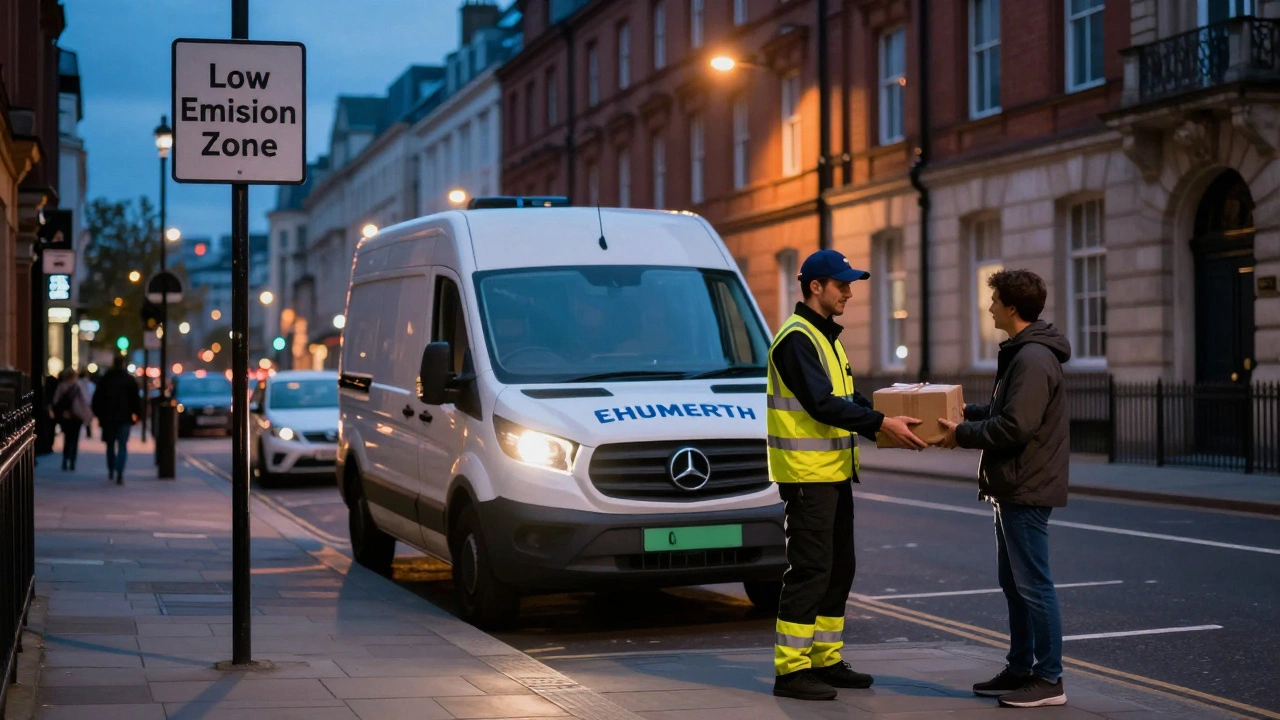
In 2026, environmental regulations play a bigger role in pricing than ever before. Many UK cities have introduced Low Emission Zones (LEZ) or Ultra Low Emission Zones (ULEZ). If a courier uses a diesel van to deliver into central London or parts of Birmingham, they face daily fines.
Couriers pass these costs on to you. Deliveries into these green zones may carry a "clean air surcharge." Conversely, some local couriers are investing in electric vans. While this is good for the planet, it can sometimes mean slightly higher upfront costs due to the premium nature of EV maintenance and charging infrastructure. However, as battery technology improves, these costs are stabilizing. Always ask your courier if their fleet is compliant with local emission standards to avoid unexpected penalties.
Choosing the Right Service for Your Needs
Not every package needs the fastest service available. Over-specifying your delivery requirements is the easiest way to waste money. Ask yourself: How urgent is this?
If it’s a non-urgent e-commerce return, standard next-day or even economy 2-3 day service is fine. Save the same-day budget for genuine emergencies. If you are a retailer, set clear expectations with your customers. Offering free standard shipping but charging for express options is a proven strategy to manage both customer satisfaction and your own margins.
Also, consider the nature of the item. Fragile goods might require special handling fees. High-value items need enhanced insurance. Perishable items, like food or flowers, often require temperature-controlled vehicles, which come at a significant premium. Match the service level to the risk profile of the item.
What is the cheapest way to send a local package in the UK?
The cheapest option is usually standard economy delivery through a national carrier like Royal Mail or Evri, provided the item is under 2kg and doesn't require a signature. For truly local moves, independent bike messengers in cities can sometimes be competitive for very small items, but postal services generally win on price for standard parcels.
Do courier prices change during peak seasons?
Yes, significantly. During Black Friday, Christmas, and back-to-school periods, demand spikes. Couriers often implement "peak season surcharges" ranging from 10% to 25%. It is wise to book early or negotiate fixed-rate contracts if you anticipate high volumes during these times.
Is same-day delivery worth the extra cost?
It depends on your business model. For high-value items or emergency repairs, yes. For low-cost goods, the margin erosion might not be worth it. Customer surveys show that while fast delivery is appreciated, reliable tracking and easy returns are often prioritized over extreme speed for everyday purchases.
How does volumetric weight affect my bill?
Couriers calculate volumetric weight using the formula: (Length x Width x Height) / Divisor (usually 5000 or 6000). If this result is higher than the actual weight, you pay for the volumetric weight. To avoid this, pack tightly and use the smallest possible box that fits your item securely.
Can I track a local courier delivery in real-time?
Most national couriers offer real-time GPS tracking. Smaller local independents may only provide status updates (e.g., "Collected," "Out for Delivery"). If live tracking is crucial for your customers, specify this requirement when choosing your provider, as it may influence the price.