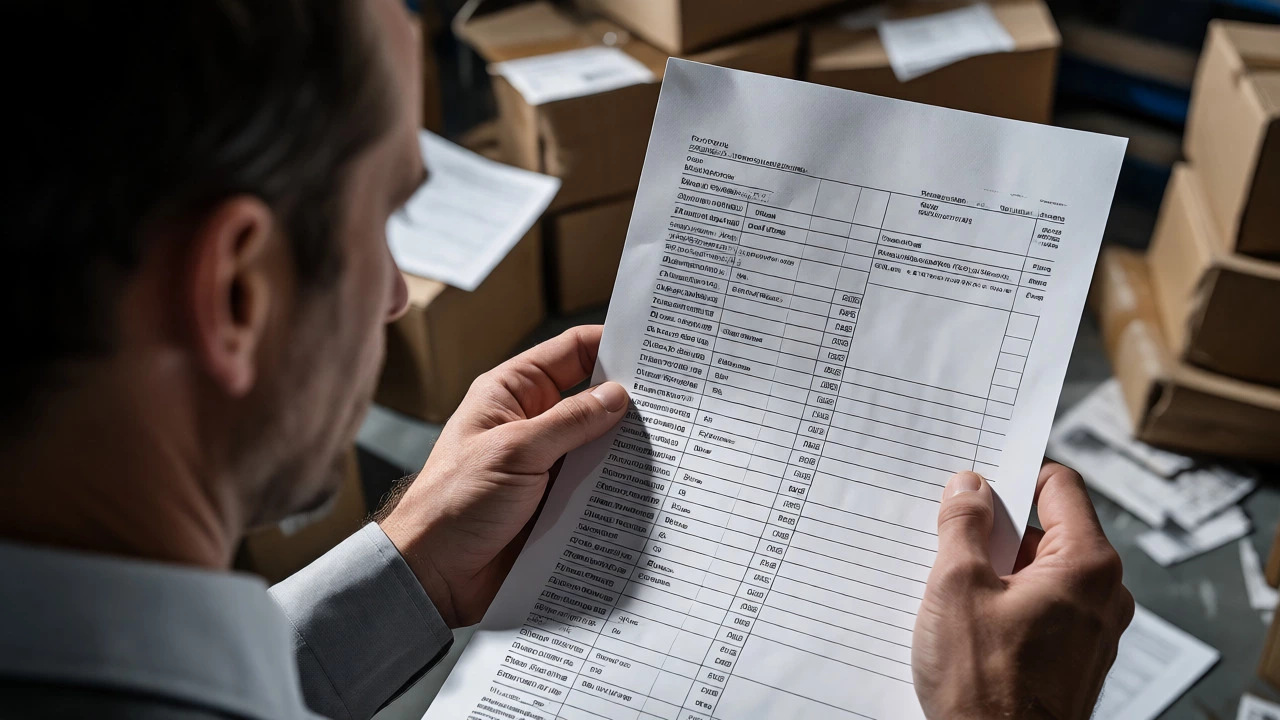
Courier Cost Estimator & Risk Checker
Don't let hidden fees eat your margins. Enter your parcel details to see the estimated final invoice and identify key risks.
Enter shipment details to calculate costs.
You just hit "order" on that expensive laptop, or maybe you're sending a fragile family heirloom to your cousin in Manchester. You trust the courier service to handle it. But what happens when the package arrives crushed, late, or simply doesn't show up at all? While courier services offer speed and convenience, they aren't magic. They come with real downsides that can cost you money, time, and sanity.
If you're an online seller or someone who ships things often, you need to know where the cracks are. It's not about hating on delivery companies; it's about knowing the risks so you can protect yourself. Let's break down the actual disadvantages of using a courier service, without the fluff.
The Cost Creep: When "Cheap" Isn't Cheap
Most people look at the base rate. That £3.50 for a next-day parcel looks great until you see the final invoice. Courier pricing is notorious for hidden fees and surcharges that inflate the bill significantly.
- Fuel Surcharges: These fluctuate monthly based on oil prices. If diesel goes up, your shipping cost goes up, even if nothing else changed.
- Remote Area Charges: Sending something to the Highlands or certain postcodes in Northern Ireland often triggers a "remote area" fee. This can add £10-£20 to a small parcel.
- Volumetric Weight: This is the big one for sellers. Couriers charge by whichever is higher: actual weight or dimensional weight (size). A lightweight pillow box might weigh 1kg but take up space equivalent to 5kg. You pay for the air, not just the cotton.
- Residential Delivery Fees: Some business-focused couriers charge extra to deliver to homes instead of offices.
For small businesses, these unexpected costs eat into margins fast. You might price your product assuming a flat £4 shipping cost, only to find out later that half your orders incurred a £6 remote surcharge. Suddenly, you're losing money on every sale.
The Risk of Loss and Damage
We've all heard the horror stories. A package vanishes into thin air, or a glass vase arrives as gravel. While major carriers like Royal Mail, DHL, and UPS have robust systems, human error and mechanical failures happen.
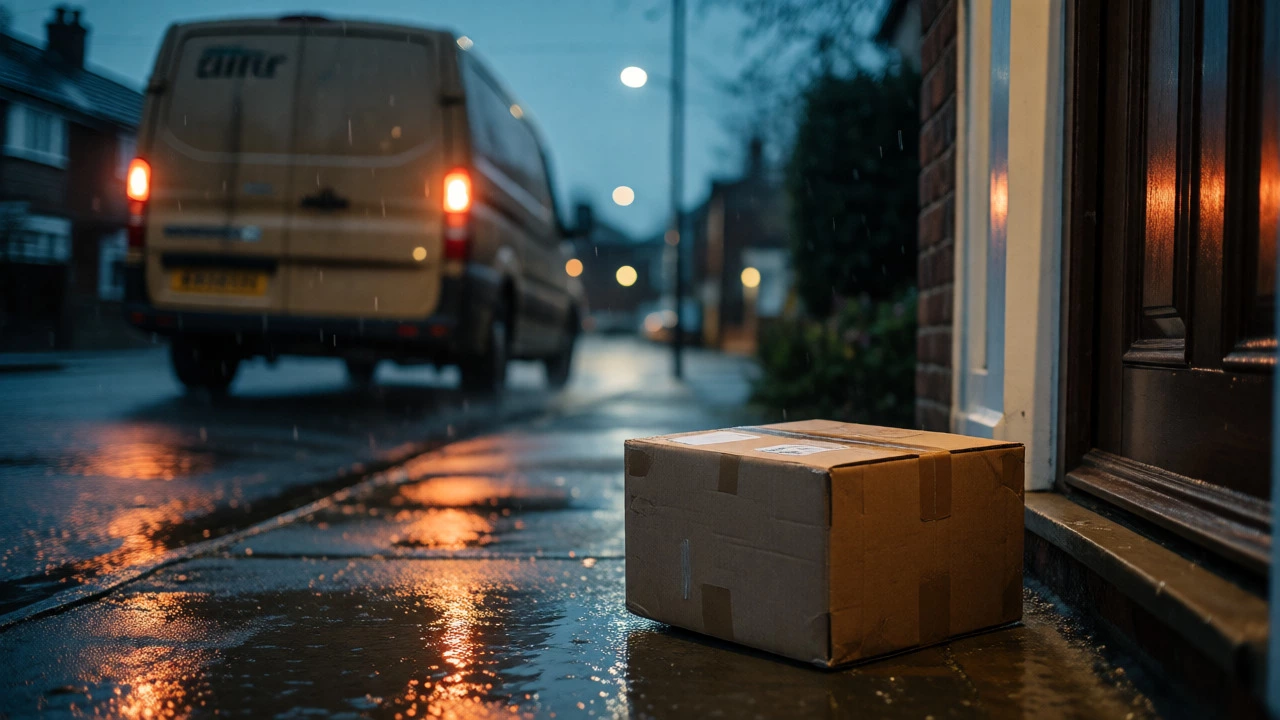
The disadvantage isn't just that things break; it's the hassle of proving it. If a courier leaves a package outside your door and rain gets in, who is liable? Often, the courier will claim they delivered it "in good condition." Proving otherwise requires photos, timestamps, and sometimes police reports for theft. For the customer, this means waiting weeks for a refund while the dispute drags on. For the seller, it means dealing with angry customers who blame you, not the courier.
| Risk Type | Likelihood | Mitigation Difficulty | Typical Impact |
|---|---|---|---|
| Package Loss | Low (1-2%) | High (Dispute process) | Refund + Customer Churn |
| Damage in Transit | Medium (3-5%) | Medium (Insurance claims) | Replacement Cost + Reputation Hit |
| Delayed Delivery | Medium-High (Variable) | Low (Communication) | Customer Dissatisfaction |
| Hidden Fees | High | Medium (Contract review) | Margin Erosion |
Inconsistent Tracking Accuracy
You check the tracking number. It says "Out for Delivery." You wait all day. Then, at 8 PM, you get an email saying "Attempted Delivery - Recipient Not Home." But you were home. All day. The driver never stopped.
This is a classic courier disadvantage: unreliable data. Scanners are often activated by drivers who haven't actually scanned the parcel yet, or worse, they scan it incorrectly. This creates a false sense of security for both sender and receiver. If you're coordinating a critical handover-say, medical supplies or legal documents-this lack of precision is a dealbreaker. You can't plan your day around a tracker that lies.
Limited Control Over the Last Mile
Once your package enters the courier network, you lose control. You can't tell the driver which gate to use or where to leave the parcel if you're busy. Most standard services operate on rigid rules: they ring the bell, and if no one answers, they leave a card. They don't call you to ask if it's okay to leave it behind the bin.
This rigidity causes friction. In apartment blocks, drivers might leave parcels in communal areas where they get stolen. In rural areas, they might refuse to drive down muddy tracks, forcing you to collect from a depot miles away. You are paying for a service, but you have zero say in how the final step is executed unless you pay premium for "named day" or "signature required" options.
Environmental Concerns
Let's be honest: individual courier deliveries are inefficient. One van delivering one package to one house uses far more fuel per item than a truck delivering fifty packages to a distribution center. With the rise of same-day and next-day expectations, vans are running half-empty to meet tight deadlines.
If your brand values sustainability, relying heavily on air-freight express couriers contradicts that message. Many consumers now check for carbon-neutral shipping options. Standard courier services often lag here, requiring you to buy offsets separately, which adds another layer of complexity and cost.

Dependence on Third-Party Reliability
When you use a courier, you're outsourcing your customer experience. If the courier has a bad week-strikes, weather delays, staff shortages-it reflects poorly on you. Your customer doesn't care that Evri had a system outage; they care that their order didn't arrive.
You become the face of the failure. Handling complaints about third-party performance takes time and emotional energy. Small business owners often spend hours chasing couriers for updates, acting as middlemen between angry customers and unresponsive support lines.
How to Minimize the Downsides
So, should you stop using couriers? No. The advantages usually outweigh the cons if you manage them well. Here’s how to fight back against the disadvantages:
- Pack Like a Pro: Use bubble wrap, double-boxing, and void fill. Assume the package will be thrown. Good packaging reduces damage claims by over 50%.
- Read the Fine Print: Before signing a contract, ask specifically about fuel surcharge caps, remote area definitions, and volumetric divisors. Get it in writing.
- Use Insurance Wisely: Don't rely on the standard £20 liability cover. For high-value items, buy additional insurance. It’s cheap peace of mind.
- Communicate Expectations: Tell customers that delivery dates are estimates, not guarantees. Manage expectations early to reduce anger when delays happen.
- Diversify Carriers: Don't put all your eggs in one basket. Have a backup courier for when your primary provider fails.
Are courier services more expensive than postal services?
Generally, yes, especially for international or express shipments. Postal services like Royal Mail benefit from government subsidies and economies of scale for standard mail. However, for heavy parcels or time-sensitive deliveries, couriers can sometimes offer better value due to competitive pricing models and faster transit times. Always compare rates for specific weights and destinations.
What happens if my courier loses my package?
You must file a claim with the courier company within a specified timeframe, usually 7-30 days after the expected delivery date. You'll need proof of posting, proof of value, and details of the contents. Without insurance, compensation is often capped at a low amount (e.g., £20), regardless of the item's actual worth. With declared value insurance, you may recover more, but the process can take several weeks.
Do courier services deliver on weekends?
Many do, but it depends on the service level and location. Standard services typically run Monday to Friday. Premium services often offer Saturday delivery for an extra fee. Sunday delivery is rarer and usually reserved for grocery or specific retail partnerships. Always check the carrier's current schedule, as it changes frequently based on demand and staffing.
Why are courier delivery times unpredictable?
Unpredictability stems from traffic congestion, weather events, sorting hub bottlenecks, and driver shortages. Unlike scheduled buses, courier routes change daily based on volume. Additionally, last-mile issues-such as difficult access, missing gate codes, or incorrect addresses-can cause significant delays that aren't visible in real-time tracking.
Can I track my courier shipment in real-time?
Yes, most modern couriers offer online tracking via website or app. However, "real-time" is often misleading. Updates may only occur at key hubs (collection, sorting, departure, arrival) rather than continuously. Some premium services offer live GPS tracking for the final mile, but this is not standard for all packages or all carriers.