

Logistics Concept Matcher
Test your understanding of the differences between moving goods (Shipping), bulk transport (Freight), strategic flow management (Logistics), and the entire network (Supply Chain).
Ready to Test Your Knowledge?
You will be presented with scenarios. Choose the term that best describes the activity.
Quiz Complete!
You order a pair of shoes on Tuesday morning. By Thursday afternoon, they’re sitting on your doorstep. You didn’t see the warehouse worker scanning the barcode, you didn’t watch the truck driver navigate traffic, and you certainly didn’t calculate the fuel costs for the flight from Vietnam. But someone did. That invisible machinery making sure the right item gets to the right place at the right time? That’s logistics. It isn’t just about moving boxes; it’s the strategic planning that keeps the modern world from grinding to a halt.
If you’ve ever wondered why some companies deliver in hours while others take weeks, or why shipping prices fluctuate wildly, understanding the basics of logistics is the key. It’s not rocket science, but it is complex enough to trip up beginners. Let’s strip away the jargon and look at what actually happens behind the scenes.
The Core Definition: Moving Things Efficiently
At its simplest, logistics is the detailed coordination of a complex operation involving many people, facilities, or supplies. In a business context, it refers to the management of the flow of things between the point of origin and the point of consumption. Think of it as the bridge between production and purchase.
When you buy something online, logistics ensures three critical things happen:
- Availability: The product exists in stock when you click "buy."
- Location: The product moves from a factory or warehouse to your specific address.
- Timing: The product arrives within the promised window.
Without logistics, you’d have to drive to every manufacturer individually to get your goods. It’s the reason you can buy bananas in winter in Liverpool without needing a greenhouse in your backyard. The system relies on supply chain management, which is the broader network including suppliers, manufacturers, and retailers working together.
Key Components: The Gears in the Machine
To understand how it works, you need to know the parts. Logistics isn’t one single action; it’s a series of interconnected steps. If one fails, the whole chain breaks.
Inventory Management
This is the brain of the operation. Before anything ships, someone needs to know what you have, where it is, and how much of it you need. Poor inventory management leads to two nightmares: running out of stock (lost sales) or holding too much stock (wasted cash). Modern systems use software to predict demand so warehouses aren’t overflowing with unsold winter coats in July.
Warehousing and Storage
Goods don’t magically appear at distribution centers. They sit somewhere first. Warehousing involves storing goods safely until they are needed. This isn’t just renting space; it’s about organization. Items are picked, packed, and staged for departure. Efficiency here determines how fast an order leaves the building.
Transportation
This is the muscle. Moving goods requires vehicles-trucks, ships, planes, trains, or even drones. Choosing the right mode depends on cost, speed, and distance. Shipping a container from Shanghai to Rotterdam takes weeks by sea but days by air. The decision impacts the final price tag significantly.
Packaging and Labeling
You might think packaging is just aesthetic, but in logistics, it’s functional. Proper packaging protects goods during transit and optimizes space in trucks. Labels contain barcodes and tracking numbers that allow scanners to track movement automatically. Without accurate labeling, a package becomes lost data.
Inbound vs. Outbound: Two Sides of the Coin
Most people only think about the delivery to their door. That’s outbound logistics. But there’s another side: inbound logistics. This covers everything coming *into* a business. Raw materials arriving at a factory, spare parts for maintenance, or returned items from customers.
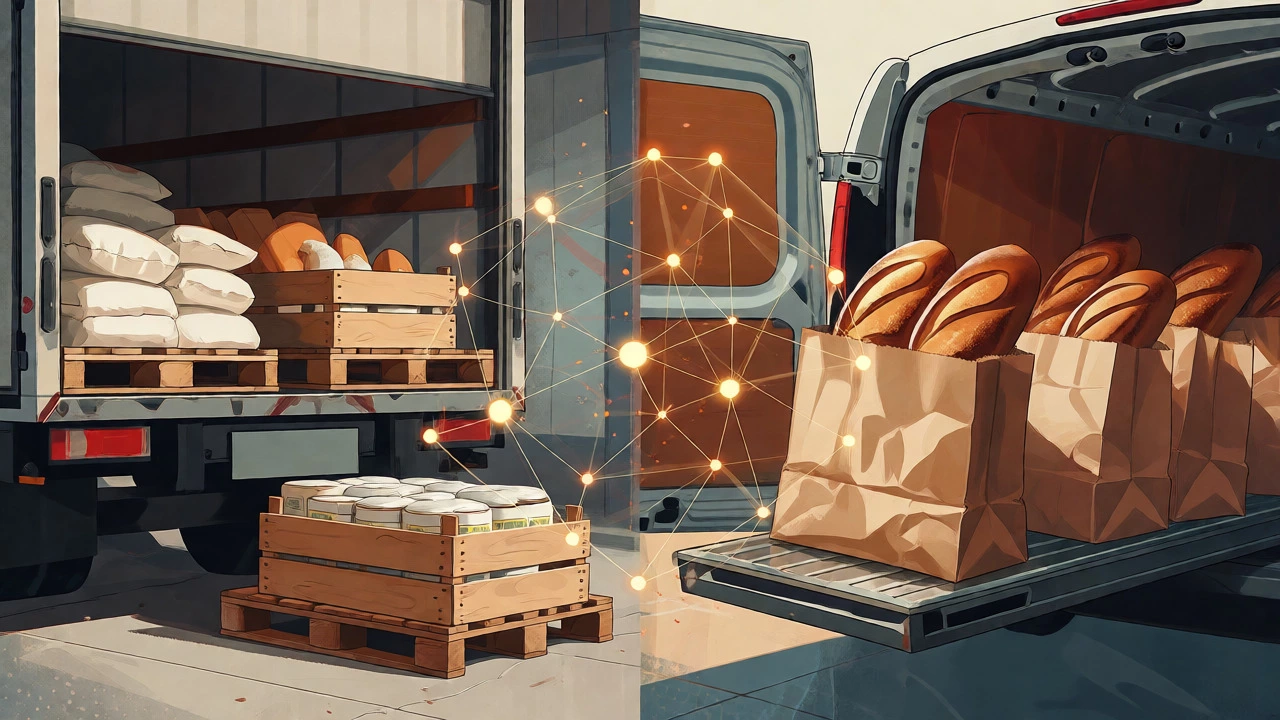
Imagine a bakery. Outbound logistics is delivering bread to cafes. Inbound logistics is getting flour, yeast, and sugar from suppliers. Both require planning, storage, and transport. Ignoring inbound flows can starve the production line, causing delays in outbound deliveries.
Why Does It Matter to You?
You might ask, "I’m not running a factory, why should I care?" Because logistics dictates your shopping experience and often your wallet.
Consider e-commerce. Fast shipping is a major selling point. Amazon Prime changed consumer expectations globally by normalizing next-day delivery. This pressure forces other retailers to optimize their logistics networks. If a company has poor logistics, you see it in late packages, damaged goods, or high shipping fees.
It also affects sustainability. Efficient logistics means fewer empty trucks on the road and less wasted packaging. As consumers become more eco-conscious, companies are optimizing routes to reduce carbon footprints. Your choice of standard shipping versus express often reflects a trade-off between speed and environmental impact.
Common Misconceptions
There’s a lot of confusion around terms like "shipping," "freight," and "logistics." Let’s clear them up.
| Term | Simple Definition | Scope |
|---|---|---|
| Shipping | The physical act of moving goods from A to B. | Narrow. Just the transport leg. |
| Freight | Large quantities of goods transported commercially, usually via ship, rail, or plane. | Medium. Focuses on bulk cargo. |
| Logistics | The entire process of planning, implementing, and controlling the flow of goods. | Broad. Includes shipping, warehousing, inventory, and data. |
| Supply Chain | The entire network from raw material extraction to end-user disposal. | Widest. Includes logistics plus sourcing, manufacturing, and retail. |
Notice the difference? Shipping is a task. Logistics is a strategy. Supply chain is the ecosystem.
How Technology Changed the Game
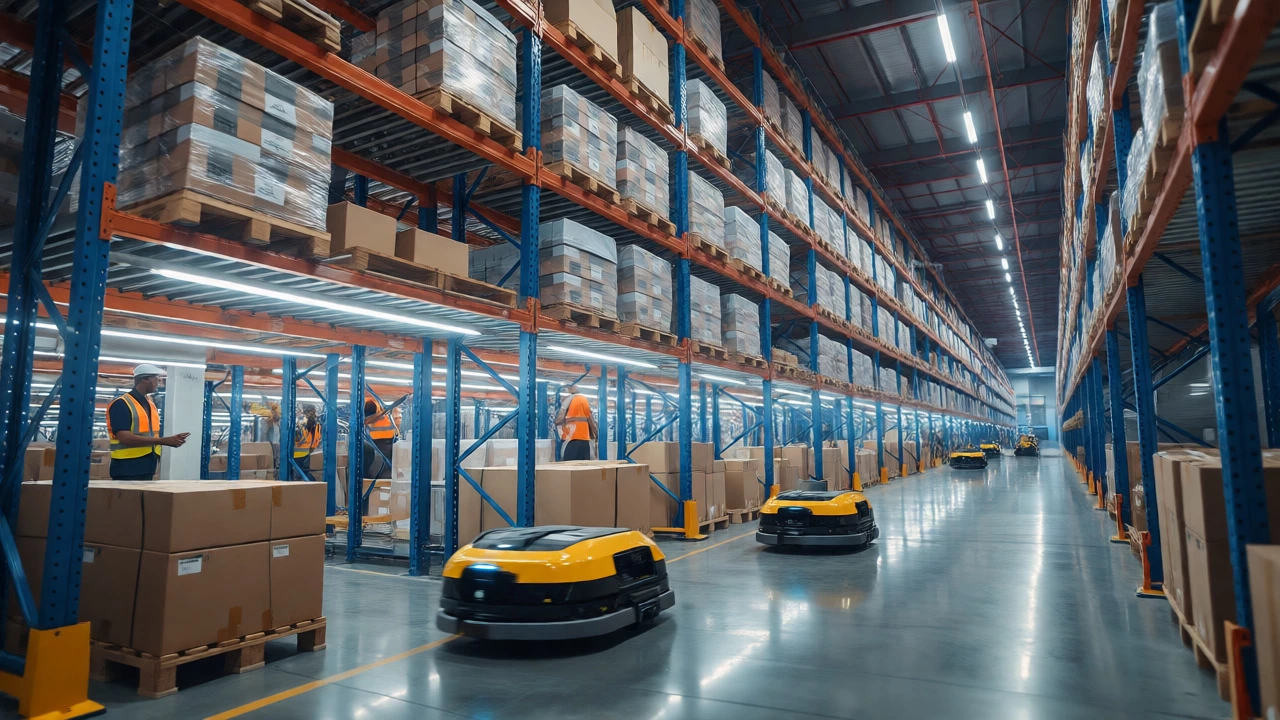
Gone are the days of clipboard checklists. Today, logistics runs on data. Logistics software tracks every item in real-time. Algorithms predict weather delays, reroute trucks around traffic jams, and optimize warehouse layouts so pickers walk shorter distances.
Automation is huge. Robots in warehouses now lift heavy pallets and sort thousands of items per hour. Drones test last-mile delivery in rural areas. These technologies reduce human error and speed up processes, which ultimately lowers costs for businesses and sometimes for you.
Challenges Facing Modern Logistics
It’s not all smooth sailing. Recent years have exposed vulnerabilities in global logistics. The pandemic showed how fragile supply chains are when ports close or factories shut down. Fuel prices spike, affecting transportation costs instantly. Labor shortages mean fewer drivers available to move goods.
Companies now focus on resilience rather than just efficiency. Holding slightly more inventory (just-in-case vs. just-in-time) helps buffer against shocks. Diversifying suppliers reduces reliance on a single source. Understanding these challenges helps explain why delivery times sometimes slip despite best efforts.
Is logistics the same as supply chain management?
No, but they are closely related. Supply chain management is the broader oversight of the entire network, including sourcing, manufacturing, and retail partnerships. Logistics is a subset of supply chain management focused specifically on the movement and storage of goods. Think of supply chain as the orchestra conductor, and logistics as the musicians playing their instruments.
What is the difference between inbound and outbound logistics?
Inbound logistics deals with receiving and storing incoming goods, such as raw materials for a factory or stock for a retailer. Outbound logistics handles the process of storing, transporting, and delivering finished products to the customer. Both are essential for a smooth business operation.
Why is logistics expensive?
Logistics costs include transportation (fuel, vehicle maintenance), labor (drivers, warehouse staff), warehousing (rent, utilities), and technology (software licenses). Additionally, inefficiencies like empty return trips or poor route planning add hidden costs. Global disruptions, such as port congestion, can also spike prices temporarily.
Do small businesses need logistics specialists?
Not necessarily. Many small businesses handle basic logistics themselves using local couriers and simple inventory spreadsheets. However, as sales grow, outsourcing to third-party logistics providers (3PLs) can save money by leveraging their bulk shipping rates and specialized infrastructure.
How does e-commerce impact logistics?
E-commerce has shifted logistics from bulk shipments to stores to individual parcel deliveries to homes. This requires faster processing, better packaging, and more transparent tracking. It has increased the volume of small packages and raised consumer expectations for speed and convenience.