
E-Logistics Savings Calculator
Business Metrics
Projected Annual Savings
$0
Estimated yearly impact of implementing e-logistics.
Breakdown of Benefits
-
Route Opt. Shipping Efficiency$0
-
Support Reduced WISMO Calls$0
-
Ops Error Reduction$0
Note: Estimates based on industry averages: 20% reduction in shipping costs via route optimization, 70% reduction in tracking inquiries via real-time visibility, and significant decrease in manual error rates.
Enter your business metrics to see how much you could save with e-logistics.
Imagine you order a gadget at 10 PM. By noon the next day, it’s sitting on your porch. You didn’t just buy a product; you bought speed, certainty, and convenience. That magic isn’t accidental. It’s powered by e-logistics, the digital integration of logistics processes using electronic data interchange, cloud computing, and real-time tracking systems. For businesses, this shift from paper-based or manual logistics to digital-first operations isn't just a trend-it's survival.
But what exactly is the benefit of e-logistics? Is it just about faster shipping, or does it go deeper into the bones of how a business operates? The answer lies in three core pillars: cost reduction through automation, customer satisfaction via transparency, and scalability that grows with your sales volume without breaking your back.
The Core Engine: How E-Logistics Transforms Operations
To understand the benefits, we first need to define what we are talking about. Traditional logistics relies heavily on phone calls, emails, spreadsheets, and physical paperwork. If a truck breaks down, someone has to call the warehouse, who then calls the supplier, who then updates the customer. This chain is slow and prone to human error.
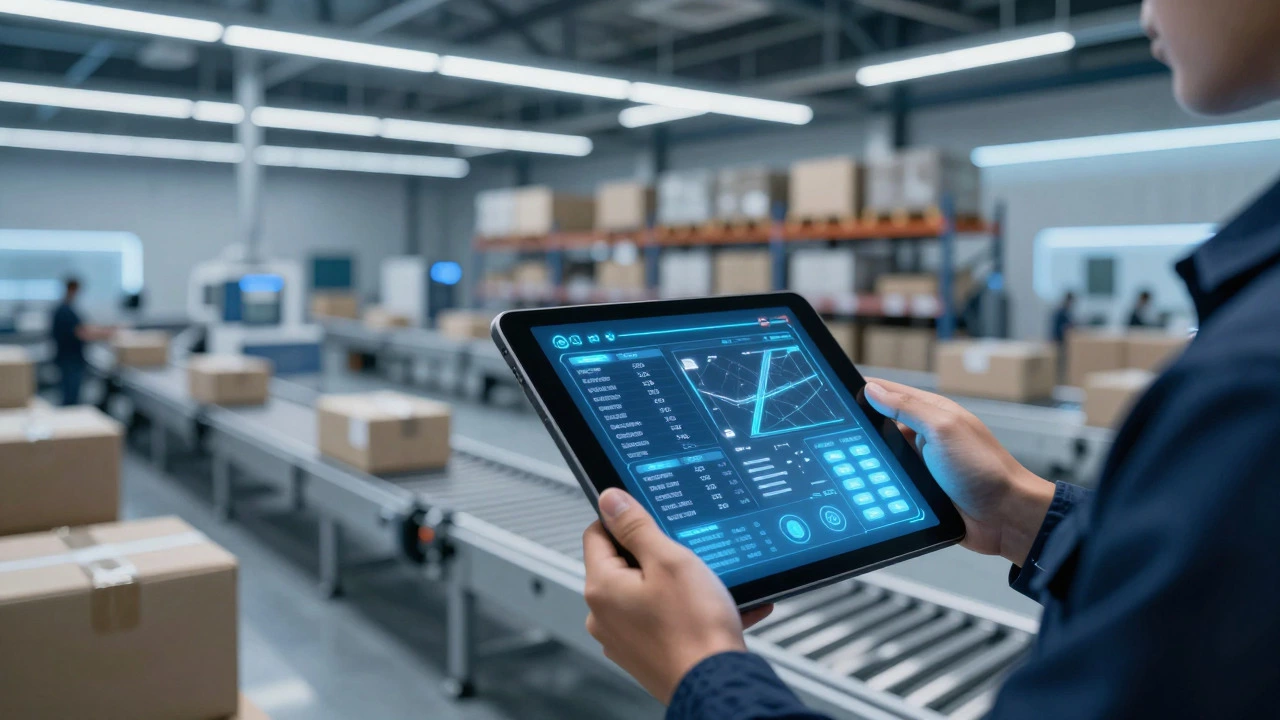
E-logistics replaces this linear, manual chain with a synchronized digital network. When an order is placed on an e-commerce platform, the information instantly flows to the Warehouse Management System (WMS), software that controls and coordinates all warehouse activities including receiving, put-away, storage, picking, packing, and shipping. The WMS tells the picker exactly where the item is. Once packed, the system automatically generates the shipping label and sends tracking data to the carrier and the customer.
This seamless flow creates immediate operational benefits:
- Reduced Human Error: Manual data entry leads to wrong addresses, incorrect SKUs, and lost packages. Automated systems eliminate these costly mistakes.
- Faster Order Processing: Orders move from "placed" to "shipped" in minutes, not hours or days.
- Better Resource Allocation: Digital tools predict demand, ensuring you have enough staff and packaging material during peak seasons like Black Friday.
Cost Efficiency: Saving Money Without Cutting Corners
One of the most significant benefits of e-logistics is its impact on the bottom line. Shipping costs are often the highest expense for online retailers after the cost of goods sold. E-logistics attacks this problem from multiple angles.
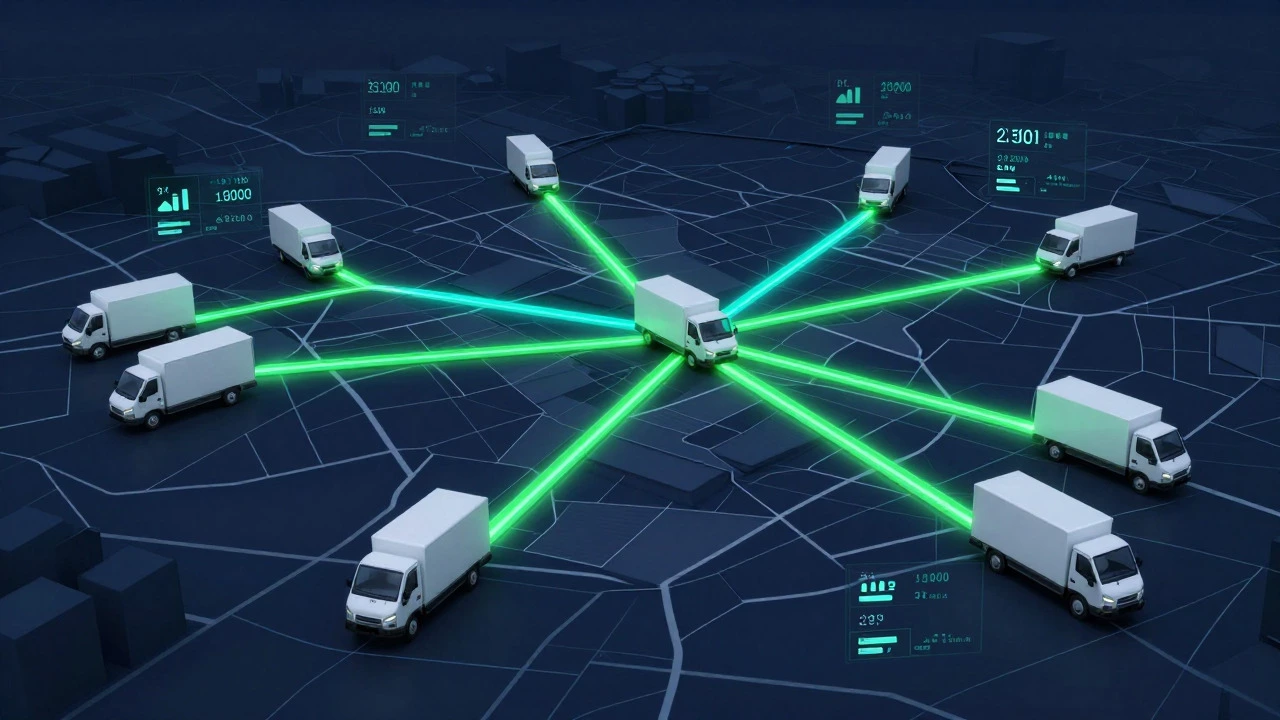
First, consider route optimization. Route Optimization Software, algorithms that calculate the most efficient delivery paths based on traffic, distance, and delivery windows. These tools don’t just find the shortest path; they find the fastest and cheapest one. They account for traffic patterns, fuel consumption, and driver shifts. A delivery fleet using optimized routes can reduce mileage by up to 20%, directly lowering fuel costs and vehicle wear and tear.
Second, there is the issue of inventory holding costs. In traditional models, businesses often overstock to avoid running out, tying up capital in warehouses. E-logistics uses predictive analytics to forecast demand more accurately. This means you hold less stock but still meet customer expectations. Less stock means lower warehousing fees, reduced insurance premiums, and less risk of obsolete inventory.
Furthermore, automated documentation reduces administrative overhead. Generating invoices, customs declarations, and proof of delivery digitally cuts down on labor hours spent on paperwork. For international shipments, this is critical. Delays at borders due to missing or incorrect documents can cost thousands in demurrage charges. E-logistics ensures compliance and accuracy before the package even leaves the dock.
| Feature | Traditional Logistics | E-Logistics |
|---|---|---|
| Data Flow | Manual, sequential, email/phone | Automated, simultaneous, API-integrated |
| Error Rate | High (5-10% depending on complexity) | Low (<1% with validation checks) |
| Visibility | Reactive (track only when asked) | Proactive (real-time alerts for delays) |
| Scalability | Limited by human resources | Unlimited by cloud infrastructure |
| Customer Communication | Generic, delayed updates | Personalized, instant notifications |
Customer Experience: The Power of Transparency
In the world of e-commerce, trust is currency. Customers want to know where their package is, when it will arrive, and if anything goes wrong. E-logistics provides this transparency effortlessly.
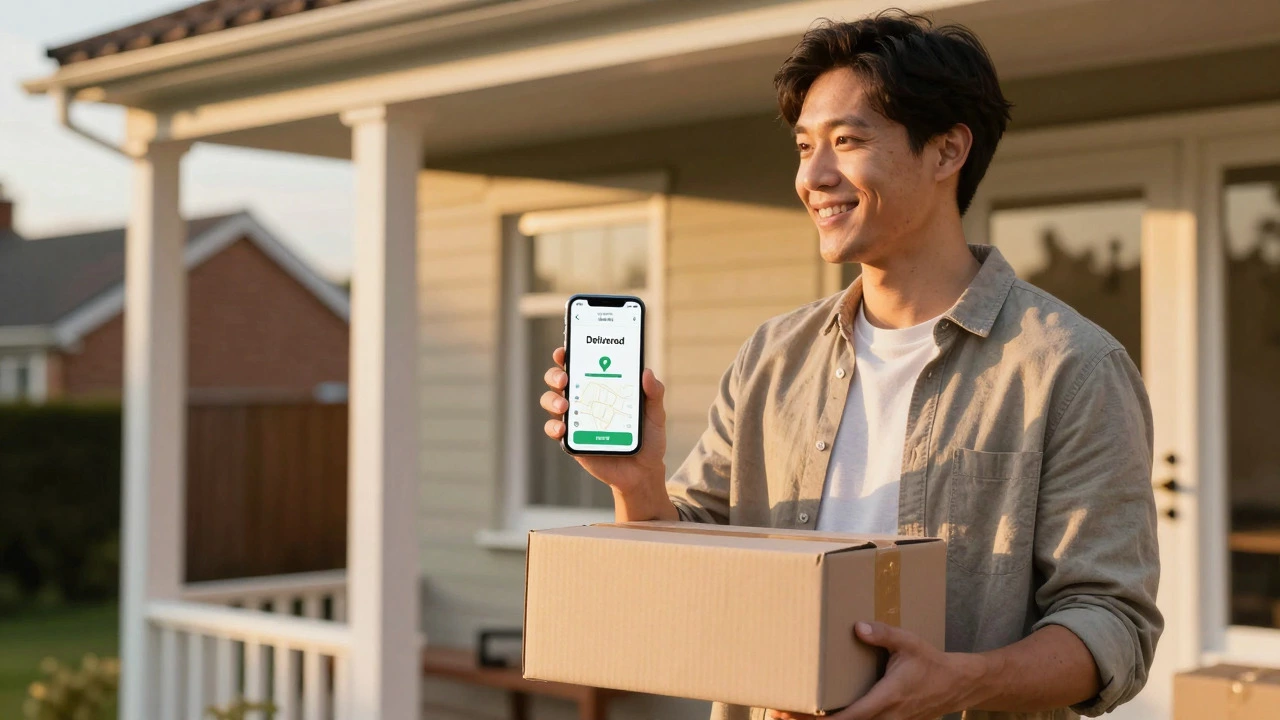
Real-time tracking is no longer a luxury; it’s a baseline expectation. With e-logistics, customers receive automated SMS or email updates at every stage: order confirmed, shipped, out for delivery, delivered. This reduces the number of "Where is my order?" (WISMO) inquiries to customer support teams. According to industry data, WISMO calls can account for up to 30% of customer service volume. By automating visibility, you free up your support team to handle complex issues rather than repetitive status checks.
Moreover, accurate delivery estimates build credibility. If a system predicts a two-day delivery and it arrives in two days, the customer trusts your brand. If it arrives late without explanation, they doubt you. E-logistics platforms integrate with carrier APIs to provide precise ETAs based on live data, not static averages. This reliability turns one-time buyers into repeat customers.
Scalability: Growing Without Breaking
Let’s say your viral marketing campaign triples your sales overnight. In a traditional setup, this is a nightmare. Your warehouse staff is overwhelmed, pickers are making errors, and carriers can’t keep up. In an e-logistics setup, this is manageable.
Digital systems scale horizontally. Cloud-based Order Management Systems (OMS), centralized software that manages orders from any sales channel across multiple locations. can handle ten times the volume without needing new hardware. You can quickly onboard additional temporary staff because the digital instructions guide them through the process. You can also dynamically switch between shipping carriers based on capacity and price, ensuring orders ship even if your primary partner is backed up.
This agility allows businesses to experiment and grow. You can launch new product lines, enter new markets, or offer same-day delivery options without rebuilding your entire operational backbone. The technology adapts to your strategy, not the other way around.
Sustainability: The Green Advantage
An increasingly important benefit of e-logistics is its contribution to sustainability. Consumers and regulators are demanding greener supply chains. E-logistics enables this through efficiency.
Optimized routes mean fewer miles driven and less carbon emissions. Better inventory management reduces waste from expired or unsold goods. Digital documentation eliminates paper usage. Some advanced e-logistics platforms even allow companies to calculate and offset their carbon footprint per shipment, offering customers green shipping options. This isn’t just good for the planet; it’s a powerful branding tool that resonates with eco-conscious shoppers.
Challenges to Consider
While the benefits are clear, implementing e-logistics isn’t without challenges. Integration can be complex, especially if you’re using legacy systems. Data security is paramount, as you’re handling sensitive customer information. And there’s a learning curve for staff accustomed to manual processes. However, the long-term gains in efficiency, customer loyalty, and profitability far outweigh these initial hurdles. Choosing the right technology partners and investing in training are key to success.
What is the main difference between logistics and e-logistics?
The main difference is the level of digital integration. Traditional logistics relies on manual processes, paper records, and disconnected communication channels. E-logistics uses digital technologies like EDI, cloud computing, IoT sensors, and AI to automate data exchange, track shipments in real-time, and optimize supply chain operations end-to-end.
How does e-logistics reduce costs for small businesses?
E-logistics reduces costs by minimizing human error, optimizing delivery routes to save fuel, reducing inventory holding costs through better forecasting, and automating administrative tasks like invoicing and tracking. For small businesses, this means operating with fewer staff while handling higher volumes efficiently.
Is e-logistics only for large corporations?
No. Thanks to cloud-based solutions and SaaS (Software as a Service) models, e-logistics tools are now affordable and accessible for small and medium-sized enterprises (SMEs). Many platforms offer tiered pricing based on order volume, allowing startups to start small and scale up as they grow.
What role does AI play in e-logistics?
AI enhances e-logistics by predicting demand spikes, identifying potential disruptions before they happen, optimizing warehouse layouts for faster picking, and personalizing delivery options for customers. Machine learning algorithms analyze vast amounts of historical data to make smarter, faster decisions than humans alone could.
How does e-logistics improve customer satisfaction?
It improves satisfaction by providing real-time tracking, accurate delivery estimates, and proactive communication about delays. Customers feel more in control and informed, which builds trust and reduces anxiety associated with waiting for packages. Faster and more reliable deliveries also lead to higher retention rates.