
Logistics Partner Selector
Select your primary shipping priority to see which logistics brand aligns best with your needs.
Global Reach
International consistencyDomestic Speed
Fastest air deliveryCost Efficiency
Best ground ratesTech Integration
API & Digital UXSustainability
Green logisticsB2B Supply Chain
Complex routingRecommended Provider
Brand Value
Estimated 2026 ValuationPerformance Match Score
Alternative Considerations
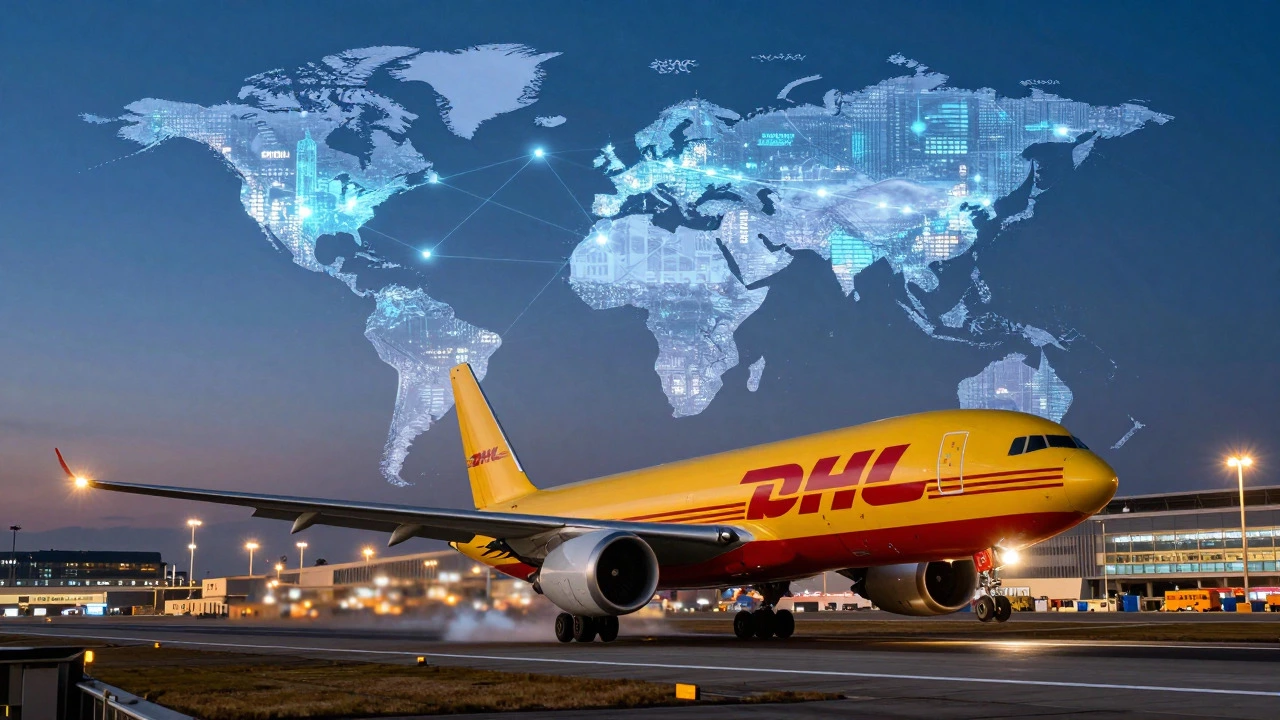
Who actually owns the most valuable logistics brand in the world right now? It’s not just about how many trucks roll off the lot or how many planes fill the sky. It’s about trust, speed, and reliability when your package matters most. In 2026, the title of the most valuable logistics brand generally belongs to DHL, a subsidiary of Deutsche Post DHL Group. But the gap between the top players is narrowing fast, driven by digital transformation and shifting consumer expectations.
If you are looking at the numbers from major valuation firms like Interbrand or Brand Finance, DHL consistently sits at the top of the global rankings for logistics services. However, if you look strictly at US-centric markets or specific sectors like air freight, FedEx and UPS often challenge that crown. The answer depends on whether you measure brand equity by financial performance, customer perception, or technological integration.
The Big Three: Who Holds the Crown?
To understand who is truly the "most valuable," we have to look at the three giants that dominate the conversation: DHL, FedEx, and UPS. These aren't just delivery companies; they are complex ecosystems managing billions of shipments annually.
DHL leads the pack in terms of pure brand value metrics globally. Why? Because their network is unmatched. They operate in over 220 countries and territories. When a business needs to move goods from Shenzhen to São Paulo overnight, DHL is usually the default choice. Their brand promise of "Expressing What Matters" resonates because they deliver on it across borders where others fail. In recent brand valuation reports, DHL's brand value has hovered around $45 billion to $50 billion, largely due to its dominance in international express shipping.
FedEx is the runner-up in many global lists but remains the king of speed in North America. Their brand identity is tied tightly to urgency. If something needs to be there tomorrow morning, FedEx is the mental shortcut for consumers and businesses alike. Their brand value typically ranges between $35 billion and $40 billion. FedEx invests heavily in aviation technology, maintaining one of the largest cargo fleets in the world. This operational capability directly boosts their brand equity because customers associate the name with guaranteed timelines.
UPS takes a different approach. While DHL and FedEx focus heavily on air express, UPS built its empire on ground transportation and integrated supply chain solutions. Their brand value is also in the $35-$40 billion range. UPS is often seen as the more reliable partner for B2B (business-to-business) logistics rather than just consumer packages. Their brown trucks are an iconic symbol of reliability in urban environments. For many manufacturers, UPS isn't just a carrier; it's a strategic partner managing inventory and reverse logistics.
| Brand | Estimated Brand Value (2026) | Primary Strength | Key Market |
|---|---|---|---|
| DHL | $48 Billion | Global Reach & International Express | Europe, Asia, Americas |
| FedEx | $39 Billion | Air Freight Speed & Urgency | North America, Global Air |
| UPS | $37 Billion | Ground Network & Supply Chain Integration | North America, B2B |
Why Brand Value Matters in Logistics
You might wonder why brand value matters so much in an industry that seems purely functional. After all, a box arrives or it doesn't. Right? Wrong. In logistics, trust is the product. When you ship high-value electronics, medical supplies, or perishable food, you aren't just buying transport; you are buying insurance against chaos.
A strong brand reduces friction. If a shipment goes missing, customers expect better resolution from a high-value brand. If a delay occurs, they assume the company will communicate proactively. This psychological safety net allows companies like DHL to charge premium rates. That premium translates directly into revenue, which fuels further investment in technology and infrastructure, creating a virtuous cycle that strengthens the brand even more.
Moreover, brand value attracts talent. The logistics industry faces a severe labor shortage, especially in warehousing and last-mile delivery. Top-tier brands can offer career stability and prestige that smaller carriers cannot. This human capital advantage is a hidden driver of long-term brand strength.
The Role of Technology in Building Brand Equity
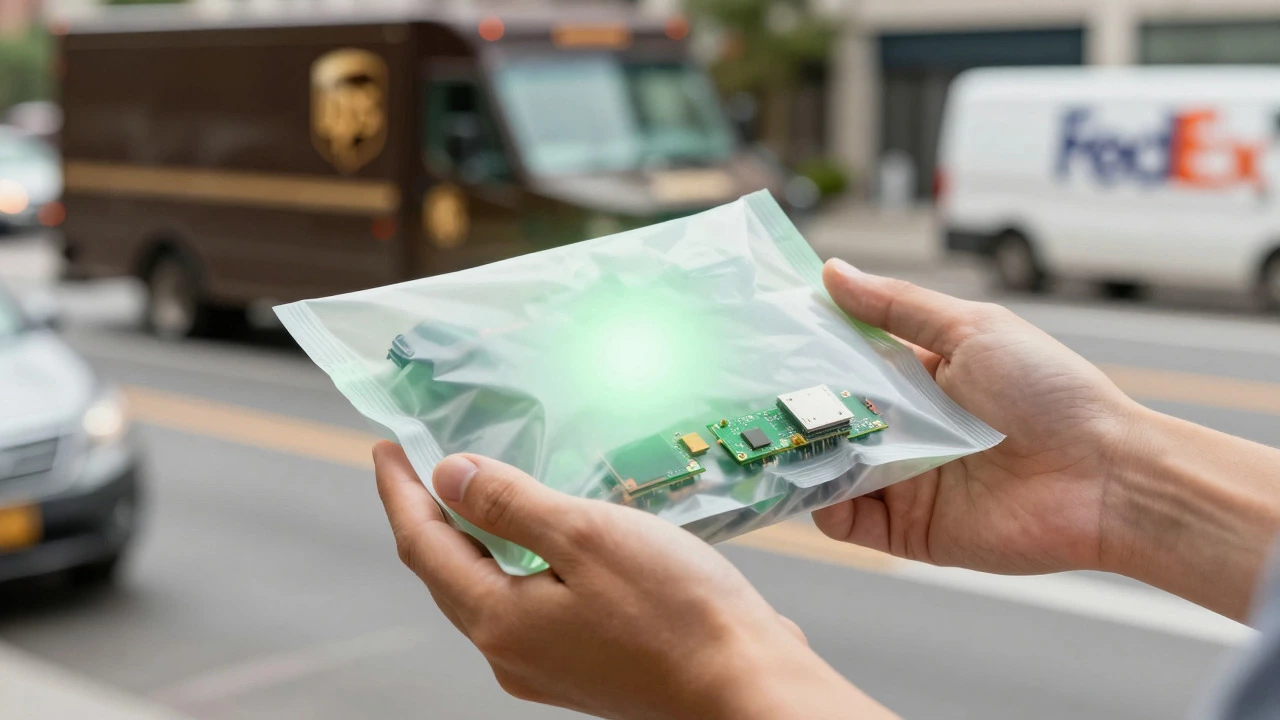
In 2026, no logistics brand can claim top value without a robust tech stack. The days of tracking a package via a simple phone call are gone. Today, brand value is deeply intertwined with digital experience. Customers expect real-time visibility, predictive ETAs, and seamless API integrations.
This is where Logistics Software becomes critical. Companies don't just buy shipping labels; they buy platforms that integrate with their e-commerce stores, warehouse management systems (WMS), and enterprise resource planning (ERP) tools. Brands that offer superior software interfaces gain a competitive edge.
For example, Flexport has disrupted the traditional freight forwarding model by offering a transparent, software-first interface. While their total brand value is lower than the legacy giants, their growth rate and brand perception among younger, tech-savvy shippers are impressive. Flexproof demonstrates that modern brand value is partly defined by user experience (UX). If your dashboard is clunky, your brand suffers, regardless of how fast your trucks drive.
Similarly, Maersk, traditionally a shipping line, has reinvented itself through its digital platform, Remote Container Management (RCM). By allowing customers to track containers in real-time and manage documentation online, Maersk has significantly boosted its brand relevance in the digital age. This shift shows that even heavy-asset industries must pivot to software-driven experiences to maintain brand leadership.
Regional Champions and Niche Players
While DHL, FedEx, and UPS dominate the global headlines, regional powerhouses hold immense value within their territories. In China, SF Express is arguably the most valuable domestic logistics brand. Known for its premium service and speed, SF Express competes directly with international players in Asian markets. Its brand value has surged alongside the growth of Chinese e-commerce giants like Alibaba and JD.com.
In Europe, besides DHL, companies like DB Schenker play a crucial role in contract logistics and supply chain management. They may not have the same household name recognition as DHL Express, but their B2B brand value is substantial due to deep relationships with manufacturing clients.
Then there are the niche specialists. XPO Logistics focuses heavily on less-than-truckload (LTL) and supply chain optimization. Their brand is valued for expertise rather than mass-market appeal. For a mid-sized manufacturer needing complex routing solutions, XPO’s brand carries more weight than a generic parcel carrier.
Sustainability as a Brand Driver
One cannot discuss brand value in 2026 without mentioning sustainability. Consumers and corporate clients are increasingly demanding green logistics. Brands that fail to address their carbon footprint risk losing value to competitors who do.
DHL has been aggressive here, aiming for net-zero emissions by 2050. They are investing heavily in electric vehicles (EVs) for last-mile delivery and sustainable aviation fuel (SAF). This commitment isn't just PR; it’s a core part of their brand strategy. When a retailer chooses DHL to fulfill orders, they can market their own products as more sustainable, leveraging DHL’s green credentials.
FedEx and UPS have followed suit. UPS’s ORION (On-Road Integrated Optimization and Navigation) system optimizes routes to reduce fuel consumption, saving millions of gallons annually. These technologies enhance brand perception by showing tangible action on climate change. In today’s market, eco-friendliness is a key attribute that contributes to overall brand equity.

How to Choose the Right Logistics Partner
Knowing who has the most valuable brand is useful, but does it mean you should always choose them? Not necessarily. Brand value reflects scale and reputation, but your specific needs might align better with a different provider.
- Global Reach: If you ship internationally frequently, DHL’s extensive network makes it the safest bet for consistency across borders.
- Domestic Speed: For time-sensitive shipments within the US, FedEx’s air network offers unparalleled speed.
- Cost Efficiency: If price is your primary concern, regional carriers or UPS Ground might offer better rates without sacrificing too much reliability.
- Integration Needs: If you need deep API integration with your custom e-commerce platform, consider newer tech-forward players like Flexport or specialized 3PLs (Third-Party Logistics providers).
Evaluate based on your volume, destination mix, and budget. A high brand value often comes with higher prices. Sometimes, a lesser-known regional carrier can provide personalized service that the giants cannot match.
The Future of Logistics Brand Value
Looking ahead, the landscape will continue to evolve. Automation, artificial intelligence (AI), and robotics will reshape operations. Brands that successfully integrate these technologies while maintaining a human touch will see their value rise. We are also seeing consolidation in the industry, with larger players acquiring smaller tech startups to bolster their digital capabilities.
Additionally, the rise of same-day and instant delivery expectations, driven by quick commerce (q-commerce), will test the limits of current networks. Brands that can adapt their last-mile strategies to meet these demands without exploding costs will emerge as the new leaders. Watch for innovations in drone delivery and autonomous vehicles, which could redefine what "fast" means in the next decade.
Ultimately, the most valuable logistics brand is the one that solves your problem reliably, efficiently, and sustainably. Whether that’s DHL, FedEx, UPS, or a rising challenger, the metric that truly matters is the quality of the partnership you build.
Is DHL really the most valuable logistics brand?
Yes, according to major brand valuation agencies like Interbrand and Brand Finance, DHL consistently ranks as the most valuable logistics brand globally. This is due to its extensive international network, strong reputation for reliability, and dominant position in cross-border express shipping.
How does FedEx compare to UPS in terms of brand value?
FedEx and UPS have similar brand valuations, often fluctuating between $35 billion and $40 billion. FedEx is generally perceived as faster for air shipments, particularly in North America, while UPS is known for its robust ground network and B2B supply chain solutions. The choice often depends on whether you prioritize speed (FedEx) or cost-efficiency and ground reliability (UPS).
Why is brand value important in the logistics industry?
Brand value represents trust and reliability. In logistics, where errors can be costly, customers pay premiums for brands that guarantee safe and timely delivery. High brand value also helps attract top talent and partners, creating a stronger operational foundation.
Are there any emerging logistics brands challenging the big three?
Yes, companies like Flexport are gaining significant traction by offering software-first, transparent logistics solutions. While their total brand value is currently lower than DHL, FedEx, or UPS, their rapid growth and appeal to tech-savvy businesses make them serious contenders in the digital logistics space.
How does sustainability affect logistics brand value?
Sustainability is becoming a key driver of brand value. Customers prefer brands that demonstrate commitment to reducing carbon emissions through electric vehicles, optimized routing, and sustainable packaging. Companies like DHL are leveraging their green initiatives to strengthen their brand equity and attract eco-conscious clients.