

📦 Logistics Career Fit Assessment for Introverts
Not all logistics jobs are loud and social. Answer these 5 questions about your work preferences to find out if this industry is a good fit for you and which specific roles might thrive on your quiet focus.
1. Communication Style
2. Work Environment
3. Task Preference
4. Pressure Handling
5. Networking Approach
Your Result
Recommended Roles for You
Most people picture logistics as a loud, high-energy environment: forklifts beeping in warehouses, drivers shouting across loading bays, and sales reps cold-calling clients until the sun goes down. If you’re an introvert, that image might make you want to run for the hills. But here’s the thing: logistics is a massive, complex industry with dozens of different roles, and not all of them require you to be the life of the party.
In fact, many of the most critical jobs in supply chain management are quiet, analytical, and independent. You don’t need to be extroverted to move goods around the world; you just need to be organized, detail-oriented, and good at solving puzzles. Let’s break down which parts of this industry actually fit an introverted personality and where you might hit some friction.
The Myth of the "Loud" Industry
First, let’s clear up the misconception. When people say logistics is "loud," they’re usually talking about the operational floor or the front-end sales teams. Yes, warehouse managers need to coordinate large crews. Yes, account executives need to charm clients over the phone. But those are only two slices of the pie.
The backbone of modern logistics is data. Think about it: every package that moves from a warehouse in Liverpool to a customer’s door in Manchester involves tracking numbers, route optimization algorithms, inventory counts, and compliance checks. None of that requires small talk. It requires focus. For an introvert who recharges by working alone or in small groups, this is a goldmine.
Roles That Thrive on Quiet Focus
If you prefer deep work over constant social interaction, these roles are your sweet spot. They rely on logic, software, and process rather than charisma.
- Supply Chain Analyst is a role focused on using data to optimize the flow of goods from suppliers to customers. This job is 90% computer screen time. You’ll be digging into spreadsheets, forecasting demand, and identifying bottlenecks. It’s solitary, intellectual work that rewards pattern recognition over people skills.
- Logistics Coordinator is a position responsible for scheduling shipments, managing carrier relationships, and ensuring deliveries happen on time. While you will communicate with drivers and clients, it’s usually via email or phone calls with a specific agenda. There’s no fluff. You send a message, get a confirmation, and move on. It’s transactional, which is perfect for those who find open-ended socializing draining.
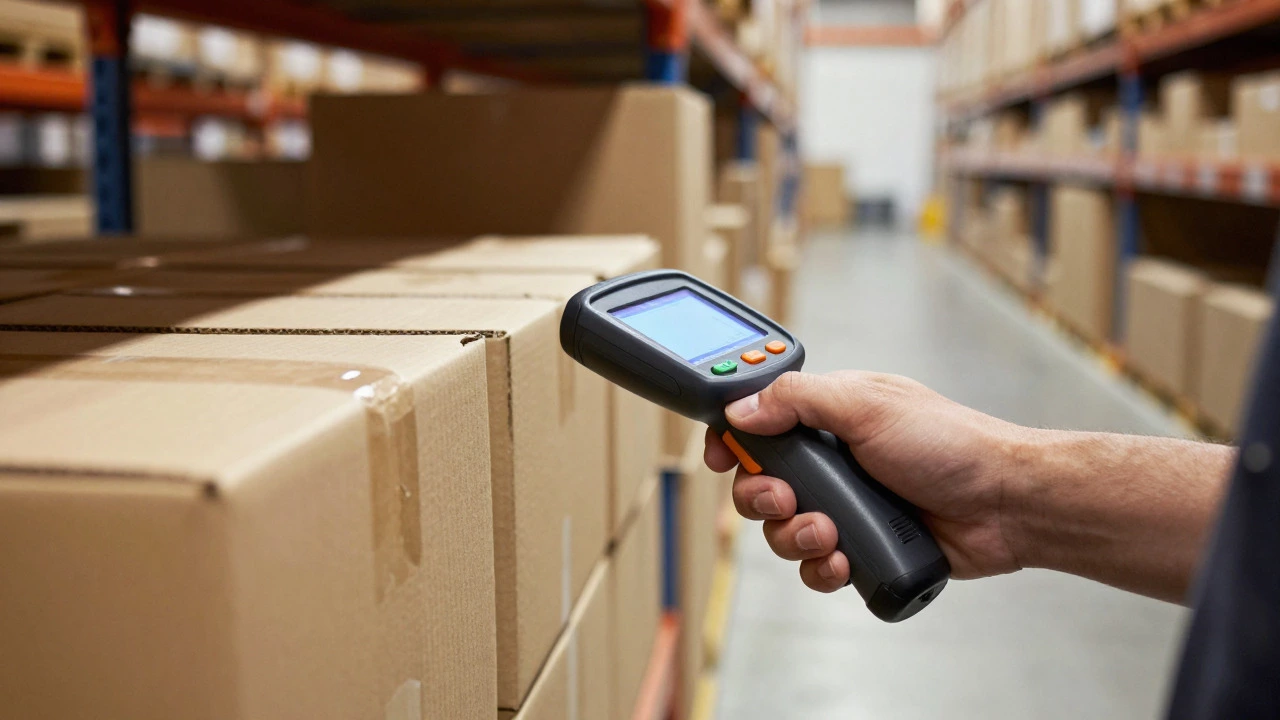
- Inventory Control Specialist is a professional who manages stock levels, conducts audits, and ensures accurate records in warehouse systems. This role often involves walking a warehouse floor with a scanner or sitting at a desk monitoring real-time stock levels. The interactions are brief and task-specific. You’re not networking; you’re counting boxes.
- Freight Auditor is an expert who reviews shipping invoices to ensure accuracy and prevent overbilling by carriers. This is pure detective work. You compare contracts against bills, find discrepancies, and save the company money. It’s detailed, repetitive, and highly satisfying if you like order and precision.
The Hybrid Reality: Remote Work and Tech
One of the biggest shifts in the last few years has been the normalization of remote work in logistics. While you can’t ship a physical box from your kitchen table, you absolutely can manage the digital side of operations from anywhere.
Many Third-Party Logistics (3PL) providers are companies that manage supply chain functions for other businesses, including storage, transportation, and distribution. These firms often hire analysts, planners, and coordinators who work remotely. This means you can do your job in silence, without the office chatter, while still being part of a global network.
Even within traditional companies, technology is reducing the need for face-to-face interaction. Tools like Transport Management Systems (TMS) are software platforms used to plan, execute, and optimize the movement of goods allow teams to collaborate asynchronously. Instead of having a meeting to discuss a delayed shipment, you might just leave a comment in the system, tag the relevant person, and let them handle it. This asynchronous communication style is a gift for introverts because it gives you time to think before you respond.

Where It Gets Challenging
Let’s be honest: no job is 100% silent. Even in the most analytical roles, there are moments that can feel draining. Here’s what to watch out for:
- Crisis Management: Logistics lives and dies by deadlines. If a container gets stuck in a port or a truck breaks down, everyone needs answers fast. In these moments, you might have to jump on a conference call with multiple stakeholders. It’s high-pressure and requires quick thinking. If you freeze under pressure when surrounded by voices, this could be stressful.
- Sales-Adjacent Roles: Avoid titles like "Business Development Manager" or "Client Success" unless you enjoy selling. These roles require building long-term relationships, handling objections, and often entertaining clients. The energy cost is high.
- Warehouse Floor Leadership: If you aim for a supervisor role in a warehouse, you’ll be managing a team of 10-50 people. This requires frequent one-on-ones, performance reviews, and conflict resolution. It’s less about data and more about people dynamics.
How to Prepare Your Resume for Introverted Strengths
When applying for these roles, don’t try to fake extroversion. Instead, highlight the strengths that come naturally to you. Recruiters in logistics value reliability, accuracy, and problem-solving. Use language that reflects your quiet competence.
| Your Natural Trait | Resume Language | Why It Works |
|---|---|---|
| I prefer working alone | "Independent contributor who thrives in autonomous environments" | Shows you don't need micromanagement |
| I notice small details | "Meticulous attention to detail in inventory auditing" | Directly impacts cost savings |
| I think before I speak | "Data-driven decision making with thorough analysis" | Reduces costly errors in planning |
| I dislike interruptions | "High focus during peak processing periods" | Implies efficiency and speed |
Notice how we frame "dislike interruptions" as "high focus." It’s the same behavior, but the second version sounds like a business asset rather than a personality quirk.
Building a Network Without Networking
You don’t need to go to every industry mixer to advance your career. As an introvert, you can build influence through written communication. Write posts on LinkedIn about a specific problem you solved. Share insights on a niche forum. Publish a case study on how you reduced shipping costs by 10%. These actions attract opportunities to you without requiring you to chase them socially.
Also, leverage internal mentorship. Find one senior colleague who respects your work ethic. Meet with them once a month for coffee or a video call. One consistent, low-stakes relationship is often more valuable than fifty superficial acquaintances. In logistics, reputation travels fast. If you’re known as the person who never misses a deadline and always has the answer, people will come to you.
Verdict: Is It Right for You?
Logistics is an excellent field for introverts if you choose the right lane. Steer away from sales-heavy or high-volume leadership roles early in your career. Start in analytics, coordination, or inventory control. Build your track record. Then, move into specialized planning or strategy roles where your quiet expertise becomes your greatest asset.
The industry doesn’t care if you’re the loudest voice in the room. It cares if the packages arrive on time and the costs stay low. And for that, you don’t need a big personality. You just need a sharp mind and a steady hand.
Can introverts work in warehouse management?
Yes, but it depends on the specific role. Warehouse supervisors deal with heavy people management, which can be draining. However, roles like Inventory Control or Quality Assurance within a warehouse are much quieter and focus on processes rather than personnel. If you prefer the physical aspect but hate leading teams, look for specialist roles rather than management tracks.
Is logistics a good entry-level job for shy people?
It can be, provided you start in a back-office or technical role. Entry-level positions like Data Entry Clerk, Junior Analyst, or Shipping Coordinator typically involve structured tasks with limited social demands. These roles allow you to learn the industry mechanics without the pressure of immediate client-facing responsibilities.
Which logistics software helps reduce social interaction?
Automated tools like Transport Management Systems (TMS) and Warehouse Management Systems (WMS) help significantly. They automate routine communications, such as sending tracking updates to customers or assigning tasks to drivers. The more automated the workflow, the fewer manual emails and calls you need to make, allowing you to focus on exception handling rather than routine coordination.
Do logistics companies offer remote work for introverts?
Increasingly, yes. Roles in supply chain planning, procurement, and data analysis are frequently remote-friendly. Physical roles like driving or picking/packing obviously cannot be remote, but the administrative and strategic layers of logistics are moving toward hybrid or fully remote models, especially post-2024.
What is the salary difference between introvert-friendly and extrovert-focused logistics roles?
Generally, sales and leadership roles pay more due to commission structures and broader responsibility. However, specialized technical roles like Supply Chain Engineers or Senior Data Analysts can command very high salaries, often rivaling mid-level sales managers. The key is specialization. The deeper your technical expertise, the less you rely on social capital for income growth.