Parcel Pickup Cost & Value Calculator
Enter your shipment details to estimate total collection costs and see if hiring a courier saves you money compared to driving to a drop-off point.
Fill in the details to compare
Pickup vs. Drop-Off Costs
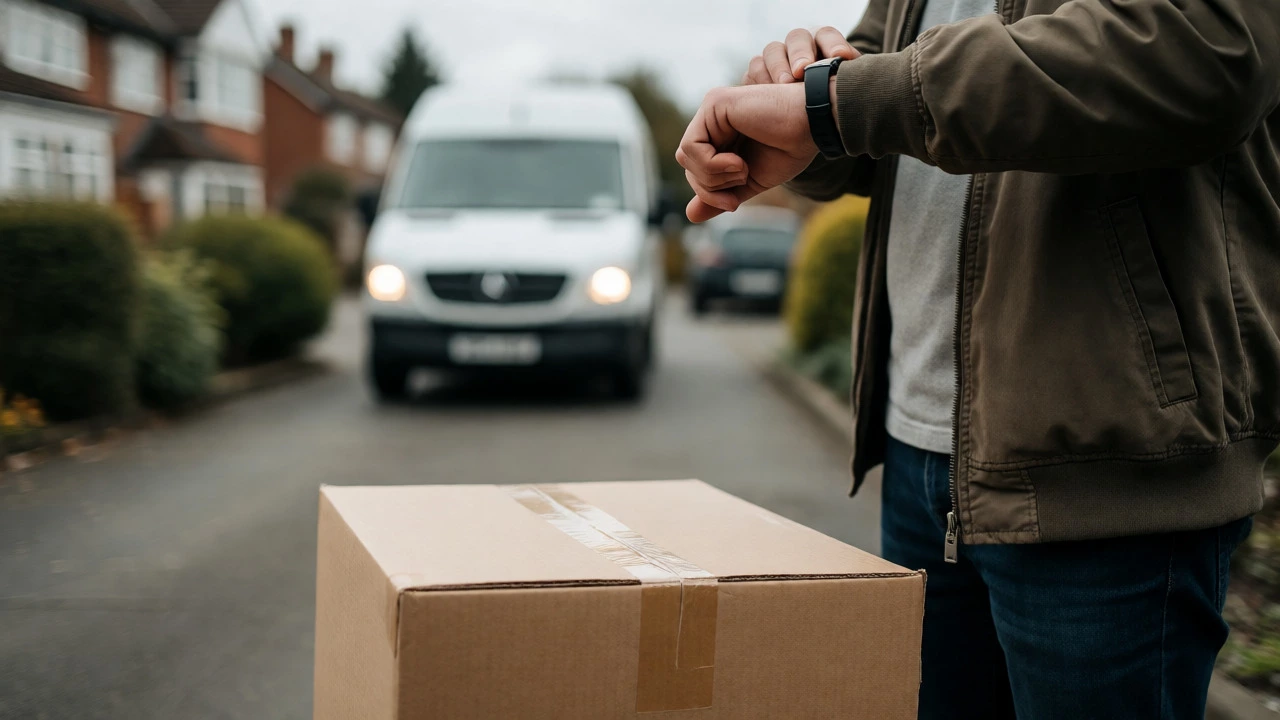
You’ve packed the box. You’ve taped it shut. Now you’re staring at your driveway, wondering if that courier truck is actually going to show up or if you just wasted twenty dollars on a service you could have walked to the post office for in ten minutes. It’s a valid question. Parcel collection is convenient, but it isn’t always free, and the price tags vary wildly depending on who you ask and how much they want your business.
The short answer? It depends. But "it depends" is lazy advice. Let’s break down exactly what drives the cost of having a courier pick up your package, so you can decide if paying extra is worth skipping the trip to the drop-off point.
Why Do Some Pickups Cost More Than Others?
Think of courier services like Uber drivers. If everyone wants a ride at 5 PM on a Friday, prices spike. Shipping works similarly, but with physical constraints. When you book a pickup, you aren’t just buying transportation; you’re buying the driver’s time to deviate from their standard route.
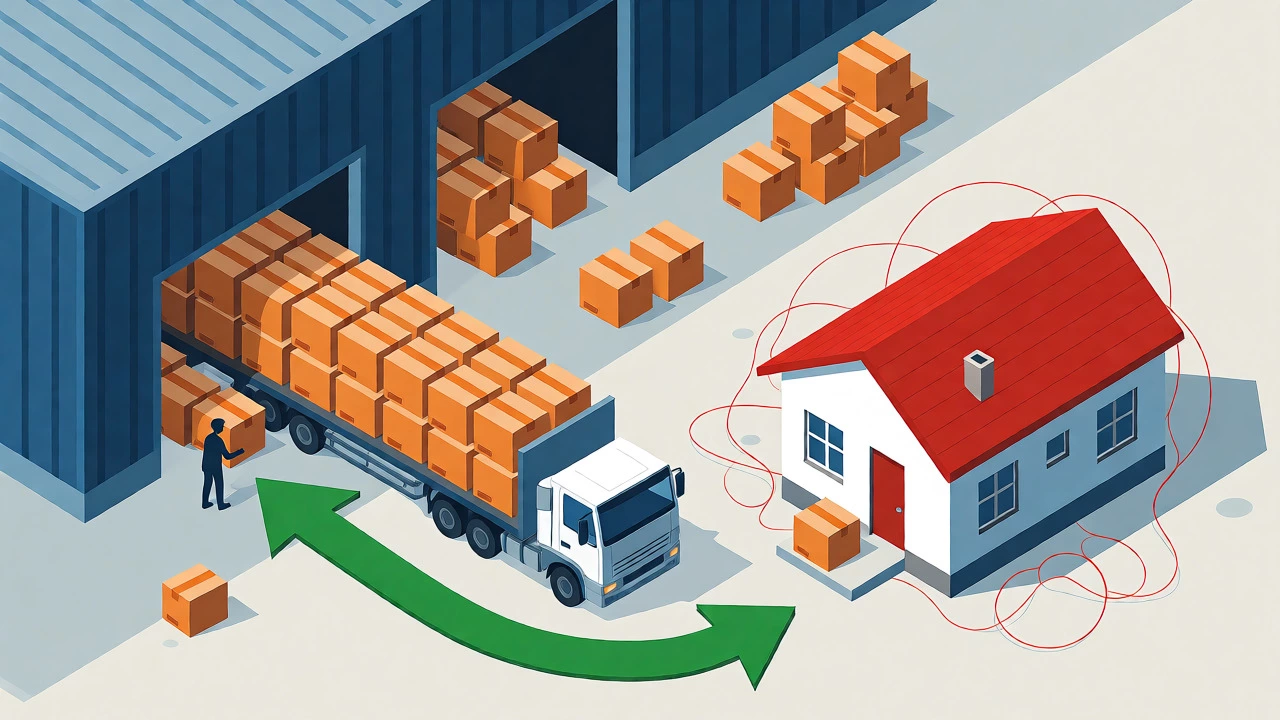
Major carriers like UPS, FedEx, and DHL often charge a flat fee for pickups if you don’t have a business account. For individual shippers, this usually ranges between $10 and $20 per pickup. Why? Because sending a driver to a residential address where there might be no one home, or where the dog tries to eat the scanner, costs them more than stopping at a busy commercial hub.
However, if you are an E-commerce seller with volume, these fees often disappear. Carriers know that picking up fifty boxes from one warehouse is efficient. Picking up one box from a suburban house is not. This efficiency gap is the primary reason for the price difference.
Breakdown of Typical Collection Fees
To give you a realistic idea of what hits your bank account, let’s look at current market rates as of late 2026. Note that these are estimates for standard domestic shipments within major metropolitan areas.
| Service Provider | Standard Pickup Fee | Scheduled Window | Best For |
|---|---|---|---|
| USPS | $0 (with label) | Same day (if booked before noon) | Light packages, low urgency |
| UPS | $12 - $18 | Specific 2-4 hour window | Business accounts, high value |
| FedEx | $10 - $15 | Morning or Afternoon block | Time-sensitive deliveries |
| Local Couriers | $5 - $10 | Flexible / On-demand | Hyper-local, same-day needs |
Notice the outlier? USPS frequently offers free pickups for Priority Mail and other services if you generate the label online. Their logic is simple: the mail carrier is already walking your street. Adding a package to their satchel costs them almost nothing compared to dispatching a separate vehicle.
Hidden Costs That Sneak Up on You
The sticker price on the checkout page isn’t always the final number. Several factors can inflate the cost of a parcel collection unexpectedly.
- Residential Surcharge: Even if the pickup itself is cheap, delivering to a home often adds $3-$5 to the total shipping cost. This applies whether you pay for pickup or drop off.
- Missed Pickup Fees: If the driver arrives and you aren’t ready, or the package isn’t labeled correctly, some carriers charge a re-attempt fee. This can range from $5 to $15.
- Peak Season Surcharges: During November and December, many carriers add a temporary fee to every shipment. In 2026, expect this to apply even to pickup requests due to labor shortages.
- Special Handling: If your parcel requires a signature upon receipt or contains hazardous materials, the pickup driver may need specialized training or equipment, adding to the cost.
I once saw a small business owner get hit with a $45 bill because his employee left the box on the porch without attaching the shipping label properly. The driver couldn’t scan it, left it, and charged a failed pickup fee. Attention to detail saves money here.
How to Get Free or Discounted Pickups
You don’t have to pay full price if you know where to look. Here are three strategies to reduce or eliminate collection fees.
1. Leverage Retail Partnerships
Platforms like Shippo, Pirate Ship, or EasyPost negotiate bulk rates with carriers. While they primarily offer discounted shipping labels, some include free pickup options for USPS or regional carriers. Check the fine print on your shipping dashboard.
2. Bundle Your Shipments
If you run a small shop, try to accumulate orders. Instead of requesting a pickup for every single sale, wait until you have five or ten boxes ready. Many local couriers will waive the minimum fee if you meet a certain volume threshold. Ask them directly-most won’t advertise this, but they’ll do it to keep your loyalty.
3. Switch to Drop-Off for Low-Value Items
Be honest with yourself. Is saving ten minutes of driving worth $15? For a $5 profit margin item, probably not. Use drop-off points located in grocery stores or gas stations for low-stakes packages. Save the paid pickup for high-value electronics or urgent documents.

When Is Pickup Actually Worth the Money?
Convenience has a value, but it shouldn’t bankrupt you. Here is a quick decision framework to help you choose.
Pay for pickup if:
- You are shipping multiple heavy or bulky items that are difficult to carry.
- The destination is remote, and the carrier’s network makes drop-off inconvenient.
- You are selling high-ticket items where customer experience matters (e.g., luxury goods).
- Your time is valued higher than the pickup fee (e.g., you earn $50/hour and pickup takes 15 minutes).
Skip pickup if:
- You are shipping a single lightweight envelope or small box.
- There is a drop-off location within a 5-minute drive.
- The item is low-value, and margins are tight.
- You are comfortable waiting in line at the post office.
Remember, logistics is about balancing speed, cost, and effort. There is no universal right answer, only what fits your current workflow.
The Future of Parcel Collection
We are seeing a shift toward automated collection. Smart lockers and autonomous delivery vehicles are beginning to appear in dense urban areas. Companies like Amazon are experimenting with drone pickups for Prime members in select regions. While this technology is still nascent in 2026, it hints at a future where the concept of "pickup fees" becomes obsolete because the infrastructure is already present in your neighborhood.
For now, though, human drivers rule the roads. Understanding their incentives helps you navigate the pricing structure. They want efficiency. Give them efficiency, and you might just negotiate a better rate.
Is parcel pickup really free with USPS?
Yes, for most domestic services like Priority Mail and Ground Advantage, USPS does not charge a fee for scheduling a pickup from your home. You must purchase the postage online and schedule the pickup through their website. However, international shipments or special handling services may incur additional costs.
What happens if I miss my scheduled pickup?
If the driver cannot collect your package during the scheduled window, you typically have two options. You can reschedule the pickup for the next day, which is often free if done promptly. Alternatively, you can take the package to a nearby drop-off location. Some private carriers like UPS or FedEx may charge a re-attempt fee if the failure was due to incorrect labeling or lack of access.
Do I need to be home for the courier?
Not necessarily. Most carriers allow you to leave the pre-labeled package in a secure location, such as a porch, garage, or designated area. You should specify this in the pickup instructions. However, if the package is valuable or fragile, being present to hand it over ensures it isn’t damaged or stolen before it enters the carrier’s custody.
Can I get cheaper pickup rates for business?
Absolutely. Business accounts with carriers like DHL, FedEx, and UPS often receive waived pickup fees as part of their contract terms. Additionally, third-party logistics providers (3PLs) and shipping aggregators offer negotiated rates that include free pickups for eligible services. Volume discounts also play a significant role in reducing overall logistics costs.
Are pickup fees tax-deductible?
For self-employed individuals and businesses, shipping costs, including pickup fees, are generally considered ordinary and necessary business expenses. This means they can often be deducted from taxable income. Keep detailed receipts and invoices to substantiate these claims during tax season. Consult a tax professional for advice specific to your jurisdiction and business structure.