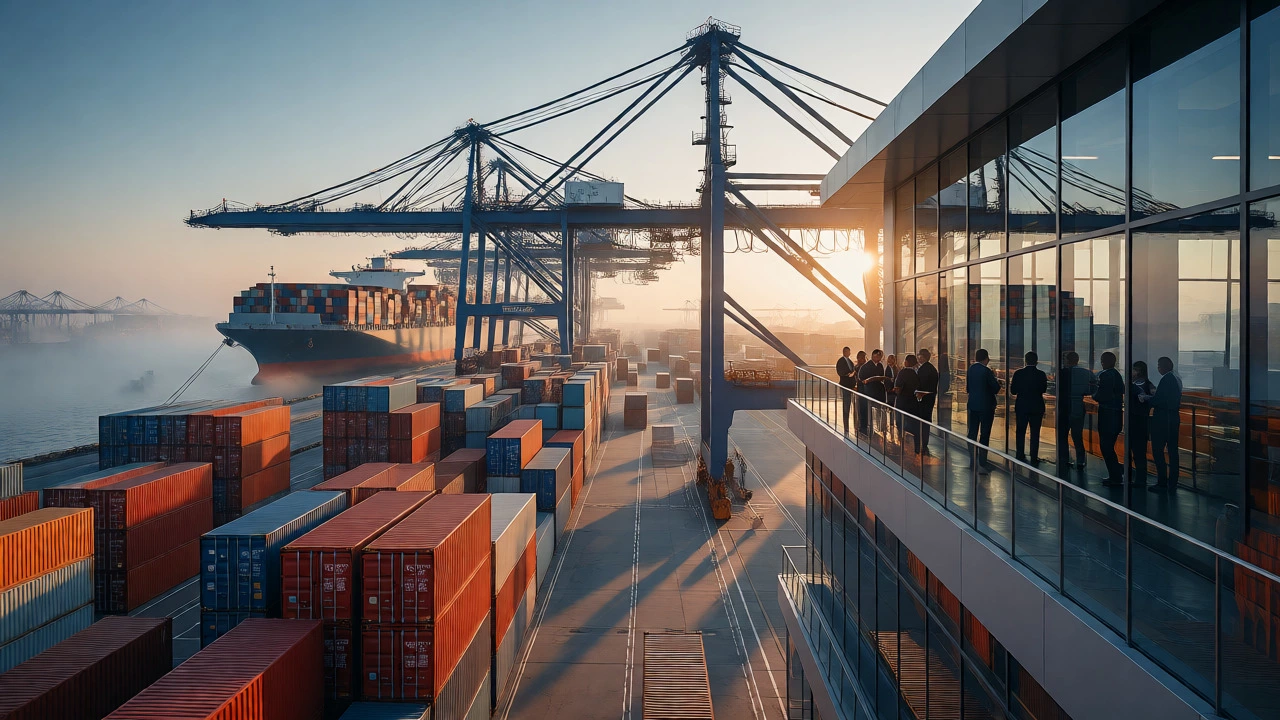
Freight Forwarding Cost Estimator
Use this tool to estimate the total landed cost for your shipment. Remember that actual rates vary by market conditions, fuel surcharges, and specific carrier agreements.
Shipment Details
Estimated Costs
Freight is charged on the greater of actual weight or volumetric weight.
| Base Freight Rate: | £0.00 |
| Service Fees: | £0.00 |
| Location Surcharge: | £0.00 |
| Total Estimated Cost: | £0.00 |
Next Steps in Forwarding Process:
- 1 Request Formal Quote from Forwarder
- 2 Provide Commercial Invoice & Packing List
- 3 Confirm Booking & Receive Bill of Lading
- 4 Track Shipment via Digital Portal
- 5 Clear Customs & Arrange Final Delivery
Enter shipment details to see estimated costs.
You’ve probably heard the term freight forwarding thrown around in business meetings or seen it on a shipping label, but what does it actually mean? If you’re trying to move goods from a factory in Vietnam to a warehouse in Liverpool, you don’t just hand them to a truck driver and hope for the best. You need a specialist who knows how to navigate borders, paperwork, and different modes of transport. That’s where freight forwarders come in.
Think of a freight forwarder as a travel agent for your cargo. They don’t own the ships, planes, or trucks, but they book the space, handle the logistics, and ensure your goods arrive safely and on time. This article breaks down exactly what freight forwarding is, how it works, and why it’s the backbone of global trade.
The Core Definition of Freight Forwarding
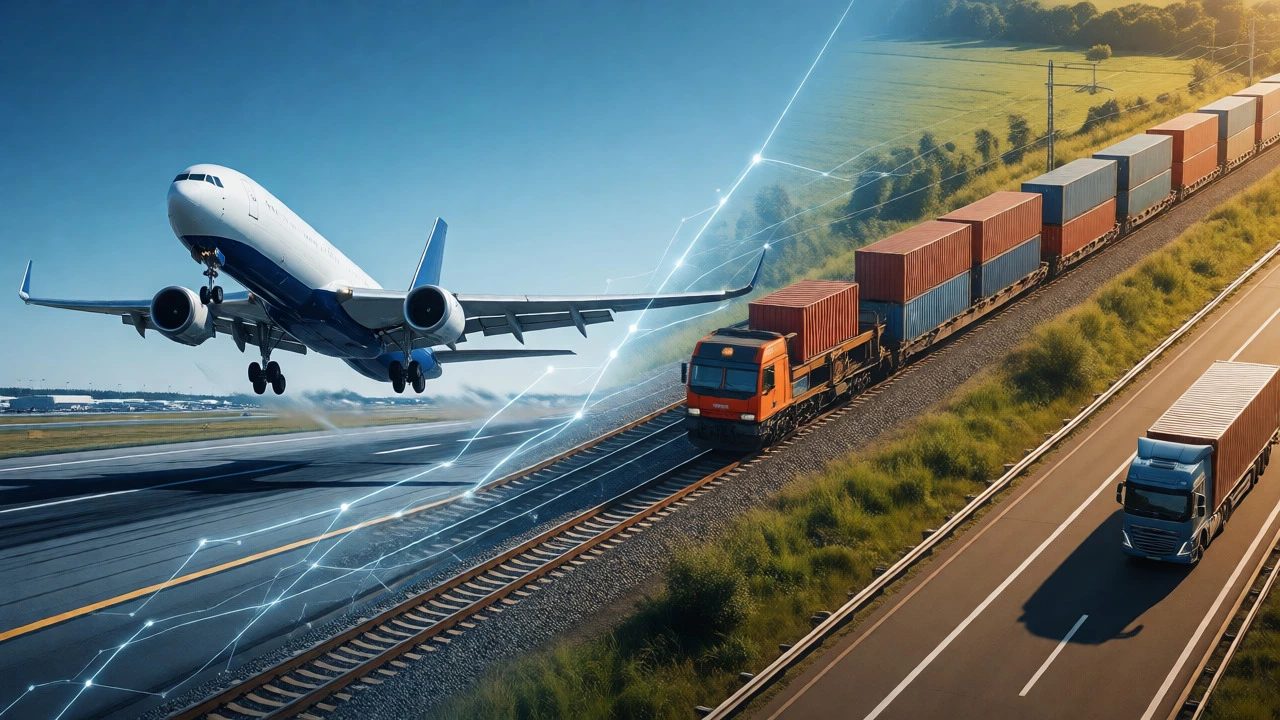
Freight forwarding is the process of organizing shipments for consumers and businesses to move their goods globally or domestically. It involves coordinating the movement of products across various transportation modes-such as ocean, air, road, and rail-to get them from point A to point B efficiently.
A freight forwarder is a company that acts as an intermediary between shippers and various transportation services. Unlike carriers, forwarders do not physically move the goods themselves. Instead, they arrange for the carriage of goods by sea, air, or land, and often provide additional services like warehousing, packaging, and customs brokerage.
This distinction is crucial. When you hire a freight forwarder, you are paying for expertise and coordination, not just transportation. They leverage their volume buying power to negotiate better rates with carriers, which can save small and medium-sized businesses thousands of pounds annually.
How Freight Forwarding Works Step-by-Step
Understanding the workflow helps demystify the complexity of international trade. Here’s what typically happens when you engage a freight forwarder:
- Inquiry and Quotation: You provide details about your shipment (weight, dimensions, origin, destination). The forwarder quotes a price based on current market rates and carrier availability.
- Booking Cargo Space: Once you accept the quote, the forwarder books space on a vessel, plane, or truck. They act as the shipper’s agent, securing capacity even during peak seasons.
- Pickup and Consolidation: The forwarder arranges for the goods to be collected from your supplier. If you have multiple smaller shipments, they might consolidate them into one container (LCL - Less than Container Load) to reduce costs.
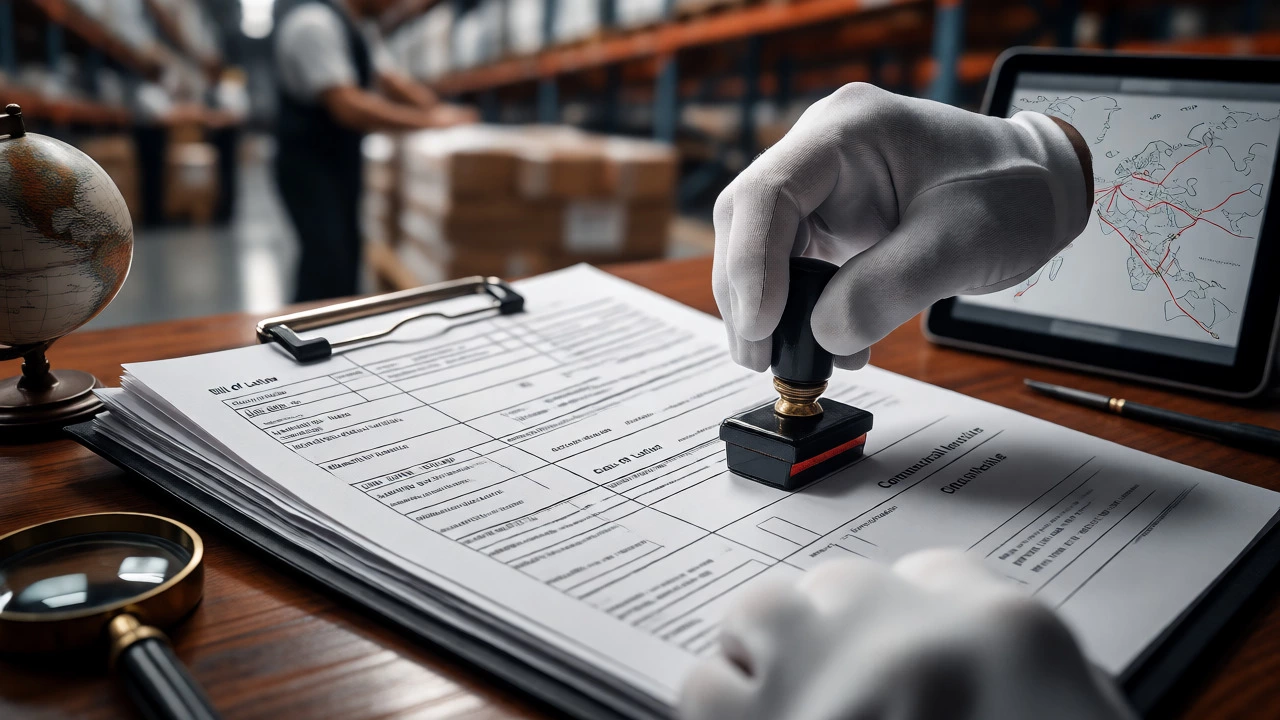
- Export Documentation: This is where things get tricky. The forwarder prepares essential documents like the Bill of Lading, Commercial Invoice, and Packing List. Errors here can cause massive delays at customs.
- Customs Clearance: At both the origin and destination, the forwarder (or their local partner) handles customs formalities. They ensure duties and taxes are paid correctly and that the goods comply with local regulations.
- Final Delivery: Once cleared, the goods are transported to the final destination. The forwarder tracks this last mile and provides proof of delivery.
Key Services Provided by Freight Forwarders
While moving goods is the primary function, modern forwarders offer a suite of value-added services that streamline the supply chain.
| Service | Description | Benefit |
|---|---|---|
| Transportation Arrangement | Booking space on ships, planes, trains, or trucks. | Access to competitive rates and reliable schedules. |
| Customs Brokerage | Handling import/export declarations and duty payments. | Compliance with laws and avoidance of fines. |
| Warehousing & Storage | Temporary storage before or after transit. | Inventory flexibility and consolidation opportunities. |
| Cargo Insurance | Protecting goods against loss or damage during transit. | Financial security for high-value shipments. |
| Tracking & Visibility | Real-time updates on shipment status via digital platforms. | Better planning and customer communication. |
Why Businesses Use Freight Forwarders
If you have a large corporation with its own logistics department, why would you outsource this? Even big companies use forwarders because the global logistics landscape is incredibly fragmented. There are hundreds of airlines, thousands of shipping lines, and countless border regulations.
For small and medium enterprises (SMEs), the benefits are even more pronounced. Managing international shipping requires specialized knowledge that most businesses lack. Hiring a full-time logistics expert is expensive; using a forwarder turns a fixed cost into a variable one. You only pay when you ship.
Furthermore, forwarders mitigate risk. If a strike hits a major port in Rotterdam, or if new tariffs are imposed on electronics, a good forwarder will alert you immediately and suggest alternative routes. They absorb the operational chaos so you can focus on selling your product.
Freight Forwarder vs. Carrier: What’s the Difference?
This is a common point of confusion. Let’s clear it up.
- Carrier: Owns and operates the physical assets (ships, planes, trucks). Examples include Maersk, DHL Express, or FedEx. Their job is to move the box from one place to another.
- Freight Forwarder: Does not own the vehicles. They organize the movement. They buy space from carriers in bulk and resell it to clients. Examples include Kuehne+Nagel, DSV, or Flexport.
Imagine booking a holiday. The airline is the carrier-they fly the plane. The travel agency is the forwarder-they find the flights, book the hotel, and arrange transfers. You could try to book everything yourself, but the agent saves you time and often money through package deals.
The Role of Technology in Modern Freight Forwarding
Gone are the days of fax machines and endless phone calls. Today, digital freight forwarding relies on cloud-based platforms that offer real-time visibility. Tools like project44 or FourKites allow shippers to track containers down to the GPS coordinate.
This transparency changes how businesses operate. You no longer guess where your stock is; you know exactly when it will hit the shelf. Automation also speeds up documentation. Electronic Bills of Lading (eBL) are replacing paper versions, reducing processing times from days to minutes. For anyone involved in international shipping, adopting these digital tools is no longer optional-it’s essential for staying competitive.
Choosing the Right Freight Forwarder
Not all forwarders are created equal. Some specialize in air freight, others in ocean. Some are great with perishables, others with hazardous materials. Here’s how to pick the right partner:
- Network Coverage: Do they have agents in your key markets? A forwarder strong in Asia but weak in South America won’t help if you sell there.
- Industry Expertise: Have they handled goods like yours before? Experience with temperature-controlled pharmaceuticals differs vastly from dry bulk commodities.
- Tech Stack: Can you access tracking data easily? Is their interface user-friendly?
- Communication: Are they responsive? When things go wrong (and they will), you need a partner who picks up the phone.
Ask for references. Check reviews. Test their responsiveness with a complex query before signing a contract. The cheapest quote isn’t always the best deal if it comes with hidden fees or poor service.
Is freight forwarding the same as shipping?
No. Shipping refers to the actual physical movement of goods by a carrier (like a ship or plane). Freight forwarding is the broader service of organizing that movement, including booking, documentation, customs, and logistics coordination. Think of forwarding as the management layer on top of shipping.
Do freight forwarders own trucks and ships?
Generally, no. Most freight forwarders are asset-light, meaning they do not own the vessels or trucks. They purchase space from carriers (shipping lines, airlines) and sell it to customers. However, some large integrated logistics providers may own some assets, but the core forwarding model relies on third-party carriers.
What documents does a freight forwarder handle?
They manage critical paperwork such as the Bill of Lading (for ocean freight) or Air Waybill (for air freight), Commercial Invoices, Packing Lists, Certificates of Origin, and customs declarations. Accuracy in these documents is vital to prevent delays at borders.
Can I ship directly without a freight forwarder?
Yes, especially for small parcels via courier services like DHL or UPS. However, for larger commercial shipments, doing it yourself requires handling customs, booking slots, and managing risks independently. For most businesses, the complexity and liability make using a forwarder more efficient and safer.
How much does freight forwarding cost?
Costs vary widely based on mode (air vs. sea), weight, volume, distance, and fuel surcharges. Forwarders typically charge a margin on the carrier’s rate plus service fees for customs, documentation, and handling. Always ask for an all-inclusive quote to avoid surprise charges.