
International Shipping Cost & Speed Estimator
Enter details on the left to see your cost breakdown and delivery speed.
Ever stared at a checkout page wondering if your package will actually make it across the ocean on time? If you are selling goods abroad or sending a gift to a relative in another country, FedEx is often the first name that pops into your head. But does it really cover every corner of the globe, and what does it cost? The short answer is yes, but the details matter a lot when you are dealing with borders, taxes, and tight deadlines.
The Short Answer: Yes, and Here’s How
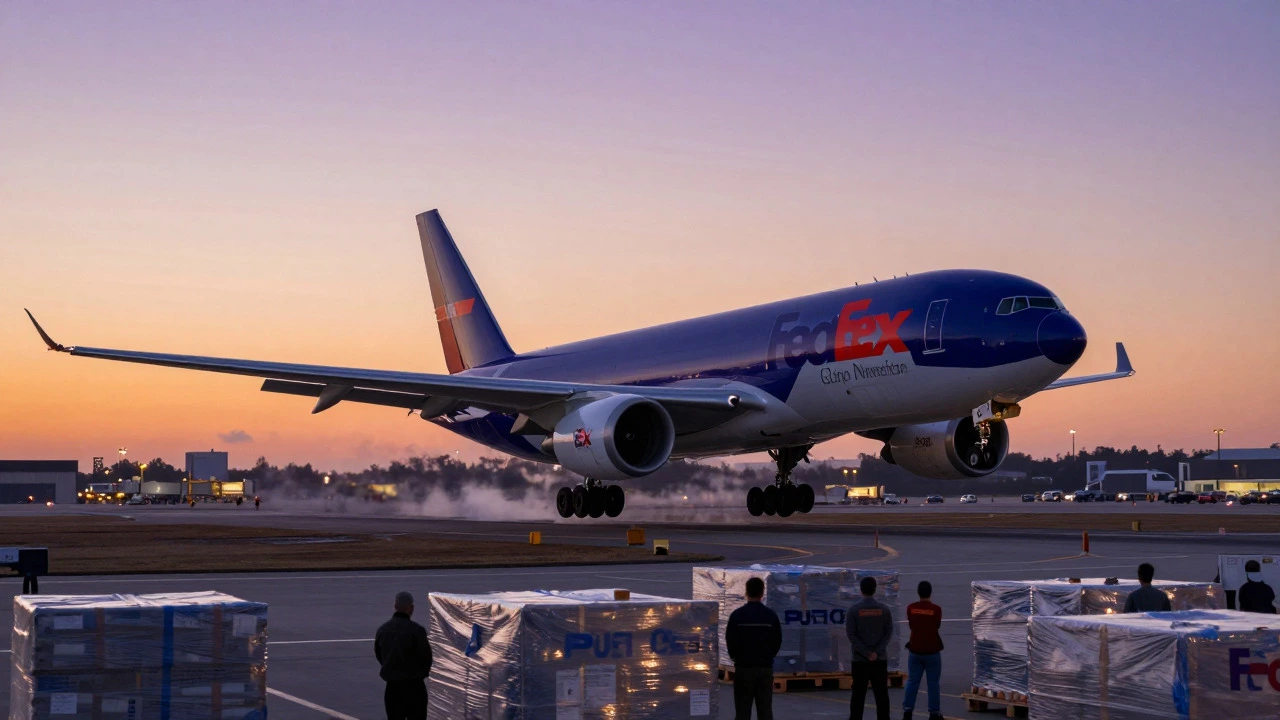
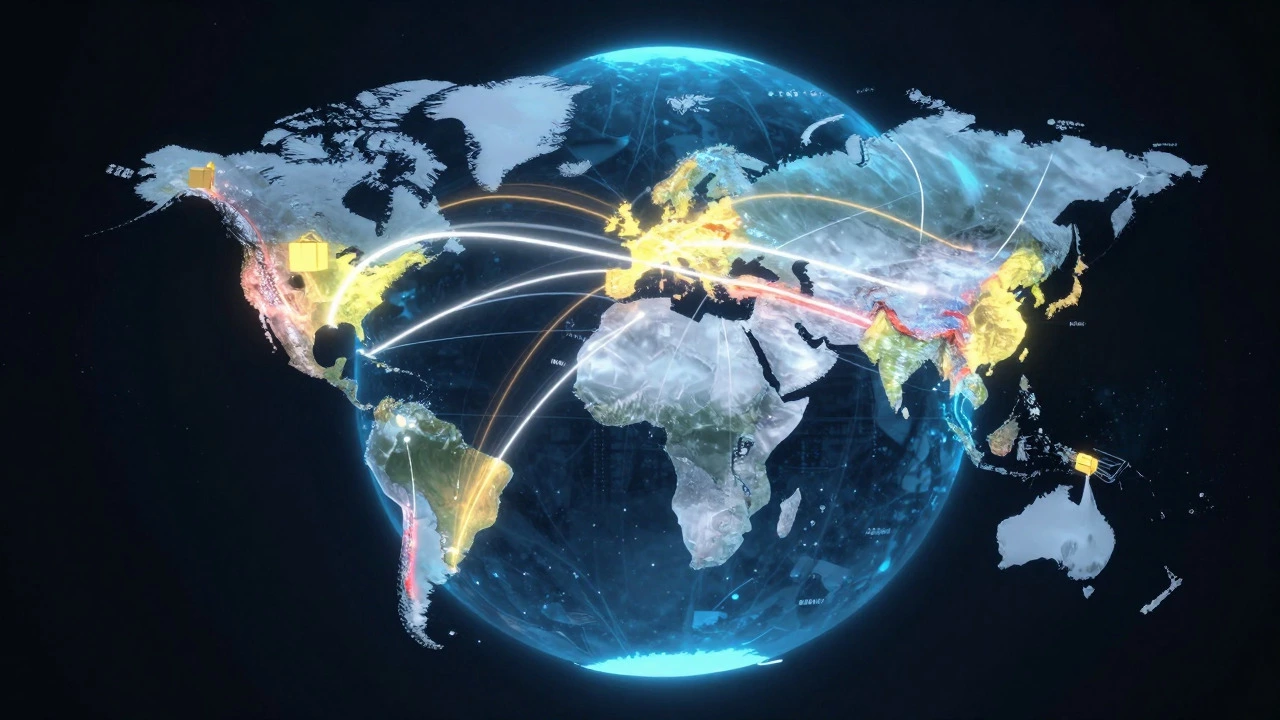
FedEx International Shipping is a global logistics network that connects over 220 countries and territories through air and ground transportation. It is not just a mail service; it is a complex system of hubs, aircraft, and customs brokers designed to move goods quickly. When you ship internationally with them, you are tapping into one of the largest private aviation fleets in the world. This infrastructure allows for consistent transit times, which is crucial if you are running an e-commerce store where late deliveries lead to refunds.
However, "shipping internationally" isn't a single button you click. It involves choosing between different speed tiers and understanding how local regulations affect your parcel. For instance, a package going from the US to Germany moves differently than one going from Japan to Australia. The route, the mode of transport (air vs. ground), and the destination's customs efficiency all play a role.
Breaking Down the Service Options
Not all international shipments are created equal. FedEx offers specific products tailored to different needs, balancing speed against cost. Knowing which one fits your situation saves money and headaches.
- FedEx International Priority: This is the premium option. It guarantees delivery to most major cities worldwide within 1-3 business days. It uses air freight exclusively. If you have a deadline or high-value goods, this is the standard choice.
- FedEx International Economy: A slower, more affordable alternative. Delivery typically takes 4-6 business days. It may use a mix of air and ground transport depending on the distance. Great for non-urgent B2B shipments.
- FedEx International First: The fastest service available. It delivers to key markets like Europe, Asia, and Latin America in 1-2 business days. It operates on a fixed schedule, meaning your package must be picked up by a strict cutoff time to make the flight.
There is also FedEx International Ground, but note that this usually only applies to regions like North America and parts of Europe where road networks are dense enough to compete with air. For true long-haul international shipping, air is king.
Understanding Costs and Hidden Fees
The base rate is just the beginning. When shipping across borders, several extra charges can sneak into your final bill. Ignoring these leads to surprise invoices that eat into your profit margins.
| Fee Type | Description | Typical Trigger |
|---|---|---|
| Base Freight | Cost based on weight and distance | All shipments |
| Fuel Surcharge | Percentage added to cover fuel costs | All shipments (varies monthly) |
| Customs Duties & Taxes | Government fees imposed by destination country | High-value or restricted items |
| Remote Area Fee | Extra cost for hard-to-reach locations | Rural or island destinations |
| Handling Fee | Charge for processing paperwork | Complex commercial invoices |
Duties and taxes are often the biggest shock for new shippers. Depending on whether you use DDP (Delivered Duty Paid) or DDU (Delivered Duty Unpaid), either you or the recipient pays these. In DDP, you pay upfront, making the experience smoother for the buyer. In DDU, the receiver gets a bill upon arrival, which can cause delays if they don't have cash ready. For e-commerce, DDP is generally preferred to avoid negative reviews due to unexpected fees.
Customs Clearance: The Make-or-Break Step
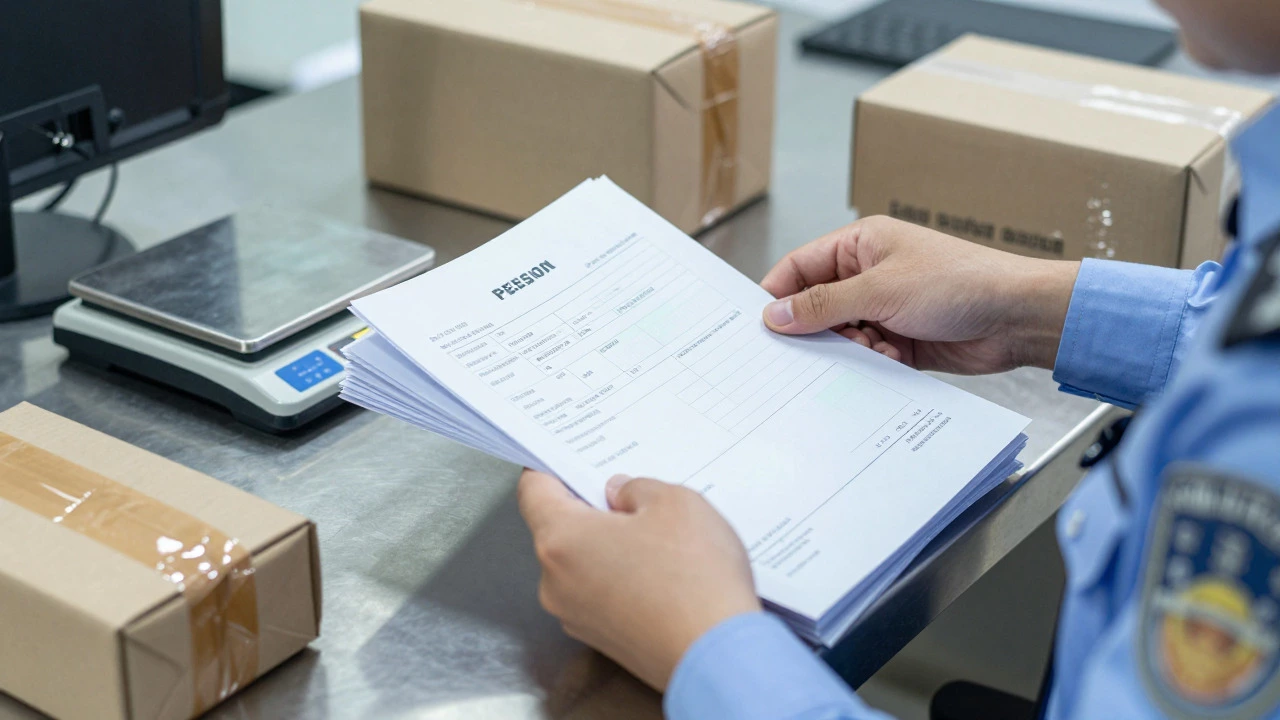
Shipping domestically is simple. Shipping internationally requires navigating customs. This is where many packages get stuck. Customs authorities inspect goods to ensure they comply with local laws, check for prohibited items, and assess duties.
FedEx handles much of the paperwork for you, but you must provide accurate data. Your commercial invoice needs to list the exact contents, value, and origin of the goods. Vague descriptions like "gift" or "parts" often trigger inspections. Specificity is your friend. For example, instead of writing "electronics," write "wireless Bluetooth headphones, Model X1, $50 USD."
Prohibited items vary by country. While batteries might fly freely from the US to Canada, they might require special packaging or even be banned in other jurisdictions. Always check the specific import restrictions of your destination before hitting send. A rejected shipment means paying for return shipping plus storage fees, which can double your initial cost.
Tracking and Visibility Across Borders
One of FedEx’s strongest assets is its tracking technology. You aren't left guessing where your box is. The system provides granular updates, including scans at departure airports, customs clearance status, and final delivery attempts.
For businesses, API integration allows you to pull this data directly into your own software. This helps automate customer notifications. Imagine automatically emailing a client when their package clears customs in France. That level of transparency builds trust. However, keep in mind that during peak seasons like Black Friday or Chinese New Year, tracking updates can lag slightly due to volume spikes. Patience is still required, even with the best tech.
Comparing FedEx to Competitors
You aren't limited to FedEx. UPS and DHL are the main rivals in the international space. Each has strengths.
DHL is often considered the leader in pure international reach, especially in Europe and Asia, thanks to its extensive local partnerships. UPS tends to dominate in North America and has strong ground options in certain regions. FedEx sits in the middle, offering excellent balance between speed, price, and reliability. If your primary market is Europe, compare quotes carefully. Sometimes DHL wins on price; sometimes FedEx wins on speed. The best approach is to run a test shipment with each carrier to see which handles your specific lane better.
Best Practices for Smooth International Shipping
- Verify Dimensions and Weight: Use a digital scale and measure length, width, and height. Volumetric weight often exceeds actual weight for bulky items, increasing costs.
- Package Securely: International trips involve multiple handling points. Use double-boxing for fragile items to prevent damage.
- Label Clearly: Ensure the address is legible and includes the country name in English, even if the local language differs. Add a phone number for the recipient.
- Keep Copies: Save digital copies of your commercial invoice and packing list. You may need them if customs asks questions later.
- Choose the Right Insurance: Standard coverage is low. For valuable items, purchase additional insurance. Claims without proof of value are rarely paid out fully.
By following these steps, you minimize the risk of delays and disputes. It turns a potentially stressful process into a routine part of your business operations.
Does FedEx ship to every country?
FedEx ships to over 220 countries and territories. However, service levels vary. Some remote areas may only receive economy services or have longer transit times. Always check the specific service availability for your destination zip code or region on the official rate calculator.
Who pays for customs duties?
It depends on the Incoterm chosen. If you select DDP (Delivered Duty Paid), the sender pays. If you select DDU (Delivered Duty Unpaid) or DAT (Delivered at Terminal), the recipient usually pays. Most e-commerce sellers prefer DDP to provide a seamless customer experience.
How fast is FedEx International Priority?
FedEx International Priority typically delivers to major cities worldwide within 1 to 3 business days. Exact times depend on the origin and destination. For example, US to UK is usually 2 days, while US to Japan might take 3 days.
Can I track my international package?
Yes, FedEx provides end-to-end tracking for all international shipments. You can see when the package leaves the origin hub, enters customs, clears customs, and arrives at the destination facility. Real-time updates are available via the website or mobile app.
What items are prohibited from international shipping?
Common prohibitions include perishable foods, liquids over 100ml (for air cargo), lithium batteries (without proper labeling), and counterfeit goods. Regulations vary by country, so always check the destination's import rules before shipping sensitive items.