E-Commerce Logistics Simulator
Click "Place Order" to simulate the journey of a package through the modern e-commerce supply chain. Observe how data flows, physical movement occurs, and costs are incurred at each stage.
-
Pending
1. Digital Trigger & Verification
Stock check, Payment validation, Order ID generation -
Pending
2. Inventory & Routing
WMS allocation, Warehouse selection, Pick task creation -
Pending
3. Pick, Pack & Label
Physical retrieval, Packaging optimization, Barcode labeling -
Pending
4. Carrier Handover & Hub Transit
Scanning into network, Regional sorting, National gateway -
Pending
5. Last-Mile Delivery
Final station dispatch, Home delivery attempt -
Pending
6. Post-Delivery / Returns
Customer receipt or Return initiation (Reverse Logistics)
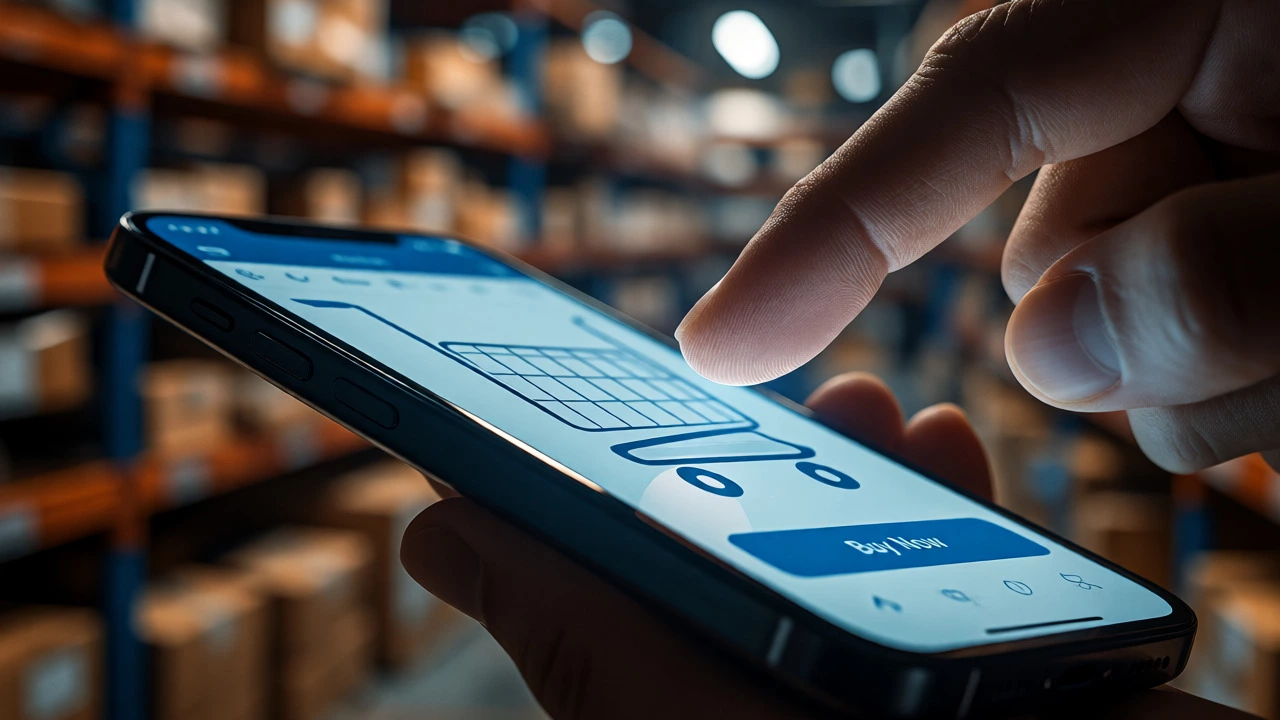
You click "Buy Now" on a pair of trainers. Three days later, they land on your doorstep in Liverpool. Simple, right? But behind that simple transaction lies a chaotic, high-speed machine involving data packets, physical boxes, and thousands of moving parts. If you’ve ever wondered how a digital button translates into a physical object arriving at your house, you’re asking the right question. E-commerce is not just an online shop; it’s a complex digital-to-physical supply chain operation that connects sellers directly with consumers via the internet, relying heavily on precise logistics coordination.
Most people think e-commerce is about websites and marketing. It’s actually about movement. The website is just the storefront; the real magic happens when the order leaves the screen and enters the physical world. This guide breaks down exactly what happens between the click and the delivery, stripping away the jargon to show you the nuts and bolts of modern retail.
The Digital Trigger: From Click to Order Confirmation
It starts with data. When you hit purchase, your browser sends a request to the retailer’s server. This isn’t just a message saying "I want this." It’s a verification check. The system confirms three things instantly: Is the product in stock? Is the payment valid? And can we ship to this address?
If any of these fail, the order doesn’t go through. If they pass, the system generates a unique Order ID. This ID is the passport for your package. It travels with the item from the moment it’s picked until it’s signed for. Without this digital thread, the physical process would collapse into chaos. For retailers using platforms like Shopify or Magento, this step often triggers automated emails confirming the sale, but the real work has only just begun.
Inventory Management and Order Routing
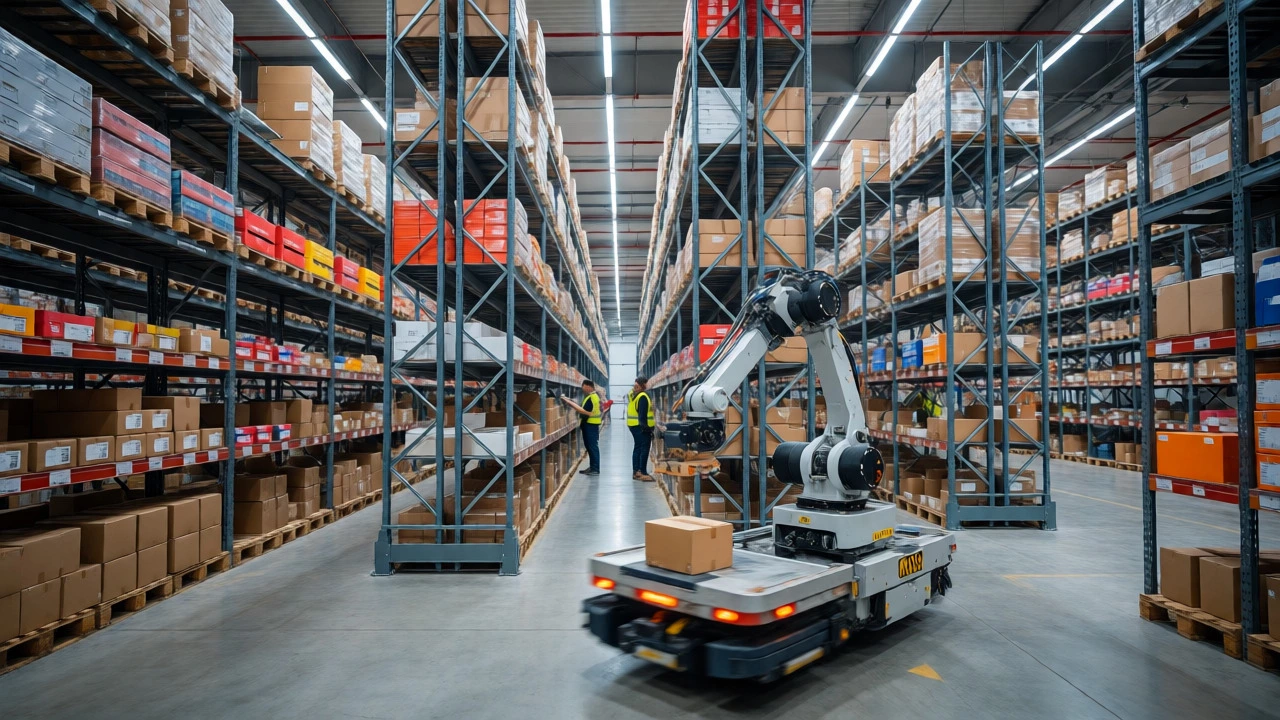
Once the order is confirmed, the Warehouse Management System (WMS) takes over. This software tells the staff where the item is located within the facility. In small shops, this might mean walking to a shelf in the back room. In large distribution centers, it involves robots navigating aisles or pickers using handheld scanners.
Here’s where things get tricky for multi-location businesses. If a company has warehouses in Manchester and London, which one fulfills your order? Algorithms decide this based on proximity, stock levels, and shipping costs. If the Manchester warehouse has the item in stock and is closer to you, the system routes the order there. This decision impacts delivery speed significantly. Poor routing leads to longer transit times and higher shipping costs, which ultimately affects customer satisfaction.
| Model | Control Level | Cost Structure | Best For |
|---|---|---|---|
| In-House Fulfillment | High | Fixed overheads + labor | Brands wanting full brand experience control |
| Third-Party Logistics (3PL) | Medium | Pay-per-pick/pack/ship | Growing brands scaling quickly without capital investment |
| Dropshipping | Low | Product cost only | New entrepreneurs testing markets with low risk |
Picking, Packing, and Labeling
This is the physical heart of e-commerce logistics. A picker receives a task-either on paper or via a voice-directed headset-to retrieve specific SKUs (Stock Keeping Units). Accuracy is critical here. Picking the wrong size or color results in a return, which doubles the handling cost.
Once picked, items move to packing stations. Packers don’t just throw things in a box. They choose the smallest possible container to reduce dimensional weight charges from carriers. They add protective materials like bubble wrap or air pillows, ensuring the item survives the journey. Then comes the label. This barcode contains all the routing information needed by the courier network. If this label is damaged or unreadable, the package becomes "lost" in the system, causing delays and support tickets.
The Handover: Entering the Carrier Network
Your package leaves the seller’s building and enters the carrier’s ecosystem. This could be Royal Mail, DPD, UPS, or a local courier. The handover point varies. Some sellers have daily collection pickups; others drop off at depots. Once scanned by the carrier, the tracking number activates publicly.
From here, the package moves through a hub-and-spoke model. It goes from a local depot to a regional sorting hub, then potentially to a national gateway if crossing borders, and finally to a final-mile delivery station near you. Each scan updates the status you see on your phone. These scans are vital. They provide visibility. Without them, both the buyer and seller are blind, leading to anxiety and increased customer service inquiries.
Last-Mile Delivery: The Expensive Final Step
Last-mile delivery is the most expensive part of the entire process. It accounts for up to 53% of total shipping costs. Why? Because it’s inefficient. Instead of moving pallets of goods between warehouses, couriers deliver individual boxes to individual addresses. Traffic, parking issues, and missed deliveries make this stage unpredictable.
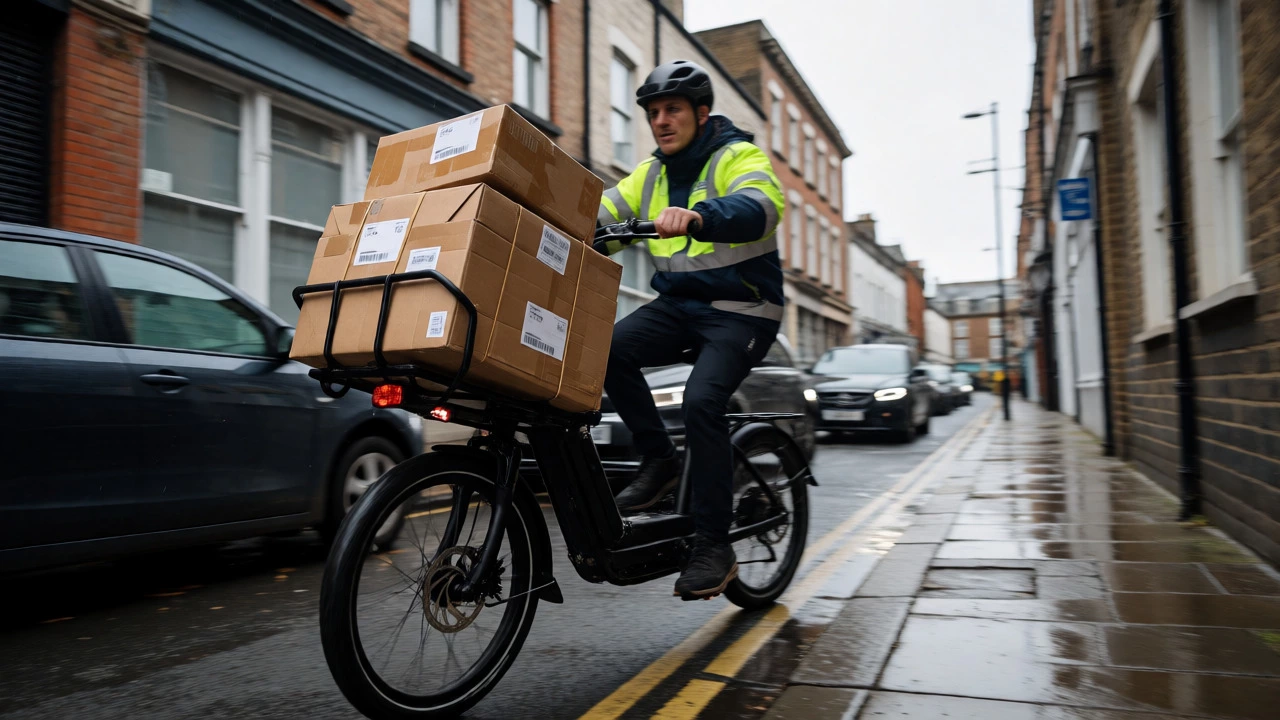
In urban areas like London or Liverpool, couriers use vans or even electric bikes to navigate narrow streets. In rural areas, larger trucks cover more ground per stop. Failed deliveries happen frequently-when no one is home, or the gate code doesn’t work. Each failed attempt adds cost and delay. This is why many retailers now offer parcel lockers or pickup points as alternatives. They consolidate deliveries, making the last mile cheaper and more reliable.
Returns and Reverse Logistics
The story doesn’t end when the package arrives. About 20-30% of online fashion purchases are returned. Handling returns is harder than sending them out. The item must be inspected, cleaned, repacked, and put back into inventory. If it’s damaged, it might be liquidated or recycled.
Reverse logistics requires its own workflow. Customers print labels, drop packages at post offices, and wait for refunds. Efficient return systems automate this process, updating inventory counts in real-time so other customers can buy the returned item immediately. Poor return policies drive customers away; smooth ones build loyalty.
The Role of Technology and Automation
Modern e-commerce relies on tech stacks that communicate seamlessly. APIs connect the store front, the WMS, and the carrier databases. When a shipment is created, the carrier API calculates rates and prints labels automatically. This reduces human error and speeds up processing.
Artificial intelligence also plays a role. Predictive analytics help retailers forecast demand, ensuring popular items are stocked in warehouses closest to likely buyers. Dynamic pricing adjusts costs based on shipping complexity. All these tools aim to shorten the time between click and doorbell.
Key Takeaways
- Digital Integration: Success depends on seamless data flow between sales platforms and logistics providers.
- Fulfillment Choice Matters: Deciding between in-house, 3PL, or dropshipping impacts cost, speed, and control.
- Last Mile is Critical: It’s the most expensive and complex stage, requiring smart routing and alternative delivery options.
- Returns Are Part of the Process: Efficient reverse logistics protect margins and maintain customer trust.
- Visibility Drives Trust: Real-time tracking updates reduce customer anxiety and support queries.
What is the difference between e-commerce and traditional retail logistics?
Traditional retail moves bulk quantities to stores, where customers come to the product. E-commerce moves individual units directly to homes. This shift changes everything from packaging requirements (smaller, sturdier boxes) to delivery networks (home delivery vs. truck drops).
Why is last-mile delivery so expensive?
Last-mile delivery lacks economies of scale. Delivering one box to one house requires significant fuel, labor, and vehicle wear compared to moving hundreds of boxes to a single warehouse. Traffic congestion and failed delivery attempts further increase costs.
Do I need a warehouse to start an e-commerce business?
Not necessarily. You can use third-party logistics (3PL) providers who store and ship products for you. Alternatively, dropshipping allows you to sell products without holding any inventory, as the supplier ships directly to the customer.
How does international e-commerce logistics differ?
International shipping adds customs clearance, import duties, and longer transit times. Packages may cross multiple borders, requiring detailed documentation. Delays at customs are common risks that domestic shipments avoid.
What happens if a package is lost during transit?
If tracking stops updating for a set period (usually 7-14 days), the carrier declares it lost. Retailers typically reship the item or refund the customer, then file a claim with the carrier for reimbursement. Insurance covers high-value items against such losses.