
International Shipping Cost Estimator
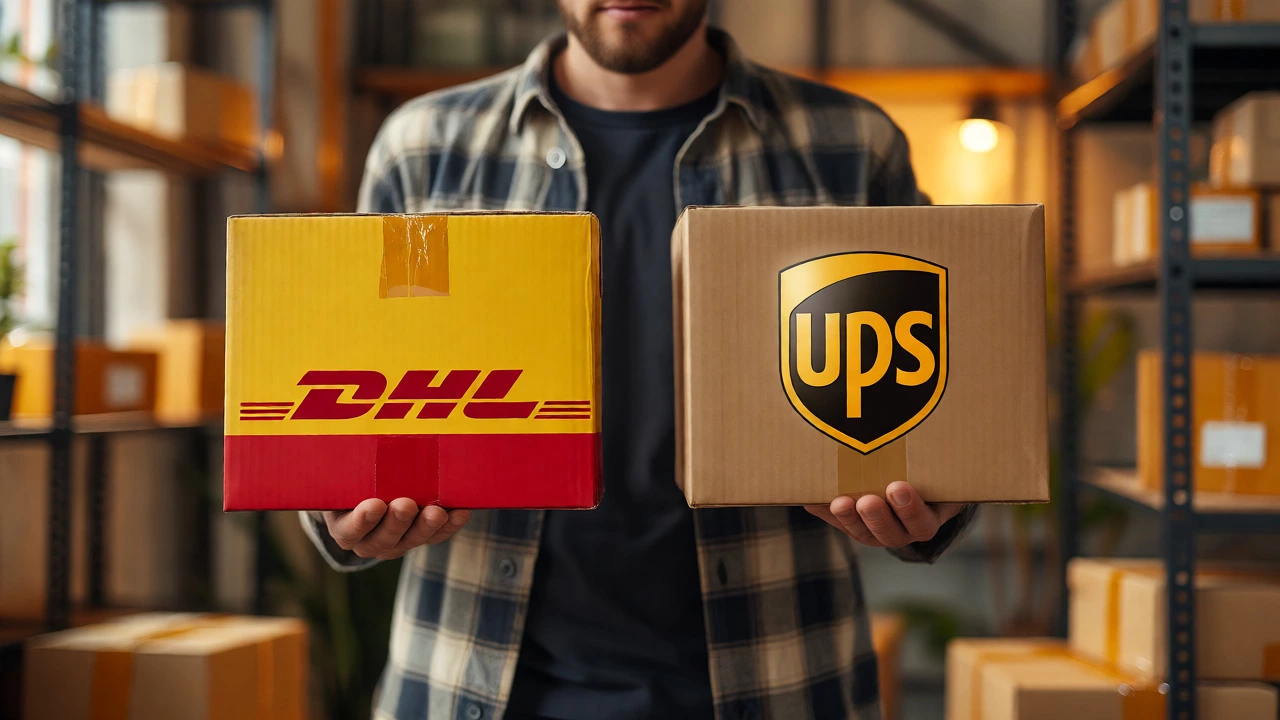
You’re staring at two quotes. One from DHL is a German logistics giant known for its dominance in cross-border express delivery and customs expertise. The other from UPS is an American package delivery service famous for its massive ground network and reliable domestic infrastructure. The prices are close. Maybe DHL is $5 cheaper. Or maybe UPS saves you ten bucks. But here’s the trap: the sticker price almost never tells the whole story.
If you’ve ever shipped a parcel overseas, you know the pain of unexpected surcharges, confusing dimensional weight rules, and hidden fees that turn a "cheap" quote into a budget nightmare. So, which one actually wins? The answer isn’t a simple "DHL" or "UPS." It depends entirely on where your package is going, how heavy it is, and whether you have a business account.
The Short Answer: Who Wins on Price?
| Scenario | Cheaper Option | Why? |
|---|---|---|
| US to Europe (Small Parcel) | UPS | Stronger domestic pickup network reduces first-mile costs. |
| Europe to Asia (Express) | DHL | Dense hub-and-spoke network in APAC lowers transit costs. |
| Global E-commerce Returns | DHL | Simplified return labels and lower reverse-logistics fees. |
| Heavy Freight (>70kg) | Depends | Negotiated rates matter more than published tariffs. |
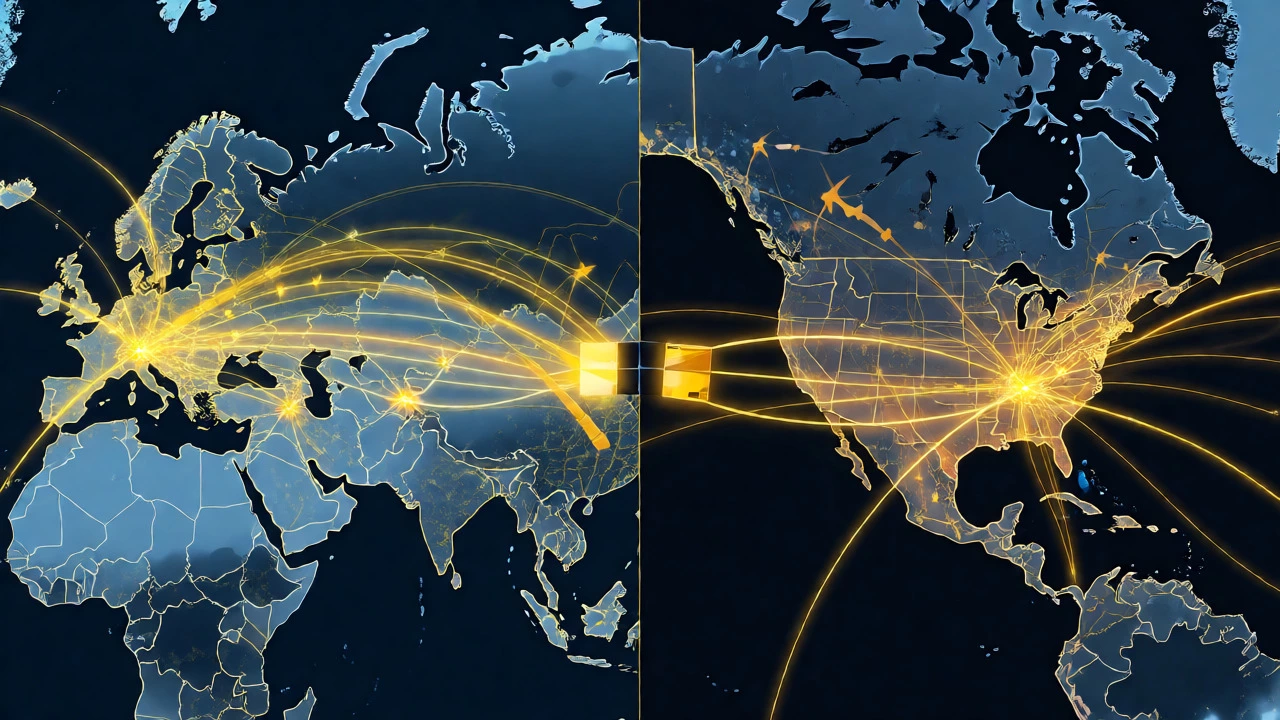
Generally speaking, DHL tends to be cheaper for shipments originating outside the United States, particularly if you are sending goods from Europe or Asia. Their network was built for cross-border movement. UPS, conversely, often offers better value for packages starting their journey within the US, especially if you can leverage their extensive ground transport before handing off to air freight.
Understanding the Pricing Models
Both carriers use complex algorithms, but they prioritize different variables. You need to understand what triggers the cost spike.
Dimensional Weight is a pricing technique used by carriers to charge based on the volume of a package rather than just its actual scale weight. Both DHL and UPS apply this, but their divisors differ slightly. For example, DHL might divide length × width × height by 5000, while UPS might use 139 (in inches/lbs) or similar metrics depending on the route. If you ship lightweight but bulky items-like pillows or lampshades-you will pay for the space they take up, not their weight. This is where many shippers get burned. Always measure your box correctly.
Fuel Surcharges are variable fees added to shipping costs to offset fluctuations in fuel prices. These change weekly. In September 2026, with oil markets stabilizing, these surcharges are hovering around 18-22% for both carriers. However, DHL sometimes bundles this differently than UPS. Check the current week's rate card; it can swing the total by $5-$10 on a small package.
Regional Strengths: Where Each Carrier Shines
Geography dictates price. Let’s break down the major trade lanes.
Shipping from the UK/Europe
If you live in Liverpool like I do, or anywhere in the EU, DHL Express is usually the go-to for speed and cost-efficiency when heading east (Asia/Africa) or across borders within Europe. Their consolidation centers in Leipzig and Brussels are incredibly efficient. UPS has improved its European presence, but they still rely heavily on partnerships or slower ground networks for intra-EU moves, which can make their express options pricier without offering faster speeds.
Shipping from the USA
UPS dominates the North American market. If you are shipping from New York to London, UPS can often offer competitive rates because they control the entire chain from pickup to the airport. They own the trucks, the planes, and the hubs. DHL often relies on third-party partners for the final mile in rural US areas, which can add complexity and cost. For US-originated shipments, always check UPS First Class or Worldwide Expedited against DHL Express Economy.
Shipping to Emerging Markets
When targeting countries in Southeast Asia, Latin America, or Africa, DHL frequently has the edge. They have been investing in these regions longer. Customs clearance in countries like Brazil or India can be a bottleneck. DHL’s local teams often navigate these bureaucratic hurdles faster, saving you money on demurrage (fees for cargo sitting in port too long). UPS is catching up, but DHL’s legacy in these zones often translates to smoother, cheaper deliveries.

The Hidden Costs That Kill Deals
A cheap base rate means nothing if you get hit with surprise fees. Here’s what to watch out for:
- Remote Area Surcharge: Does your recipient live in a village far from a city center? Both carriers charge extra. UPS’s list of remote areas is vast and updated quarterly. DHL’s is also strict. Check the zip/postal code before booking.
- Customs Brokerage Fees: When goods cross borders, someone must file the paperwork. If you don’t have your own broker, the carrier does it for you-and charges for it. DHL’s brokerage fees can be higher than UPS’s, especially for commercial invoices over $800. Read the fine print on who pays duties.
- Address Correction Fee: Did you misspell the street name? The carrier fixes it. The fee? Usually $15-$20. UPS is notoriously strict about automated address validation. Double-check every character.
- Peak Season Surcharges: From November to January, both carriers raise prices. DHL’s peak surcharges often start earlier and last longer. If you can ship in October, you’ll save significantly compared to December.
Speed vs. Cost: Finding the Sweet Spot
Do you really need next-day delivery? Probably not. Most international e-commerce customers wait 3-5 days happily.
DHL Express Economy is a cost-effective service tier that offers slightly longer transit times than standard Express but at a reduced rate. It’s often the best value for time-sensitive but not critical shipments. UPS’s equivalent is Worldwide Expedited, which provides reliable 3-5 day delivery at a lower cost than Priority Express.
Compare these tiers carefully. Sometimes, paying $5 more for UPS Worldwide Expedited gets you a guaranteed date, whereas DHL Economy might vary by a day. For B2B clients, reliability beats the lowest price. For B2C consumers, the lowest price wins, provided the tracking works.
How to Get the Best Rates
Retail rates are for suckers. If you ship more than once a month, you need a discount structure.
- Use Third-Party Platforms: Services like Shippo, Pirate Ship, or EasyPost aggregate volume from thousands of small businesses. They negotiate bulk discounts with DHL and UPS that you can’t get alone. You might save 30-40% off retail.
- Negotiate Directly: If you ship 50+ parcels monthly, call the sales rep. Don’t accept the first offer. Tell them you’re comparing quotes. They often have discretion to waive certain fees or offer tiered discounts.
- Optimize Packaging: Use the smallest box possible. Cut down waste. Since dimensional weight rules apply, a smaller box equals a lower bill. Buy standardized boxes that fit your products perfectly.
- Consolidate Shipments: Instead of sending three small boxes, send one larger one. The per-kilo rate drops as weight increases. Just watch out for the maximum weight limits (usually 70kg for standard express).
Verdict: Who Should You Choose?
There is no single winner. It’s a dynamic choice.
Choose DHL if:
- You are shipping from Europe or Asia.
- Your destination is in an emerging market or requires strong customs support.
- You need fast, reliable returns processing.
- You prefer a user-friendly digital interface for managing international documentation.
Choose UPS if:
- You are shipping from the United States.
- Your package is destined for a major city in North America or Europe.
- You want robust insurance options and clear liability terms.
- You already have a strong relationship with UPS for domestic shipping and want to consolidate vendors.
My advice? Test both. Send five identical packages via each carrier to different destinations. Track the actual delivery times, the condition of the goods, and the final invoice including all surcharges. Real-world data beats any blog post, including this one.
Is DHL cheaper than UPS for international shipping?
It depends on the origin and destination. Generally, DHL is cheaper for shipments originating in Europe or Asia, while UPS often offers better rates for shipments starting in the US. Regional strength plays a huge role in pricing.
Which is better for customs clearance, DHL or UPS?
DHL is widely regarded as having stronger customs expertise, particularly in Asia and Europe. Their local teams are often more experienced in navigating complex import regulations, which can prevent delays and additional storage fees.
Do DHL and UPS charge for dimensional weight?
Yes, both carriers use dimensional weight pricing. This means you are charged based on the volume of the package if it takes up more space than its actual weight would suggest. Always pack tightly to avoid unnecessary costs.
Can I get discounts without a business account?
Yes. Third-party shipping platforms like Shippo or Pirate Ship allow individuals to access discounted commercial rates from both DHL and UPS without needing a direct corporate contract.
What are peak season surcharges?
These are temporary fees added during high-volume periods, typically November through January. Both carriers implement them to manage capacity. Planning shipments for October can help you avoid these extra costs.